A downpour can flood a street in Nashville without any river or creek rising at all. Storm drains, curb inlets, and the pipes underneath them can only carry so much water per minute. When rain falls faster than that, the extra has nowhere to go but sideways, across yards, over curbs, and toward the lowest point on the block, which is often a driveway or a garage floor.
How Storm Drains Get Overwhelmed
Storm drains are sized for a typical hard rain, not the heaviest one a season can produce. Once a pipe reaches its limit, water backs up at the inlet and spreads across the pavement instead of going underground. On a flat block in a neighborhood like Sylvan Park or Inglewood, that backed-up water can sit for an hour or more before the system catches up.
Clay Soil Sheds Water Fast
Storm drains along streets in Sylvan Park or Inglewood are sized for an average rain, not a downpour that drops an inch in twenty minutes. Once every inlet on the block is swallowing water at its limit, the extra has nowhere to go except across the pavement and toward the lowest yard nearby. That is street flooding: a capacity problem, not a broken pipe.
When A Creek Rises Fast
Nashville sits on clay-heavy ground, and clay does not soak up water the way sandy soil does. During a hard rain the top few inches swell and seal shut, so most of the water runs off the surface instead of draining down. A yard in Berry Hill or Woodbine can look fine most of the year and still shed a downpour straight toward the street or a neighbor's foundation.
Older Streets Built Before Code
Parts of Nashville, including sections of Germantown and North Nashville, were built long before modern stormwater rules existed. Street grading and drainage in those areas reflect decisions made decades ago, not current standards. That does not make a street unsafe, but it does mean water can behave differently there than it does on a newer block built to today's requirements.
Flat Blocks Hold Water Longer
Water always looks for the lowest point, and on a flat street that point can be a driveway apron, a low curb cut, or a dip near a stop sign. Once water reaches that low point, it has nowhere left to drain until the volume drops. Areas like Metrocenter, which sit lower near the river, can hold standing water noticeably longer than a sloped street nearby.
Why A Home Can Flood Anyway
A home does not have to sit inside a mapped floodplain to take on water during a hard storm. Street flooding can push water toward a foundation, a window well, or a garage door long before any nearby creek or river is even close to its banks. Metro's own stormwater department has said plainly that any property in the city can flood, mapped or not.
What A Homeowner Can Change
A homeowner has real control over grading right around the house, gutter and downspout placement, and where a driveway sheds water. A sump pump can move water out of a crawl space or basement once it gets in. A French drain can redirect water before it reaches a foundation. None of this stops a street from flooding, but it changes what happens once that water reaches a specific house.
What A Homeowner Cannot Change
No homeowner can resize the storm drain under their street or change how fast clay soil sheds water on the whole block. Those are decisions tied to infrastructure and geography, not anything one household controls. A homeowner in Belmont-Hillsboro or Berry Hill can improve their own lot, but the street itself will flood the same way in the next hard storm.
Signs Water Came From Outside
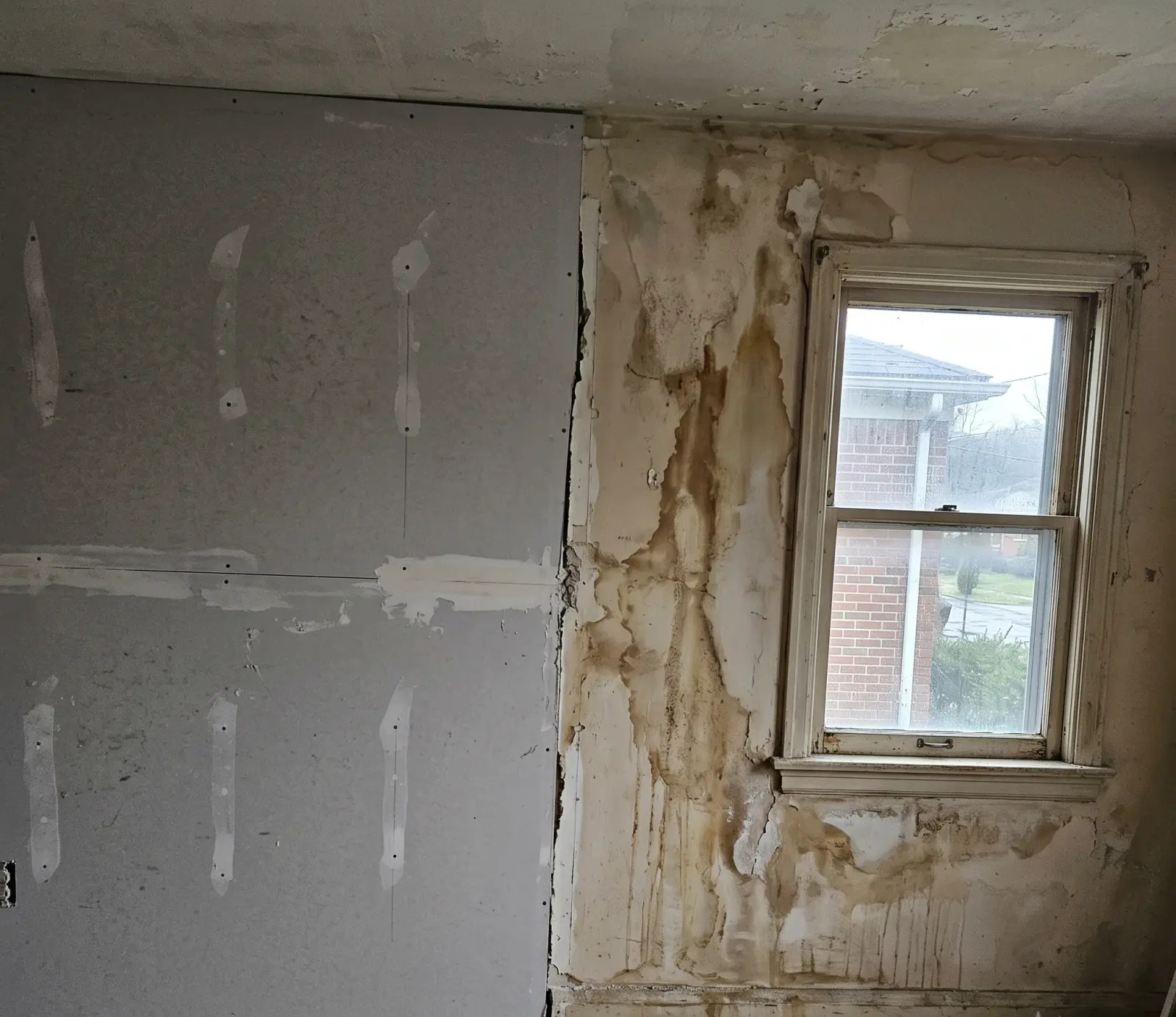
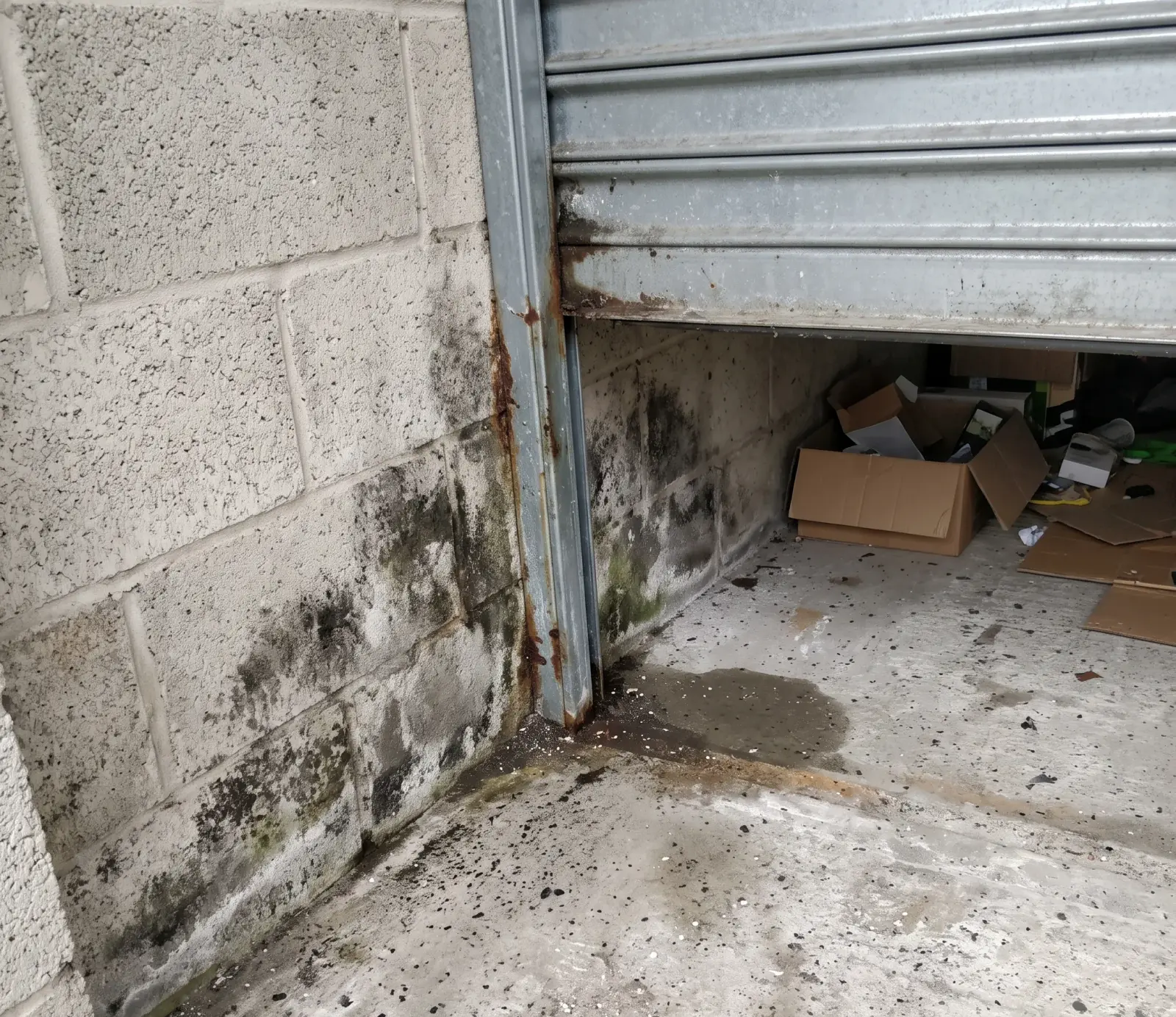
Water that arrived from the street usually shows up first at the lowest entry point: a garage door, a walkout basement door, or a window well. It often carries grit, mulch, or grass from the yard with it. That is different from a pipe break inside the house, which tends to show up as a clean, contained puddle near a fixture rather than a wide, gritty line across a floor.
Why Timing Matters After Rain
Standing water left on a floor or soaked into a crawl space does more damage the longer it sits, especially during a humid Middle Tennessee summer when materials dry slowly on their own. Wood swells, drywall wicks water upward, and moisture works into places that are hard to see. How fast someone responds after water gets inside often matters more than how the water got there.
Getting A Second Opinion
A homeowner can watch how water moves across their own lot, keep gutters and downspouts clear, and grade soil so runoff points away from the house rather than toward it. What nobody on a single lot can fix is a drain built decades ago for a smaller Nashville, or a creek near Mill Creek that rises fast after rain falls miles upstream.
Dealing with this in your home?
Water shows up in Nashville homes for reasons that trace back to the ground itself. Clay soil under neighborhoods like Sylvan Park and Inglewood swells and cracks with the weather, opening paths for water into crawl spaces. Add flash flooding near Mill Creek and the Cumberland River, and a slab, crawl space or basement all fail differently. This page walks through why, and what a homeowner does next.