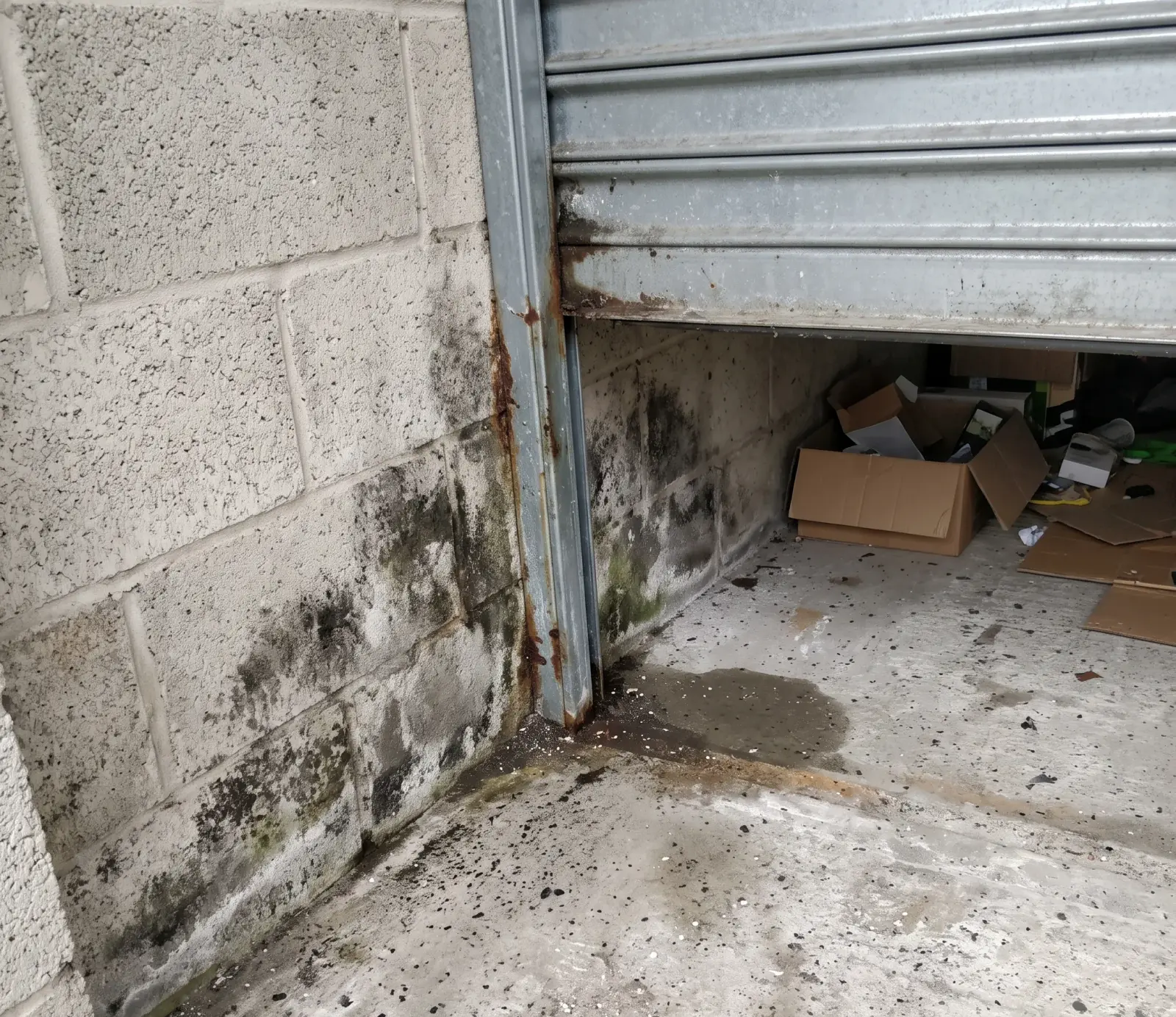
Mold
Is Black Mold Dangerous? A Nashville Answer
Is black mold as dangerous as the internet says? Here's what's confirmed about Stachybotrys, mycotoxins, and health effects, and what's just myth.
Read article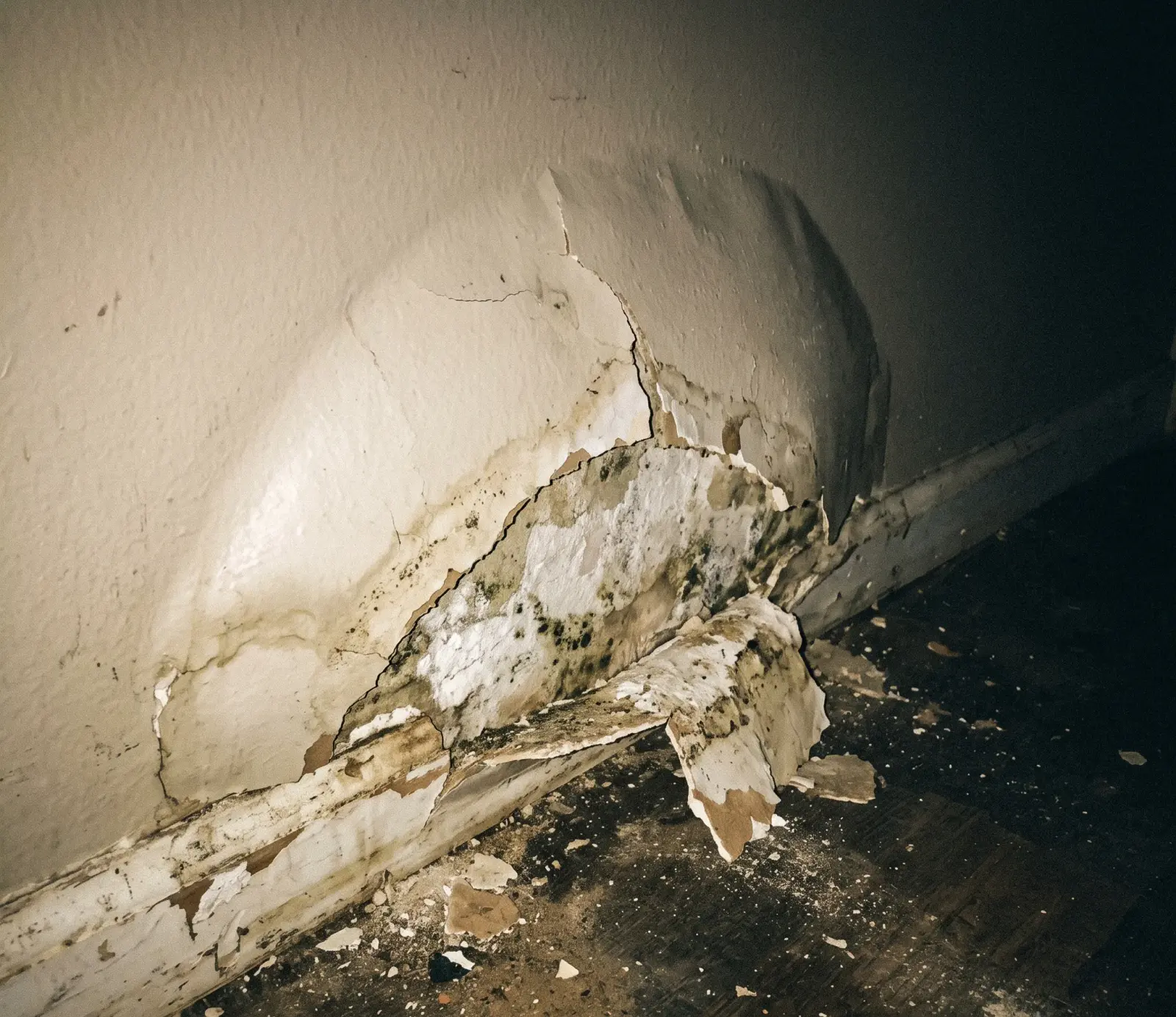
Containment and HEPA removal for active mold, done to stop it from coming back.
A remediation pro starts by containing the room with sheeting before anything gets touched, because cutting into moldy drywall without sealing the space first is how spores travel through a Germantown duplex or an Inglewood ranch's return-air ducts. Negative air and an air scrubber run for the duration of the job. Price and timeline hinge on how much material is porous and non-salvageable versus what surface cleaning and antimicrobial treatment can save, and on how far the growth has already spread through the framing.
Mold Remediation in Nashville, TN is not one job with one price, whether you're in Glencliff, Hillsboro Village, Donelson, or elsewhere around Nashville, and the work is matched to the building and to the way water actually moves through it here. That is what separates a lasting repair from a temporary one.
Houses and businesses both get this treatment, but the scheduling differs. Compare residential water damage restoration with commercial water damage restoration and pick whichever fits the property.
A humid Middle Tennessee summer pushes colonization along baseboards, closet corners, and anywhere air barely moves, often weeks before anyone in the house notices a smell. By the time a stain shows on drywall, the growth is usually established on the back side too, which is why we check what a homeowner in East Nashville or Inglewood cannot see from the room.
Speckled dark patches around baseboards, window trim, or bathroom ceilings point to spores that found a damp surface and stayed. Older homes near Lockeland Springs and Sylvan Park, with plaster and lath under later drywall, often hide colonization in wall cavities long after the surface looks fine.
Mold on furniture or carpet in a Sylvan Park or Donelson home is not automatically a loss. We test whether the material can be cleaned and kept or whether it counts as non-salvageable, since some porous material holds spores too deep to fully clear with surface cleaning alone.
The affected area is sealed off with containment barriers and negative air before any material is disturbed, keeping spores out of the rest of the home.
Non-salvageable materials, drywall, insulation, and flooring holding active growth are removed and bagged inside containment, not carried through clean rooms.
Remaining surfaces get cleaned and treated with an antimicrobial or biocide to address residual spores on framing and salvageable materials.
Air scrubbers run through the space to pull remaining spores from the air while humidity is brought down to stop any regrowth.
Many houses around Inglewood and Woodbine were framed before anyone accounted for how much moisture Middle Tennessee clay traps against a foundation. Porous materials like drywall and carpet pad in those older builds hold water long past the point where mold takes hold, so containment has to happen before demolition starts, not after.
Tennessee doesn't issue a standalone mold remediation license. Paid mold work falls under general contractor rules set by the state board, with a home improvement license required once a job in Davidson County reaches a few thousand dollars, and a full contractor license at higher amounts. The licensed pros we connect you with carry what the job size requires.
Before any surface cleaning starts, the affected area gets sealed off with plastic sheeting and negative air pressure so spores don't spread into rooms near Belmont-Hillsboro or Germantown that were never touched by the original leak. HEPA filtration runs the whole time work is underway.
Older homes near Germantown or Lockeland Springs often hide plaster walls, tight crawl spaces, or wiring that changes the drying plan. Newer builds out toward Antioch tend to dry faster and cost less. Either way, the price should match what your house actually needs, not a guess made before anyone walks in.
| Room | Risk Level | Typical Timeline |
|---|---|---|
| A one-room job, like a bathroom leak in a Sylvan Park bungalow, might only need extraction and a few days of drying. Smaller jobs move faster because there's less material to dry and less to rebuild. | Water moving through a Nashville home rarely stays where it started. It travels under baseboards in Inglewood bungalows, soaks crawl spaces near Mill Creek, and sits in clay-heavy yards long after a hard rain stops. The licensed pros we connect you with check further than the visible puddle before calling a job finished. | an estimated $510–$4725 |
| A whole-floor loss, like flooding through a Belle Meade basement after heavy rain near the Cumberland River, involves more rooms, more drying equipment, and a longer timeline before rebuild can start. | A pipe splitting open near Belle Meade or a slow seep under a Sylvan Park crawl space both turn into the same problem fast: water sitting in a home built on clay soil that will not let it drain. The licensed pros we connect you with pull moisture before it reaches the framing near the Cumberland River floodplain. | an estimated $600–$6750 |
| A crawl space soak under an older East Nashville home can sit unnoticed until someone smells it. These jobs often need extra drying time since crawl spaces trap humidity worse than open rooms. | Water shows up fast in Nashville homes — a supply line splitting near Sylvan Park, a crawl space seep after weeks of rain, an overflow that finds the stairwell before anyone notices. Clay soil under Davidson County keeps foundations moving, so the leak that starts small rarely stays that way. The licensed pros we connect you with get pumps and dryers running the same day you call. | an estimated $900–$10800 |
| A multi-unit or rental property, common in denser pockets like Wedgewood-Houston, adds coordination with more than one household. Under Tennessee's landlord-tenant law, habitability repairs usually fall on the property owner. | A hard freeze can split a pipe near Belmont-Hillsboro overnight, and Mill Creek climbs fast after a heavy rain in Wedgewood-Houston. Clay soil around Nashville shifts and lets water into crawl spaces nobody checks weekly. The licensed pros we connect you with pull out the water before it settles into your floors. | an estimated $1440–$18000 |
A cost quote means nothing if the crew never shows up in Germantown or East Nashville. Ask how fast someone actually arrives after a pipe bursts in a hard freeze. The licensed pros we connect you with answer that question directly, before price ever comes up.
Growth can begin on a wet surface within one to two days if it isn't dried out. That's the window that matters most after a pipe break or flash flooding near Mill Creek, before drywall or carpet pad even shows a stain.
Yes. Containment with plastic sheeting and negative air keeps loose spores from spreading into hallways or bedrooms while the affected material is removed, which matters most in tighter older homes around Edgehill.
Surface cleaning on tile or glass can work, but scrubbing mold on drywall or wood without containment can loosen spores into the air and spread them through the house rather than removing the colony.
Metro's own guidance treats removal and demolition as clean-up work, not a permitted phase; a permit applies later if drywall, electrical, or plumbing gets rebuilt. Contractor licensing rules still apply based on job size.
Drywall, insulation, or carpet pad with active colonization is treated as non-salvageable and removed rather than cleaned in place, since porous materials hold spores too deep to fully treat.
Not if the moisture source that fed it gets fixed first. Remediation without repairing the leak or grading issue behind it, common on older lots near Bordeaux, just delays the same growth returning.
No. The licensed pros we connect you with never guess at a schedule. After the crawl space or floor is dry, they check moisture readings before closing anything back up. Rushing that step in humid Middle Tennessee summers is how a Sylvan Park or Inglewood home ends up with a mold problem six weeks after the water is gone.
Clay soil under Nashville shifts with every wet season, opening small cracks that let water into foundations near the Cumberland River and beyond. Humid Middle Tennessee summers push mold fast once materials stay wet, so the licensed pros we connect you with move on drying before it spreads.
Is black mold as dangerous as the internet says? Here's what's confirmed about Stachybotrys, mycotoxins, and health effects, and what's just myth.
Read article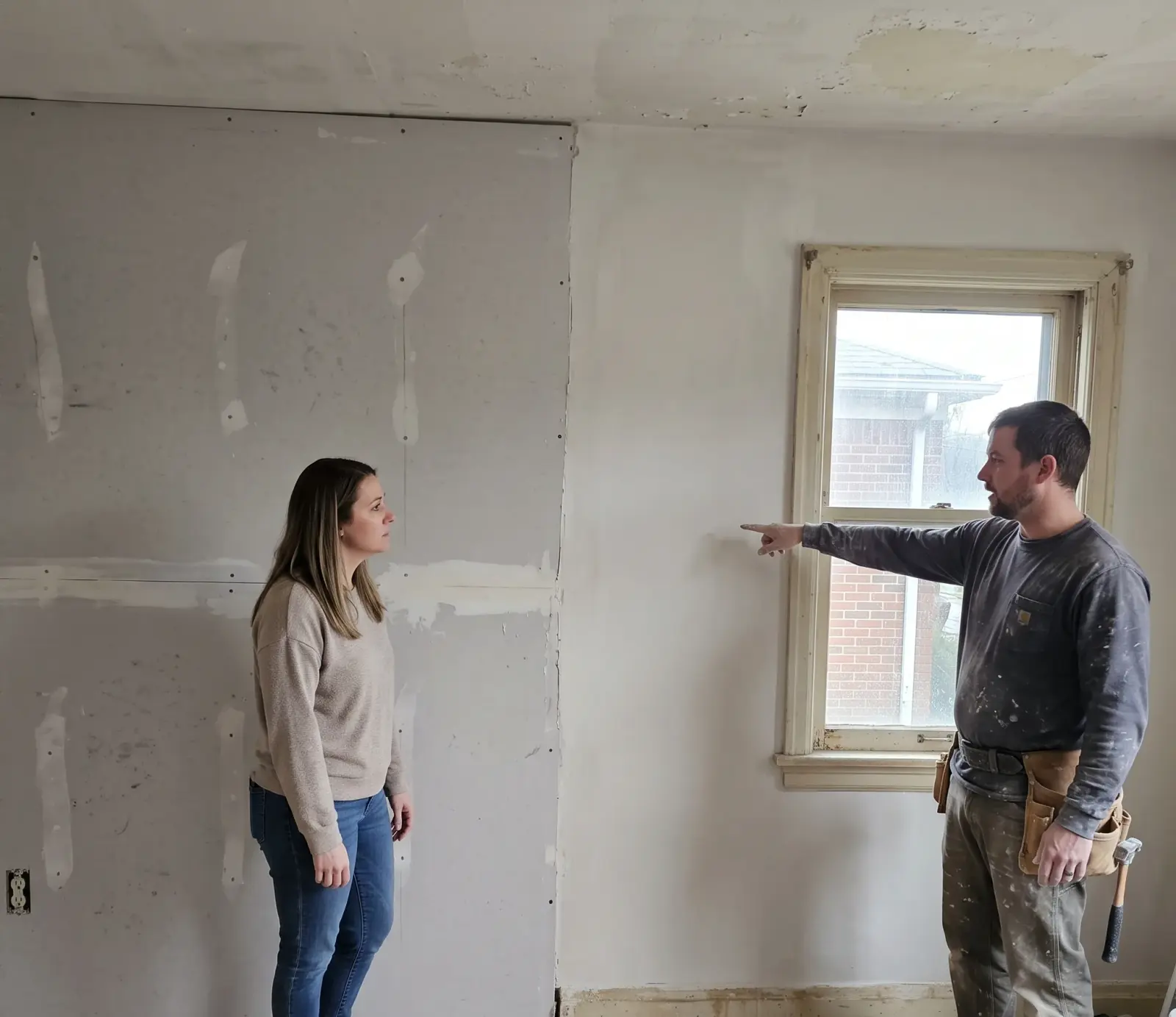
Why Nashville homes get a musty smell, and how to tell ordinary humidity from a moisture source feeding hidden mold behind a wall or under carpet.
Read articleThis kind of job rarely looks the same twice, even on the same street in Inglewood. A slow leak behind drywall dries differently than standing water from a flash flood after a hard rain. Photos help, but a look in person tells the licensed pros we connect you with more than a phone description ever will. Reach out with what you are seeing and roughly how long it has been wet, and go from there.
Call (615) 821-1762