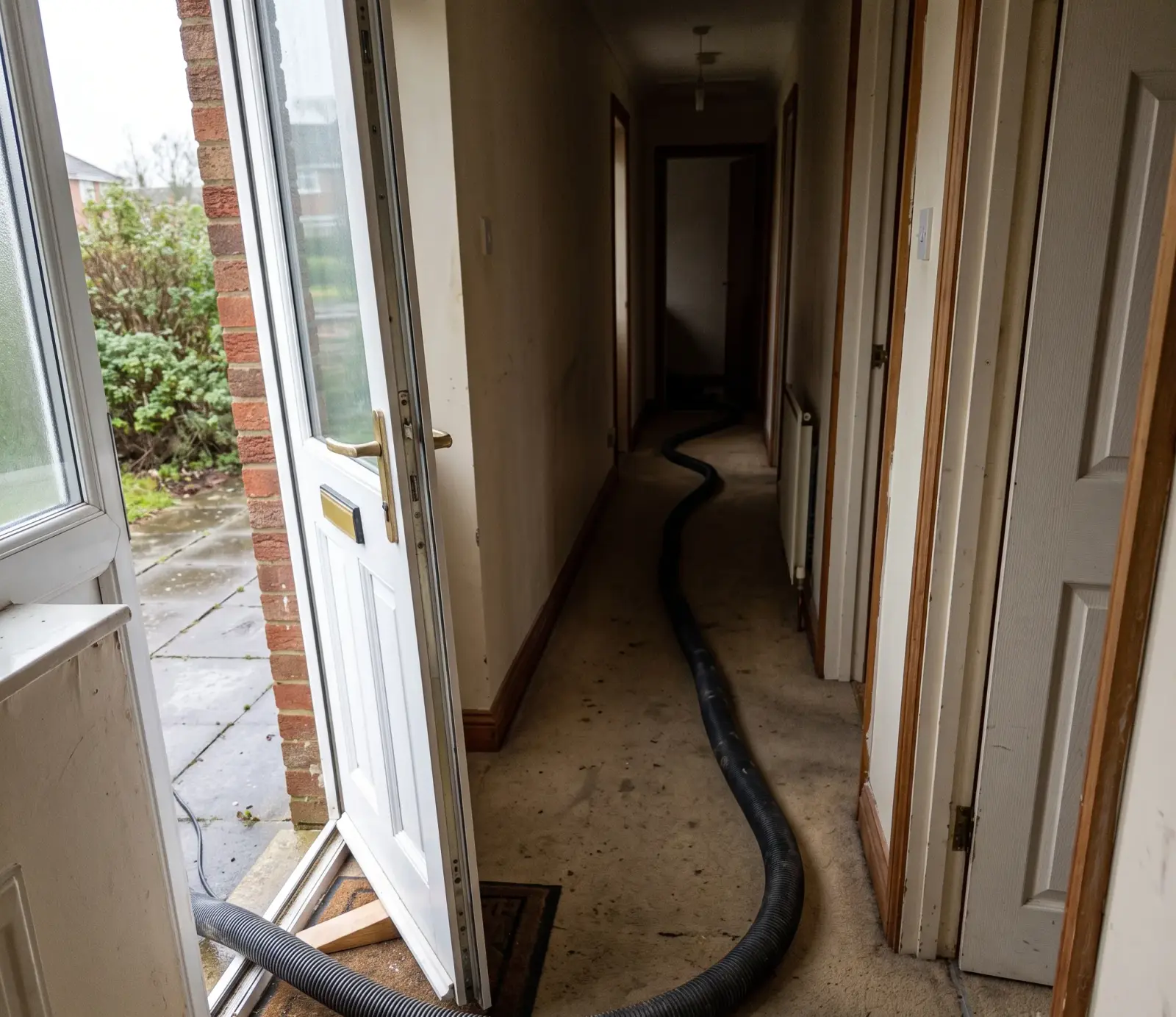
Emergency Water Extraction
Truck-mounted extraction to pull standing water fast, day or night
Learn about Emergency Water ExtractionMidtown's older crawl-space apartments and newer slab-on-grade towers face water intrusion from opposite directions, so no single fix works for the whole neighborhood.
Midtown sits between downtown and Vanderbilt University, and the mix of buildings tells you how the water problem plays out. Older low-rise apartments here often rest on crawl spaces, low-lying and close to grade, where a heavy rain finds every gap. Newer high-rise condo and office towers nearby are slab-on-grade, so instead of a wet crawl space you get water tracking under flooring and into drywall from the ground up. Neither foundation type is protected just because it's Midtown. Whether a building went up in the mid-20th century or last year, a hard rain that overwhelms the drainage around it doesn't check the construction date first. The licensed pros we connect you with work both foundation types and get there fast, day or night, once you call.
Clay soil, older crawl spaces, and Cumberland River backup near Mill Creek all push water into Nashville homes after hard rain.
The building stock in Midtown runs to mid-20th-century low-rise apartments alongside newer high-rise condo and office towers. That matters because older roofing and original flashing give water more paths in, and because decades-old plumbing holds the risk of a slab leak or a burst supply line before anyone notices the damage.
Properties sitting near Cumberland River and Browns Creek hold groundwater far longer through the wet season. Persistent humidity around a foundation or exterior wall is the single strongest predictor of mold growth and moisture-related damage, so a meter reading comes before any recommendation.
Nashville's humid summers speed up mold growth once water sits, and cold snaps bring frozen and burst pipes. Midtown's older crawl-space buildings and newer slab towers each hold moisture differently, so drying time and method depend on which one you're in. Winter thaw after a freeze is when a lot of Nashville homeowners find the damage. Pipes that cracked in the cold snap finally leak once the ice inside melts, and the water has usually been moving for hours by then.
Midtown has Vanderbilt University nearby, which means multi-unit and commercial buildings as well as houses. Those jobs live or die on discretion and documentation — service outside trading hours, and a written record of every visit.
A slow leak found early costs less to fix than water that sat for days under a floor.
| Service | Estimated cost |
|---|---|
| Emergency Water Extraction | an estimated $450–$1600 |
| Structural Drying | an estimated $1200–$4500 |
| Mold Remediation | an estimated $599–$4500 |
| Mold Inspection & Testing | an estimated $299–$899 |
Vanderbilt University anchors Midtown's northern edge, surrounded by the same mix of older apartments and newer towers.
West End Avenue runs through Midtown, lined with the high-rise condo and office construction built on slab foundations.
Music Row sits just south, part of the same stretch where crawl-space apartments and newer slab buildings sit side by side.
Truck-mounted extraction to pull standing water fast, day or night
Learn about Emergency Water Extraction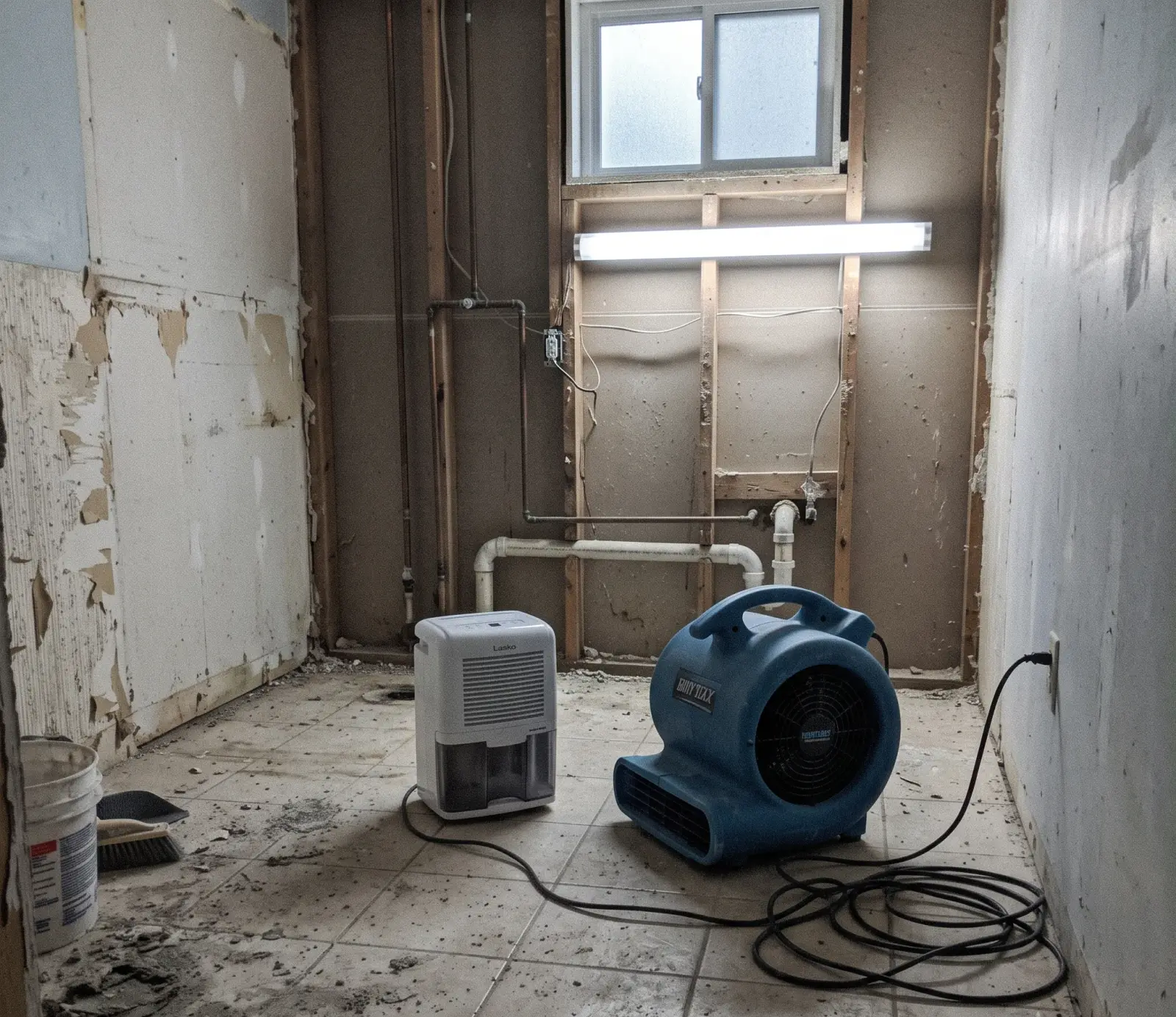
Monitored drying for Nashville homes, tracked daily until framing and drywall test dry.
Learn about Structural Drying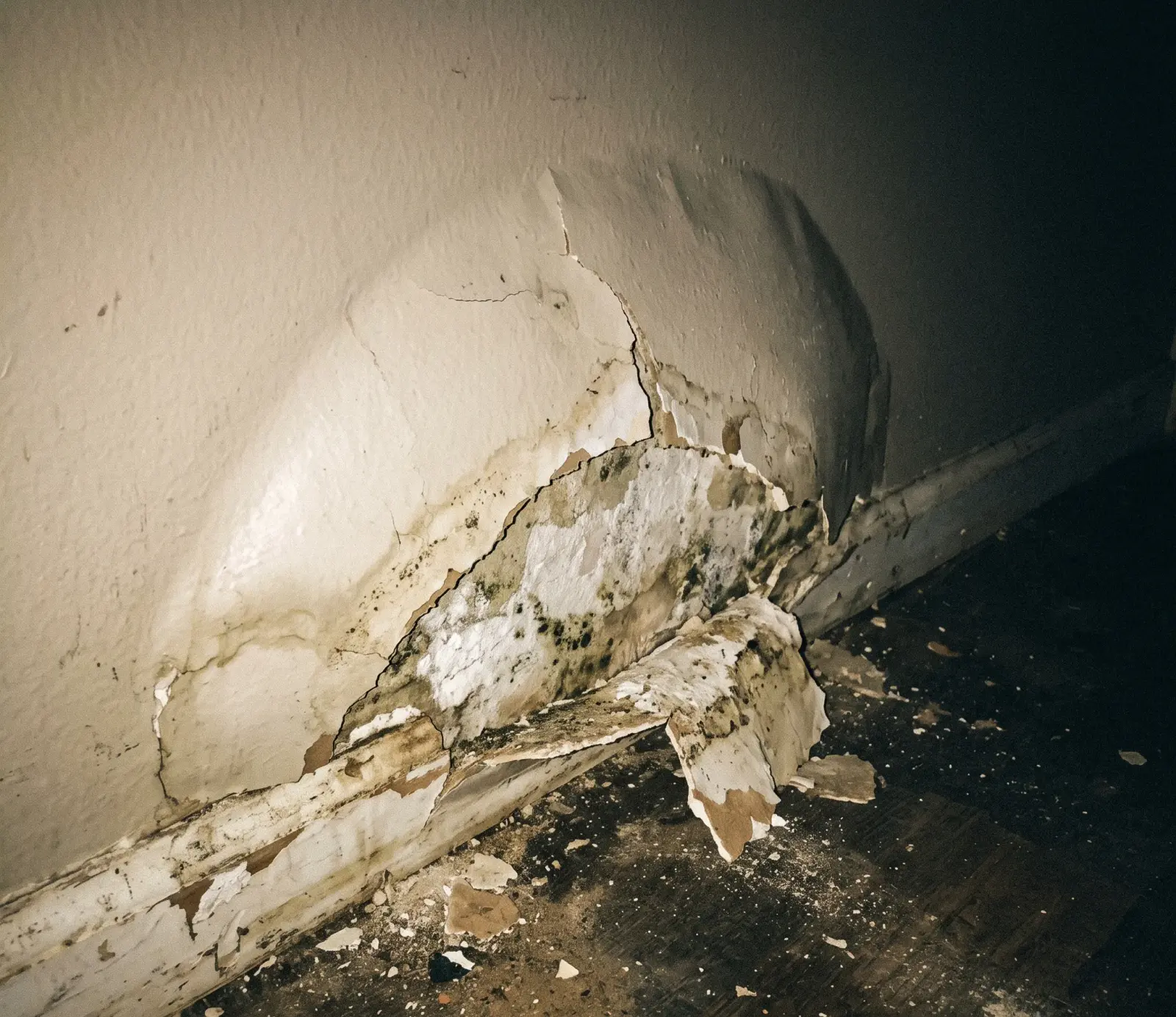
Containment and HEPA removal for active mold, done to stop it from coming back.
Learn about Mold Remediation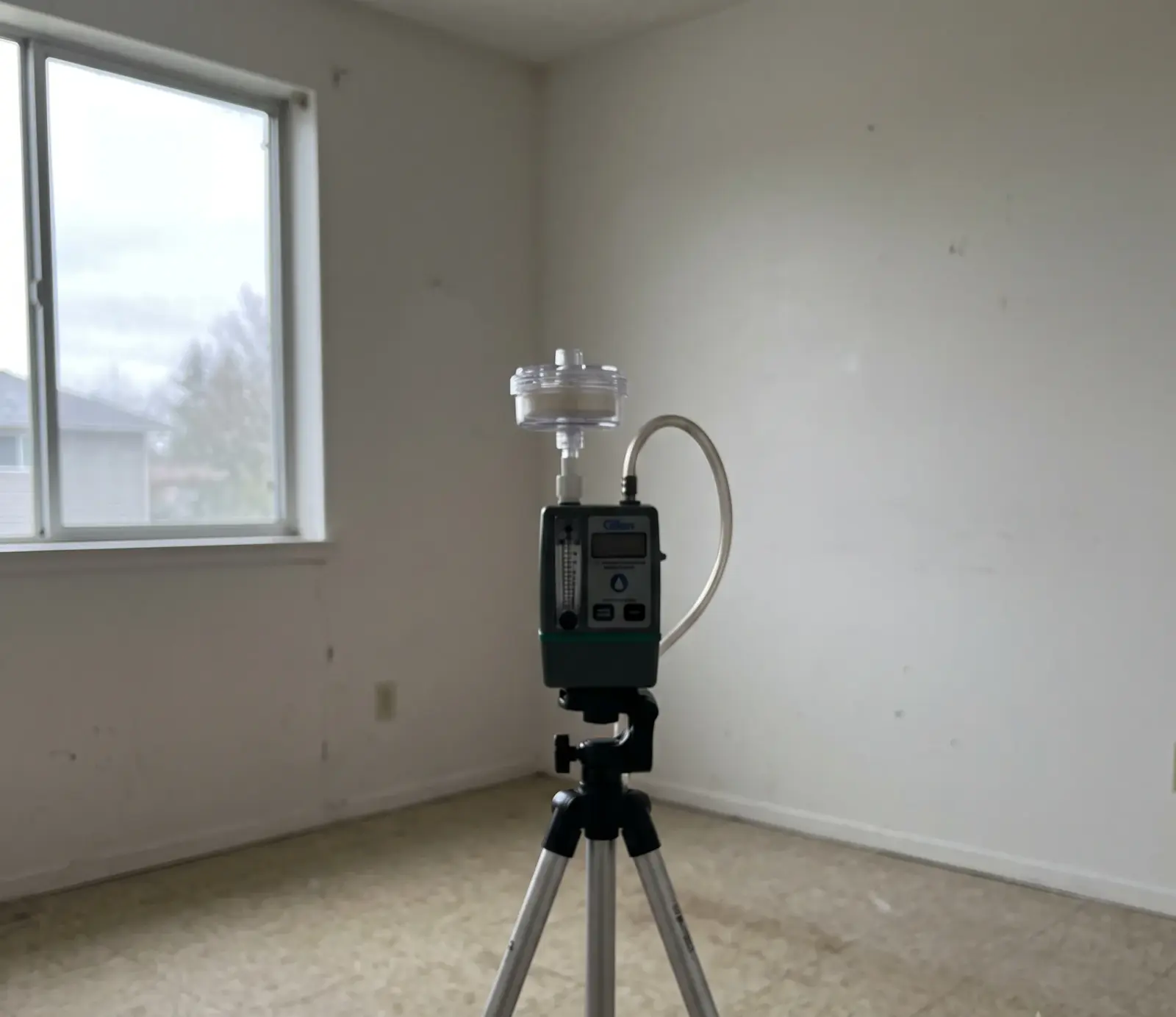
Moisture mapping and lab-tested air sampling before you decide on remediation.
Learn about Mold Inspection & TestingYes. Midtown sits between downtown and Vanderbilt University, and the licensed pros we connect you with cover it. Older low-rise apartment buildings here often sit on crawl spaces, while the newer high-rise condo and office towers are slab construction, so response depends on which type of building you're in.
It varies by building age. Midtown's mid-20th-century low-rise apartments with crawl spaces trap moisture differently than the newer slab-built high-rises. A crawl space leak can sit unnoticed under a building near Vanderbilt University for days, while a slab leak in a newer tower usually shows itself faster through flooring or drywall.
Heavy rain overwhelming drainage around the building is the most common cause here, affecting both the older crawl-space apartments and newer slab towers.
It can. Standing water speeds mold growth fast in Middle Tennessee's humidity, especially in an enclosed crawl space that doesn't dry out on its own.
Yes. Midtown mixes older buildings on crawl spaces with newer high-rise towers on slab foundations, and both can take on water during a hard Nashville rain or a burst pipe in a cold snap. The licensed pros we connect you with cover Midtown along with the rest of Metro Nashville-Davidson County.
A slow leak in a crawl space and a burst pipe during a hard freeze both start small. What decides the final bill is how fast someone gets equipment in and moisture pulled out, not which one looked worse the day it happened. Waiting a day usually costs more than the water did.
Every part of Nashville has its own relationship with water, shaped by how close it sits to the Cumberland River, how old the houses are, and what the clay soil underneath has done to the foundations over the years. That is true whether you are near Belle Meade or out toward Donelson. The licensed pros we connect you with take that into account before they touch anything. Call Now and let them know where you are so the response actually fits your street.
Call (615) 821-1762