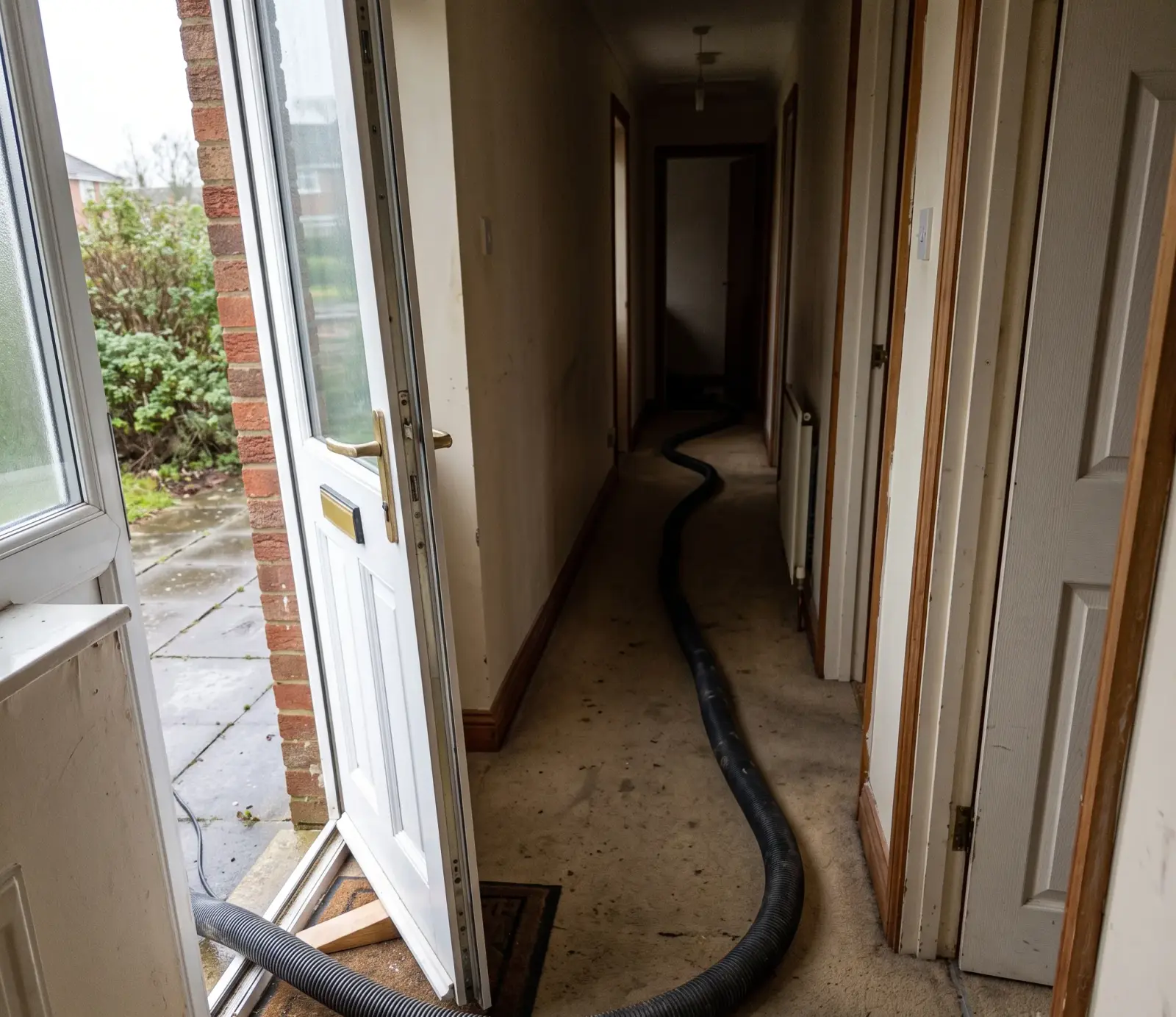
Emergency Water Extraction
Truck-mounted extraction to pull standing water fast, day or night
Learn about Emergency Water ExtractionEast Nashville's historic core sits on crawl spaces and pier foundations built from the late 1800s through the 1920s, not basements. That older housing stock near Shelby Park and the Cumberland River means aging drainage and low clearance under the floor, both easy paths for water to get in after a hard rain.
East Nashville sits across the Cumberland River from downtown, and that river shapes how water moves through the neighborhood. Lockeland Springs and the older streets nearby were built mostly from the late 1800s through the 1920s, with bungalows and cottages set on crawl spaces or pier foundations rather than basements. That construction style leaves a gap under the house where runoff and rising groundwater can sit after a hard rain. Nashville's stormwater department has been clear that flooding isn't limited to the mapped flood zone here — local streams and low-lying pockets near the river can back up even outside it. Combined with the clay soil under most of Davidson County, that makes crawl space moisture and slow leaks a routine call for East Nashville homeowners, not just a once-a-decade event.
How crawl spaces near Mill Creek and clay-soil basements across Nashville end up wet, and what drying them out actually takes.
You are mostly looking at bungalows and cottages mostly built late 1800s through the 1920s on crawl spaces or piers across East Nashville. Aging plumbing and older roofing are common on these builds, and that is a direct invitation to slab leaks and, after the right storm, roof leaks.
Cumberland River raises the local humidity noticeably at ground level around the house. Stored belongings, wood trim, and damp insulation all become vulnerable in those conditions, and protecting them is often half the job.
Middle Tennessee's humid summers and hard winter freezes both stress East Nashville's older homes. Crawl spaces hold moisture longer in the humidity, while a hard freeze puts exposed pipes in older construction at real risk of bursting each winter. A hard freeze can split a supply line overnight and nobody notices until the ceiling below sags. Clay soil swells after heavy rain and pushes water toward older foundations from the outside in. Call before the stain spreads past one room.
With East Nashville shops and studios in the area, a good share of the East Nashville work is commercial. Food prep areas, shared walls, and loading docks need scheduled visits, low-odor products, and paperwork that stands up to an inspection.
A crawl space leak and a river backup price out differently once you weigh water volume, drying time and materials.
| Service | Estimated cost |
|---|---|
| Emergency Water Extraction | an estimated $450–$1600 |
| Structural Drying | an estimated $1200–$4500 |
| Mold Remediation | an estimated $599–$4500 |
| Mold Inspection & Testing | an estimated $299–$899 |
Shelby Park and the adjoining Shelby Bottoms sit along the Cumberland River, giving a sense of how close East Nashville's low ground sits to the water.
Cumberland Park sits along the riverfront across from downtown, marking the same waterway that runs the length of East Nashville's western edge.
Historic Edgefield's older homes sit just blocks from Lockeland Springs, sharing the same crawl-space-era construction common across East Nashville.
Truck-mounted extraction to pull standing water fast, day or night
Learn about Emergency Water Extraction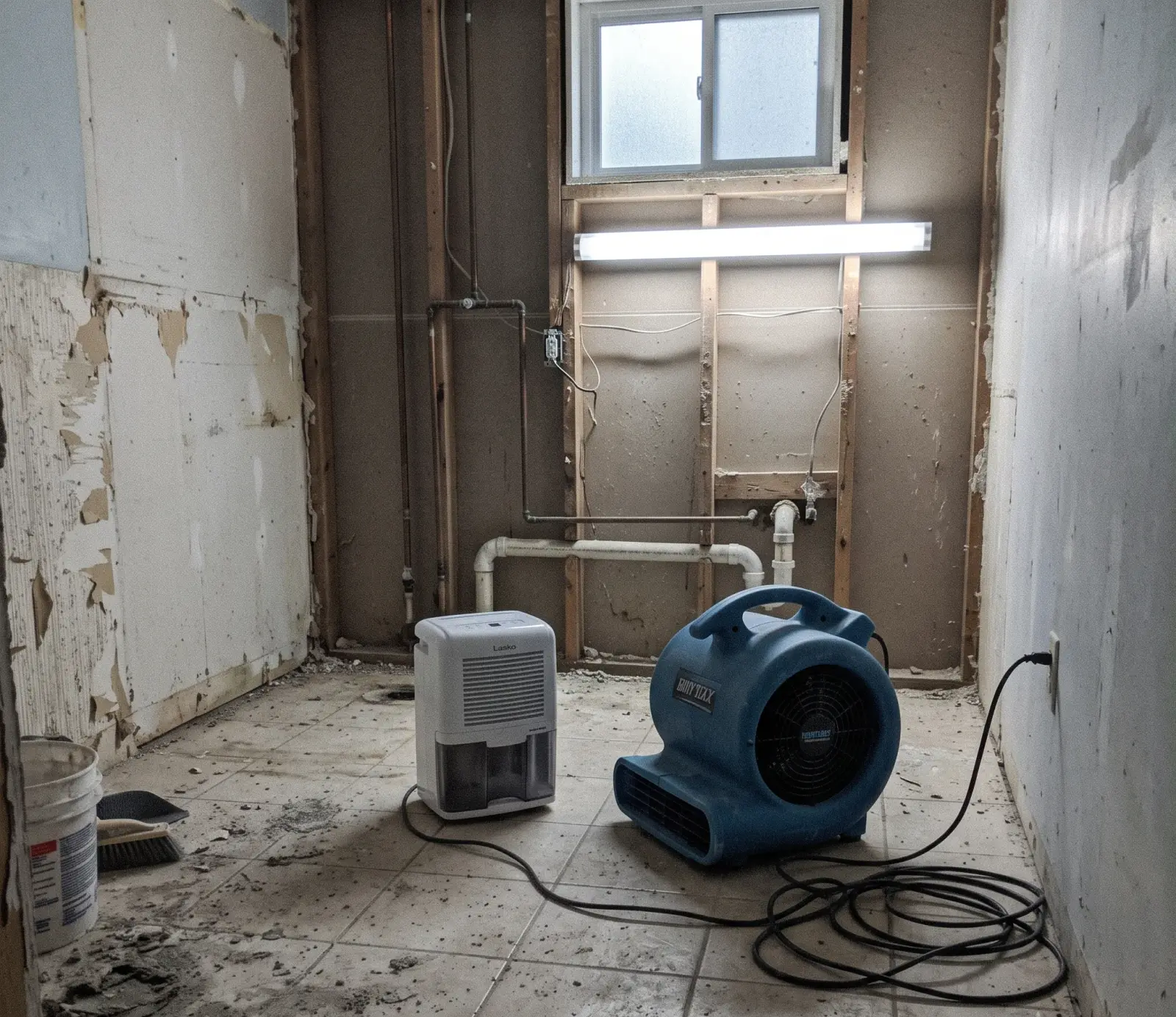
Monitored drying for Nashville homes, tracked daily until framing and drywall test dry.
Learn about Structural Drying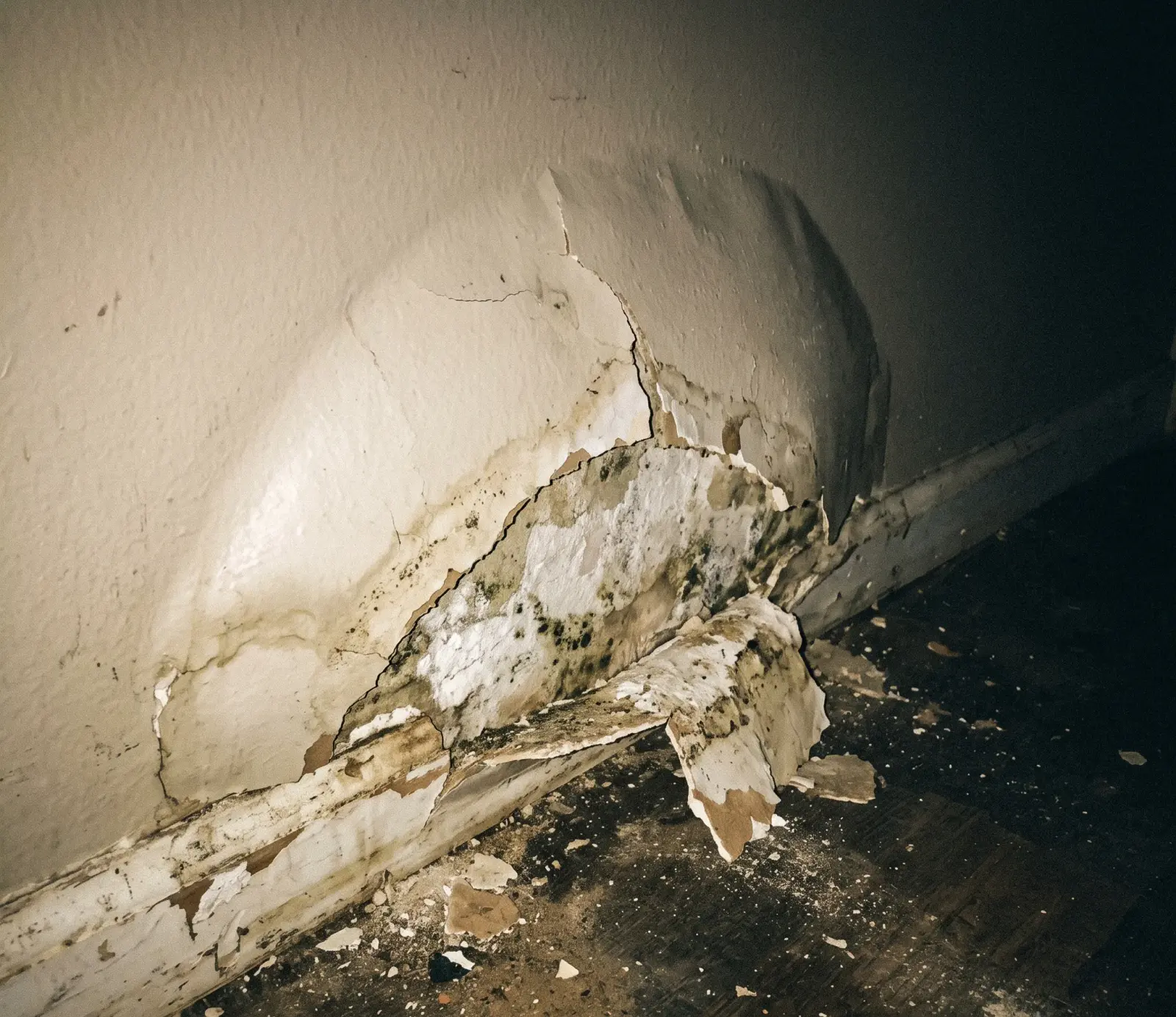
Containment and HEPA removal for active mold, done to stop it from coming back.
Learn about Mold Remediation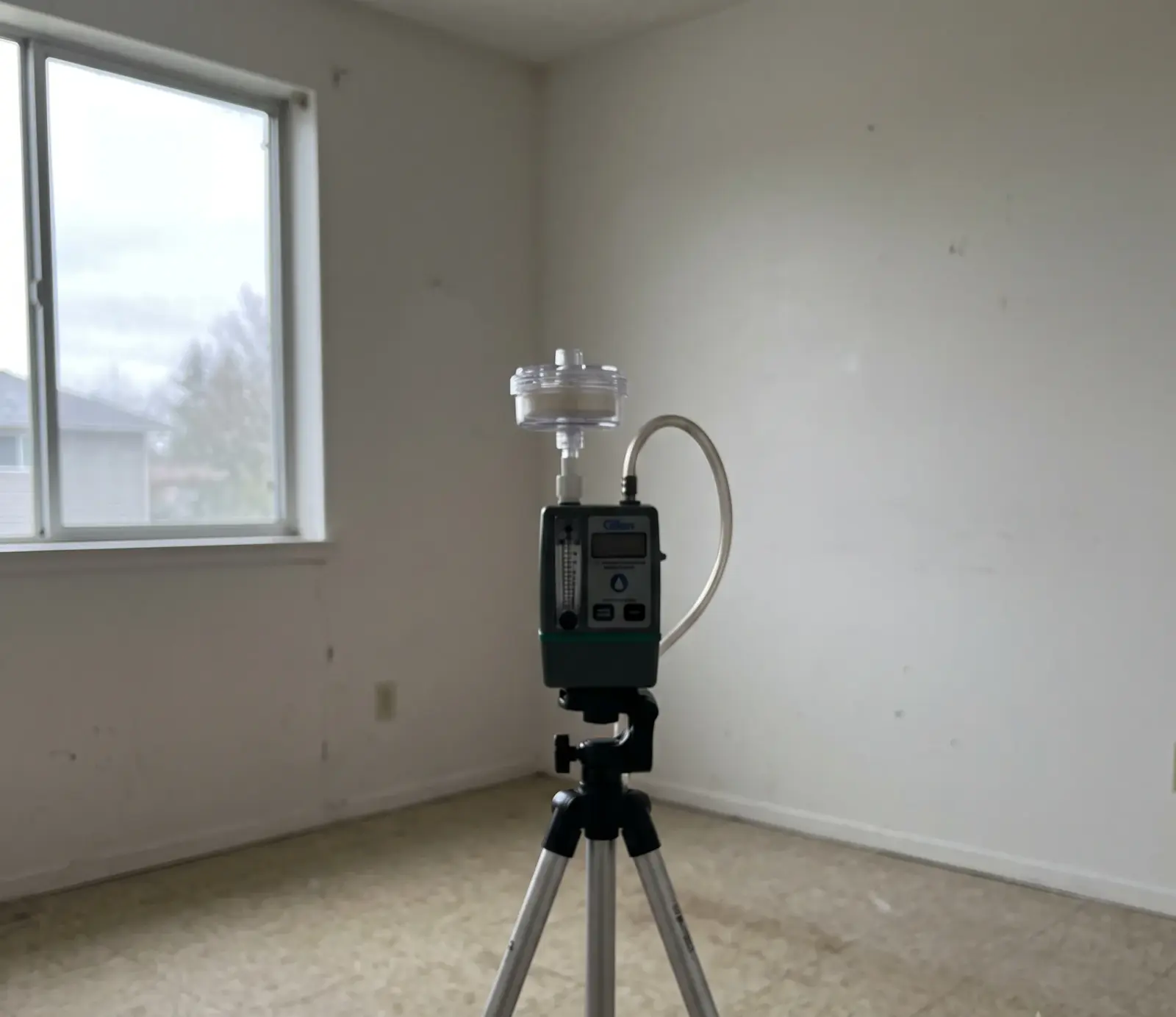
Moisture mapping and lab-tested air sampling before you decide on remediation.
Learn about Mold Inspection & TestingYes. East Nashville's older homes, especially in Lockeland Springs, were built on crawl spaces or piers rather than basements, and those spaces trap moisture after heavy rain. The licensed pros we connect you with handle crawl space water pickup and drying regularly in this part of the city.
East Nashville sits near the Cumberland River in a low-lying stretch of Davidson County, and Metro's stormwater department notes that flooding can happen outside the mapped flood zone too. Homes here are not automatically safe just because they're not on a flood map.
Many East Nashville homes date to the 1900s-1920s and sit on crawl spaces or pier foundations rather than basements. That original construction was never built to today's drainage standards, so water finds its way in through gaps and low clearance the licensed pros we connect you with check first.
It depends on the source and how long the area stayed wet. A fast crawl space pump-out and dry-out after a storm is usually quicker than repairs after a slow leak that sat under an older floor for weeks before anyone noticed it.
Yes. East Nashville is close to the Cumberland River and Shelby Park, and Metro Nashville's stormwater department has said any property here can flood from local streams during a hard rain, whether or not it sits in a mapped flood zone.
Renters often assume a landlord will handle water damage the same day it's reported, but Metro Nashville-Davidson County rules don't set a fixed timeline for that. Getting the moisture measured and documented early gives a tenant something concrete to hand over, whatever the landlord decides to do next.
Every part of Nashville has its own relationship with water, shaped by how close it sits to the Cumberland River, how old the houses are, and what the clay soil underneath has done to the foundations over the years. That is true whether you are near Belle Meade or out toward Donelson. The licensed pros we connect you with take that into account before they touch anything. Call Now and let them know where you are so the response actually fits your street.
Call (615) 821-1762