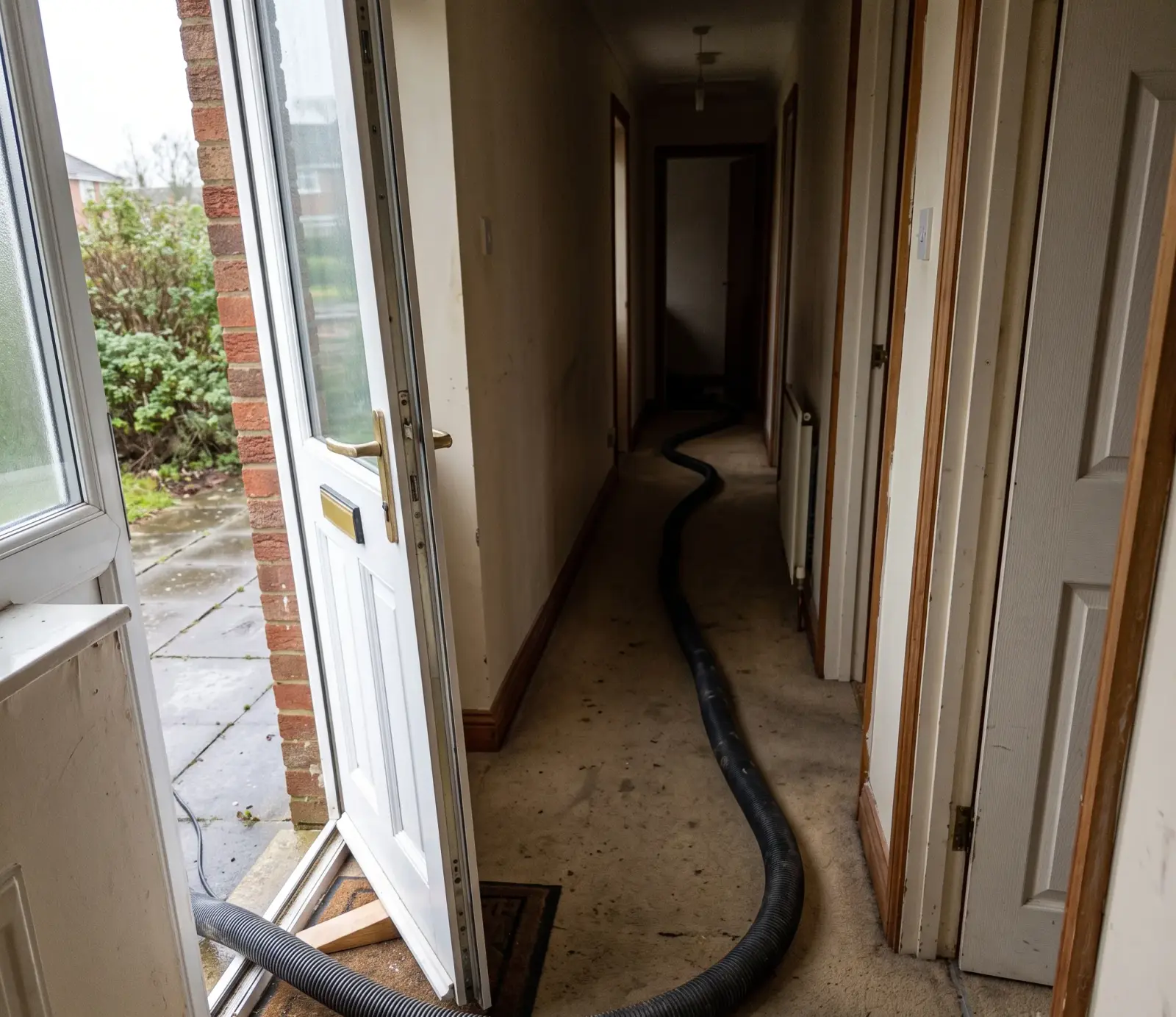
Emergency Water Extraction
Truck-mounted extraction to pull standing water fast, day or night
Learn about Emergency Water ExtractionEarly-to-mid 20th century homes along Jefferson Street mostly sit on crawl spaces, not basements. Older grading and clay soil push rainwater toward the foundation, making crawl space flooding a recurring problem here.
North Nashville is one of the city's oldest residential areas, built up mainly in the early-to-mid 20th century along Jefferson Street, historically the center of Nashville's Black community. Most homes here sit on crawl spaces, not basements or slabs, which changes how water damage actually happens. A crawl space traps ground moisture underneath the living area, and in a humid Middle Tennessee summer that moisture has nowhere to go without help. Add Nashville's clay soil, which swells and cracks with every heavy rain, and you get gaps around the foundation that let water track in after a hard rain or during a hard freeze. Rising redevelopment pressure in North Nashville means older homes and newer builds now sit side by side, but the crawl space and the clay underneath it don't care how new the house is. The licensed pros we connect you with know what a Jefferson Street crawl space usually looks like after a bad week of rain.
Clay soil, older crawl spaces, and Cumberland River backup near Mill Creek all push water into Nashville homes after hard rain.
North Nashville consists mainly of early-to-mid 20th century single-family homes, mostly on crawl space foundations. Renovation history is the wildcard on properties like these — a finished basement or an added bathroom often hides the original exterior wall, and with it the gap that was never sealed when the work was done.
Being close to Cumberland River and Browns Creek changes the whole picture. Standing water in gutters, low-lying yards, and poor drainage becomes a flooding risk within a week of heavy rain, so the first thing the licensed pros we connect you with do on these properties is walk the grounds for water paths.
North Nashville's older homes on crawl spaces trap ground moisture easily, and Middle Tennessee's humid summers slow natural drying, so a wet crawl space here can turn into a mold problem faster than in a newer, better-vented home. Spring storms bring the flash flooding after a hard rain that catches Nashville homeowners off guard. Mill Creek and the Cumberland River both rise fast, and water finds its way into crawl spaces long before anyone notices a leak upstairs.
North Nashville has Fisk and TSU corridor nearby, which means multi-unit and commercial buildings as well as houses. Those jobs live or die on discretion and documentation — service outside trading hours, and a written record of every visit.
Cause of the water, how far it spread through the home, and how long it sat all move the number more than square footage alone.
| Service | Estimated cost |
|---|---|
| Emergency Water Extraction | an estimated $450–$1600 |
| Structural Drying | an estimated $1200–$4500 |
| Mold Remediation | an estimated $599–$4500 |
| Mold Inspection & Testing | an estimated $299–$899 |
| Sewage Cleanup | an estimated $1900–$8000 |
Fisk University sits near the heart of North Nashville, anchoring a neighborhood of mostly early-to-mid 20th century homes on crawl spaces.
Tennessee State University borders North Nashville, part of a district where older housing stock and crawl space foundations are the norm.
Jefferson Street runs through North Nashville, the historic corridor around which the neighborhood's older crawl-space homes were built.
Truck-mounted extraction to pull standing water fast, day or night
Learn about Emergency Water Extraction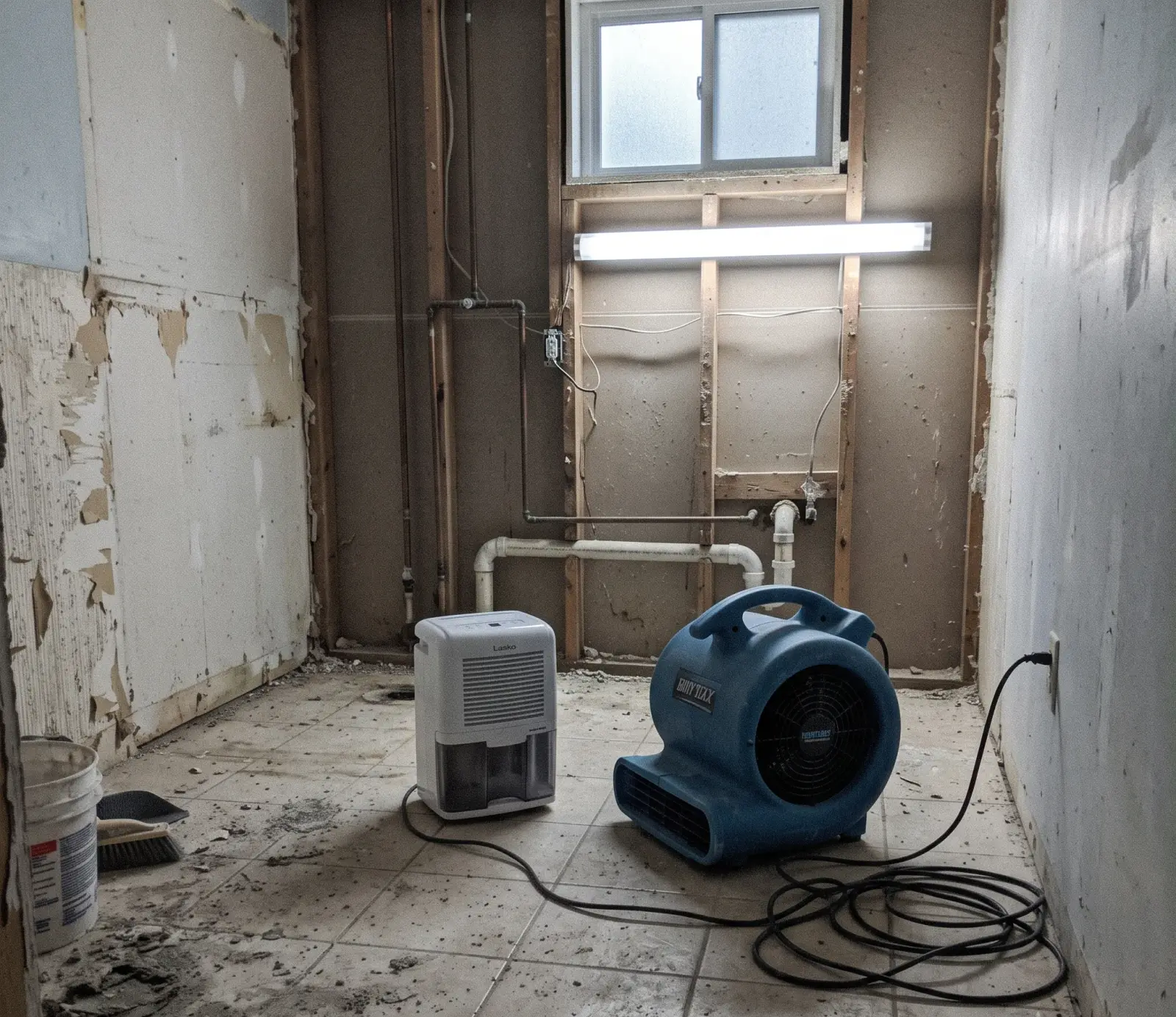
Monitored drying for Nashville homes, tracked daily until framing and drywall test dry.
Learn about Structural Drying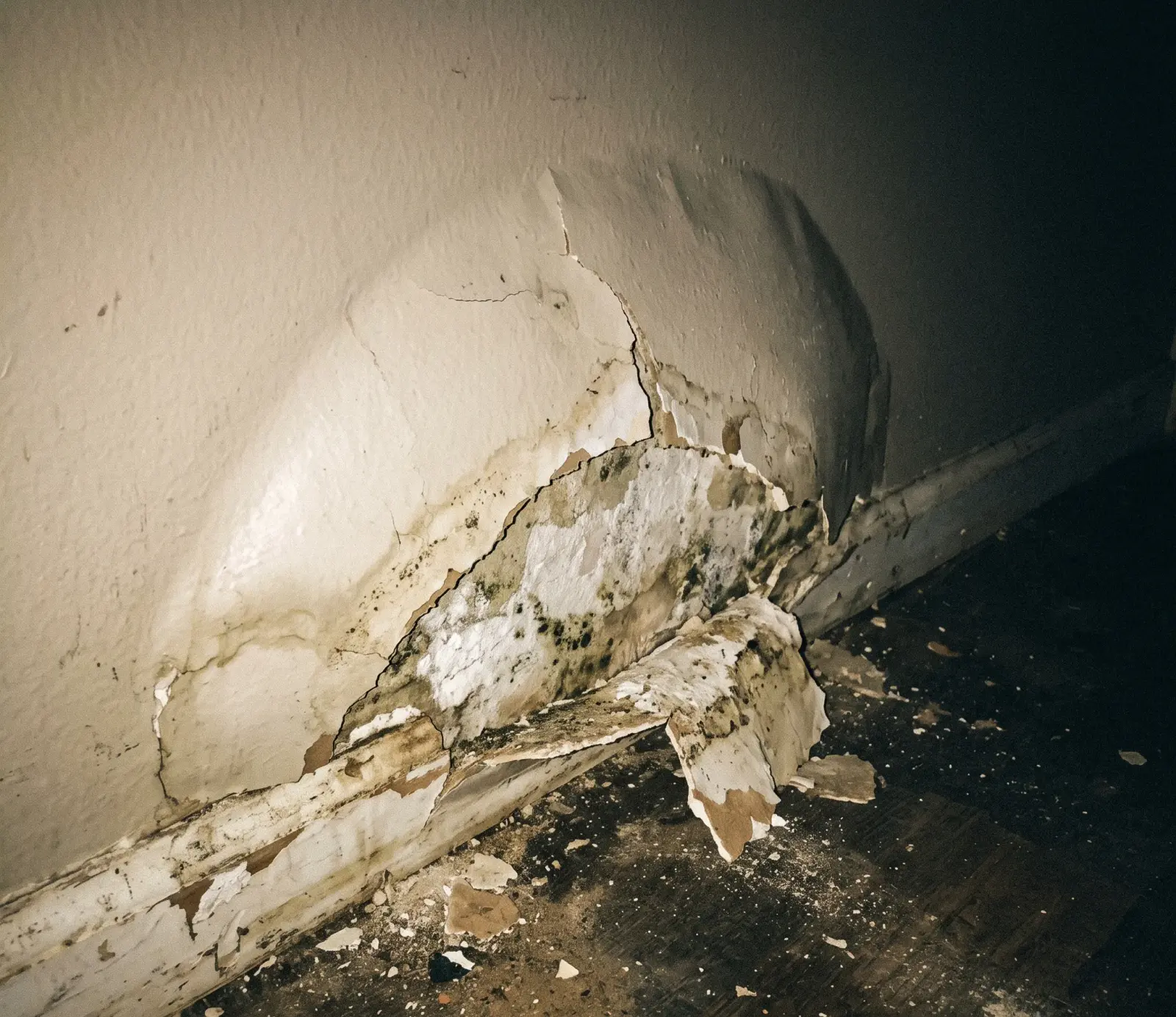
Containment and HEPA removal for active mold, done to stop it from coming back.
Learn about Mold Remediation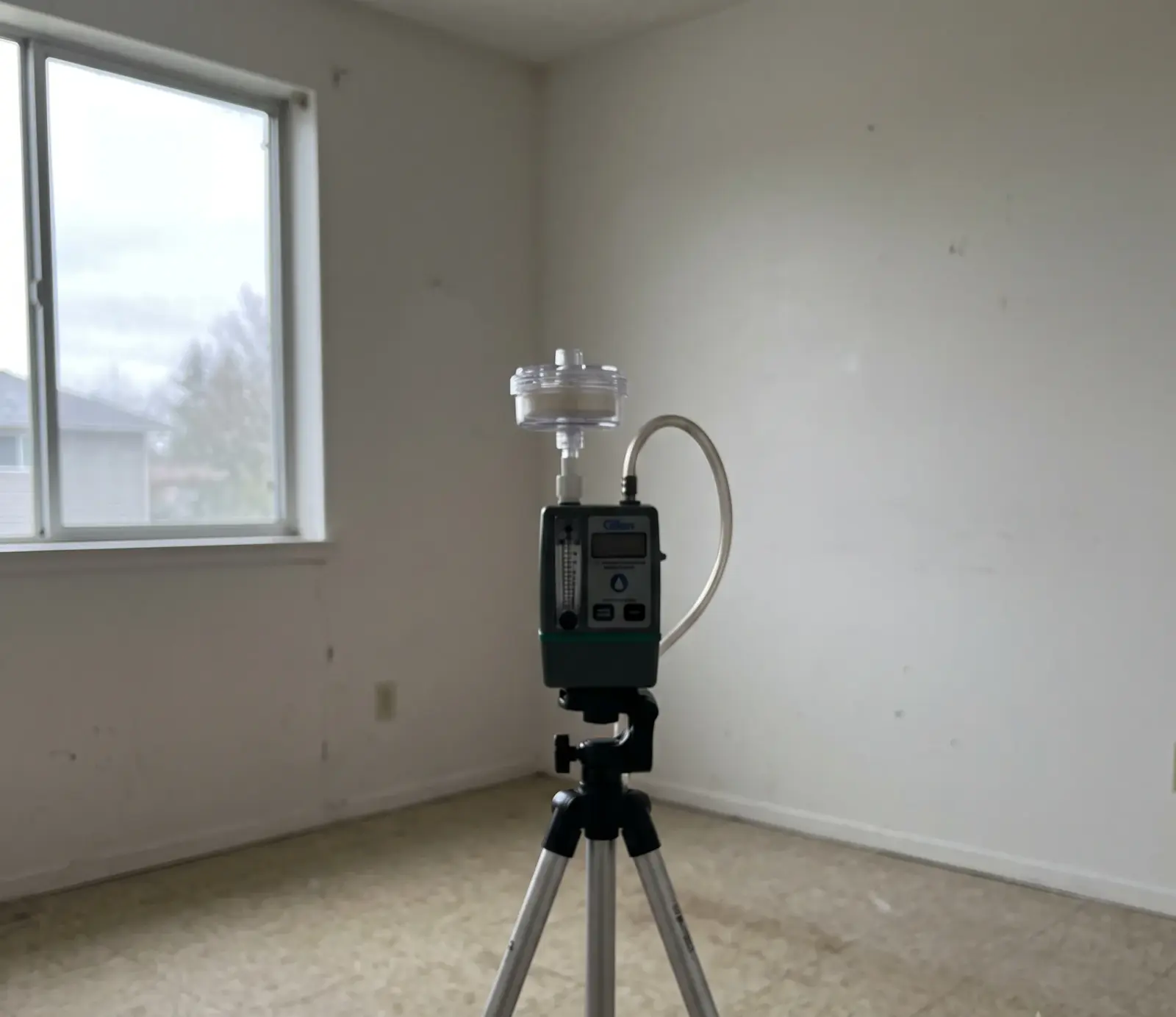
Moisture mapping and lab-tested air sampling before you decide on remediation.
Learn about Mold Inspection & TestingYes. North Nashville, near Jefferson Street, is covered by the licensed pros we connect you with, day or night, for burst pipes, crawl space flooding, and storm damage.
Many North Nashville homes were built before modern drainage standards, so grading and swales around the property may not carry hard rain away fast enough, letting water pool against older crawl space foundations.
Most North Nashville homes were built early-to-mid 20th century on crawl spaces, not basements. That means water tends to show up underneath the house first, as damp insulation or a musty smell, before it ever reaches the living space you can see.
It depends on how long the water sat and what materials it reached. A crew can usually give you a timeframe after seeing the crawl space or affected rooms in person.
Clay soil around Nashville swells when it's wet and shrinks when it dries, which cracks older foundations over time. In a crawl-space home near Jefferson Street, that cracking is often how rainwater gets in after a hard rain.
A slow leak in a crawl space and a burst pipe during a hard freeze both start small. What decides the final bill is how fast someone gets equipment in and moisture pulled out, not which one looked worse the day it happened. Waiting a day usually costs more than the water did.
Every part of Nashville has its own relationship with water, shaped by how close it sits to the Cumberland River, how old the houses are, and what the clay soil underneath has done to the foundations over the years. That is true whether you are near Belle Meade or out toward Donelson. The licensed pros we connect you with take that into account before they touch anything. Call Now and let them know where you are so the response actually fits your street.
Call (615) 821-1762