Mold and Moisture
Mold in Nashville Homes
This hub covers mold, not wildlife, in Nashville homes near Mill Creek and the Cumberland River. Tennessee has no dedicated mold license, so remediation falls under general contractor rules. Humid summers push growth fast once a leak sits, so timing after any water event matters more than the season.
Neighborhood Coverage
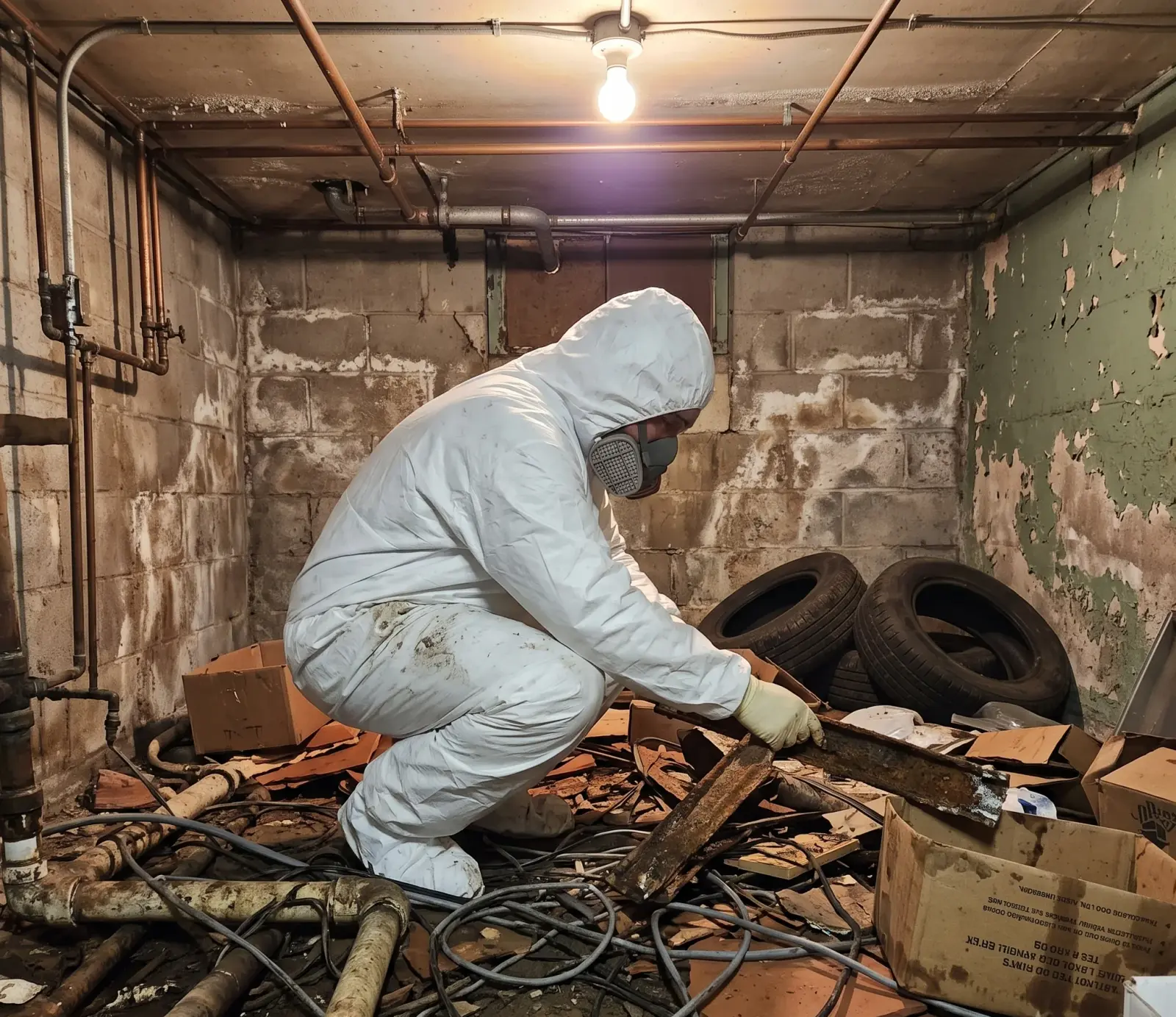
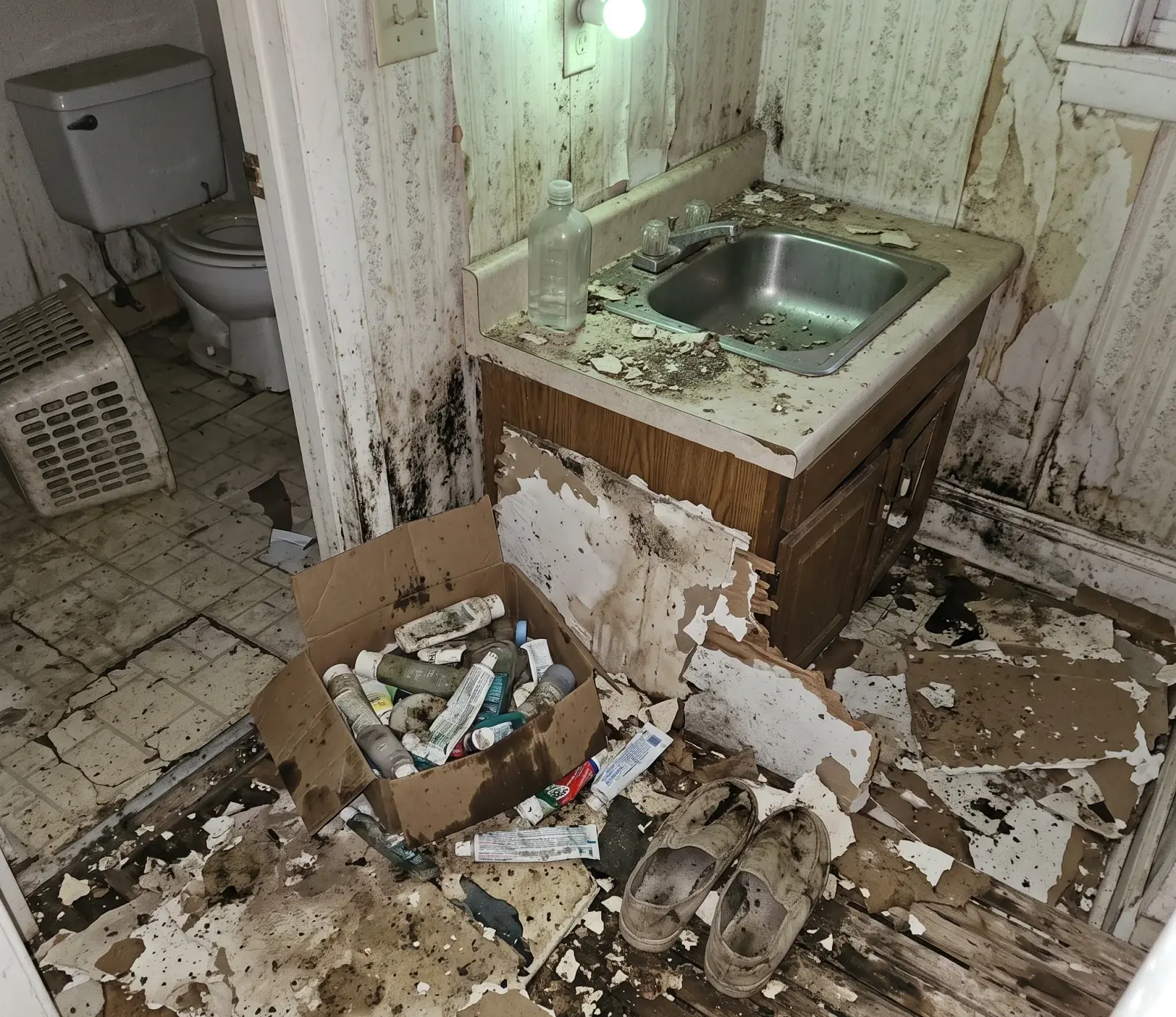
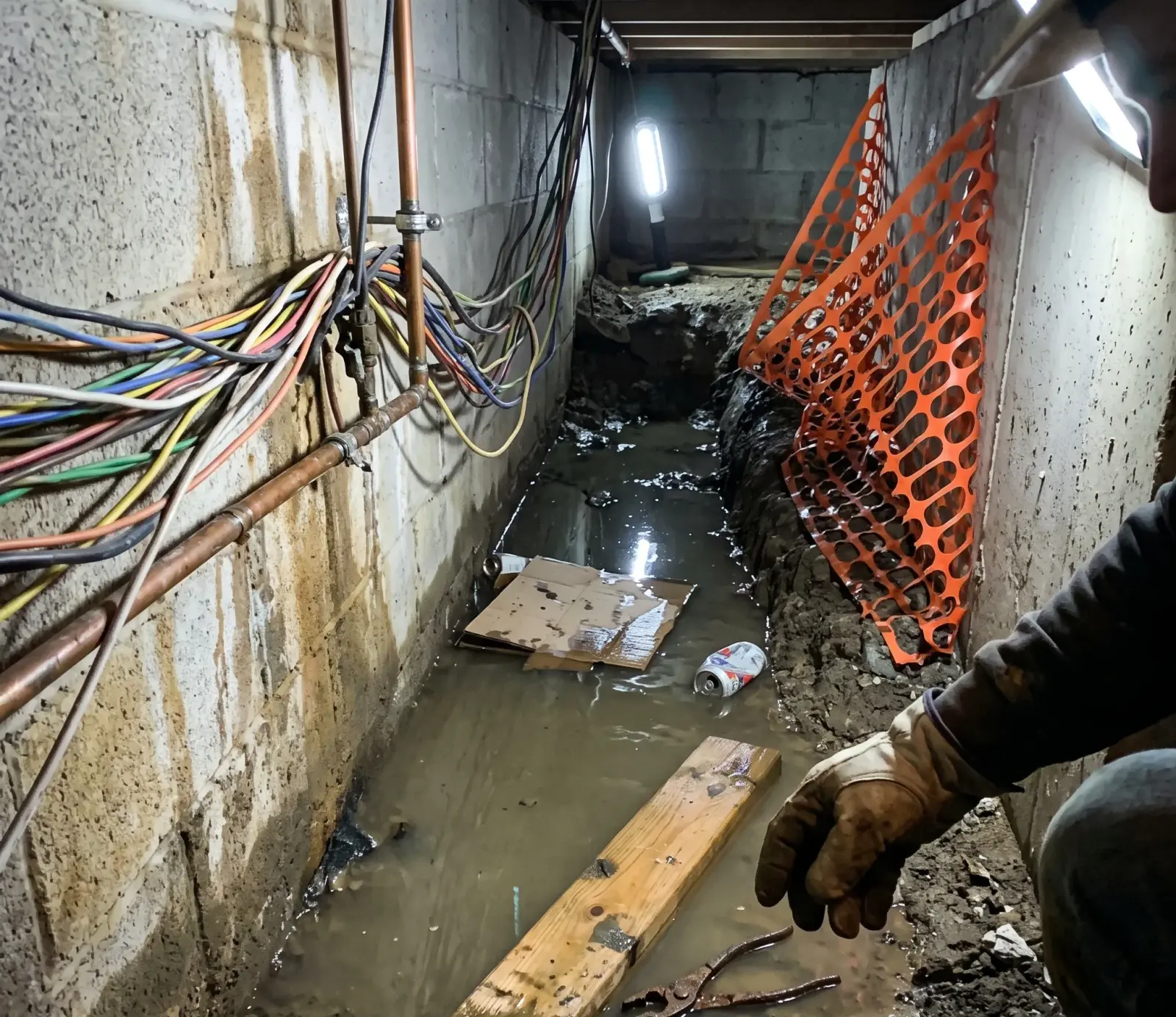
Mold shows up in Nashville homes days after a leak or flash flood, especially in crawl spaces near Mill Creek or the Cumberland River. Clay soil keeps ground moisture high, and Middle Tennessee's damp air gives spores what they need to spread fast. Tennessee has no separate mold license, so ask the licensed pros we connect you with about their remediation experience directly.
Mold is a moisture problem, not a pest problem, so a live infestation is outside this hub. In Nashville's crawl spaces and older basements near Sylvan Park or Inglewood, damp framing feeds it year-round. The pros we connect you with handle containment and removal, never extermination of anything living.
Questions & Answers
Frequently Asked Questions
Is mold removal the same job as water damage restoration?
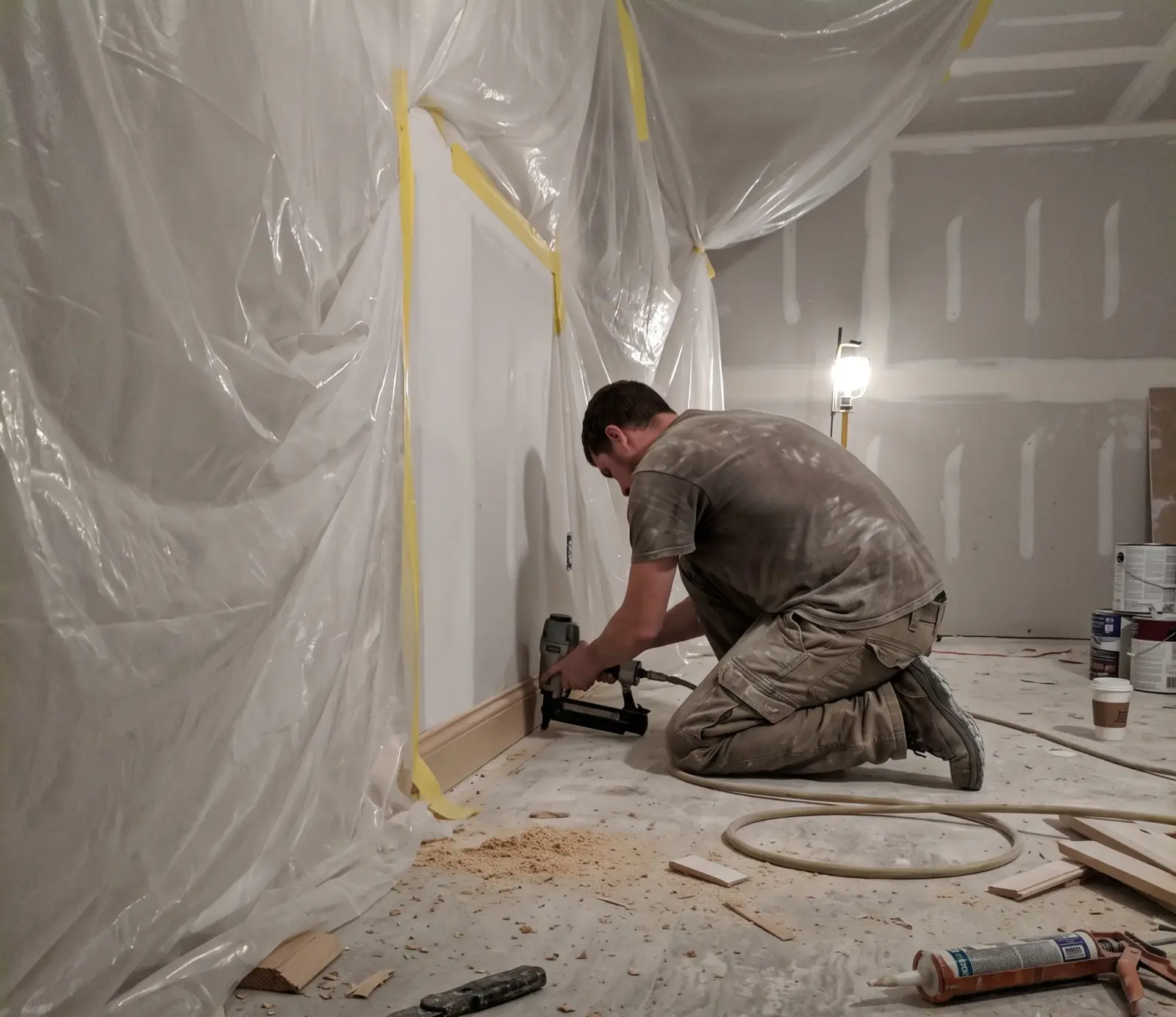
No, and the difference is the reason it costs more. Drying is equipment and time: air movers and dehumidifiers pull water back out of materials that can be saved. Remediation is containment, negative air, removal of porous material that cannot be cleaned, and verification afterwards that the count is back to normal. One is a machine running for three days; the other is a controlled work area with a result somebody has to sign off.
Does the wall have to come out?
Usually not, and demolition is rarely the best first answer. Most jobs are extraction and drying, where the water is removed and the structure is dried in place before anything is opened up. The exception is active growth on porous material, where drying alone seals the problem inside the cavity instead of solving it, so what matters is how quickly somebody reads the moisture rather than how quickly they start cutting.
Why does finding the source matter more than cleaning the mold?
Because the moisture is what the next growth needs. Cleaning a surface without fixing the leak, the condensation or the ventilation that fed it simply books you a repeat visit, usually to the same wall. Anyone who quotes on what is visible without asking where the water came from is quoting on half the job.
Are there times of year when this is harder?
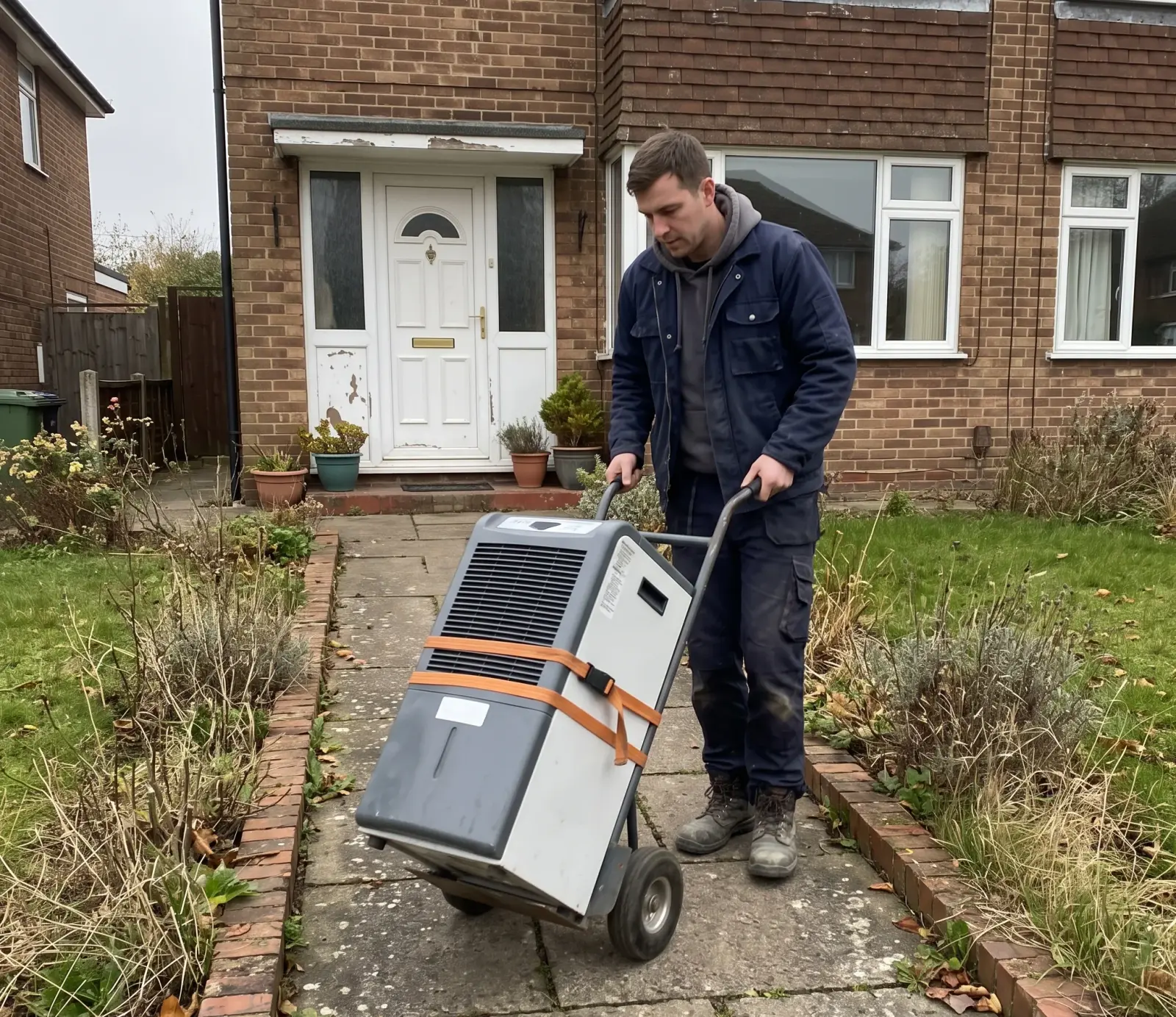
The work happens year round, but the humid months make drying slower and growth faster, so the same leak found in August is a bigger job than the same leak found in February. Dehumidifiers have to work against the outside air as well as the wet material, which is why a drying plan in summer is usually a day or two longer and why sealing the space matters more.
Get Started Today
Mold After a Nashville Leak?
Water in a Nashville crawl space rarely stays put. It travels along the clay, finds a seam near Mill Creek or the Cumberland River, and shows up as a stain days later in a room that seemed fine. If you caught it early after a hard rain or a hard freeze, that timing matters more than the size of the puddle. Tell us what you saw and where, and the licensed pros we connect you with will figure out how far it already spread before you call.
Call (615) 821-1762