Filing a Water Damage Insurance Claim in Nashville, TN
How to document a Nashville water loss, work with your adjuster, and get a fair claim paid.
File notice of loss right away, then document everything: photos, video, receipts, and an itemized estimate before cleanup starts. The adjuster inspects the loss and applies your policy's actual cash value or replacement cost value terms. If the offer is low, request the line-item breakdown, file a supplemental claim for hidden damage, or use the appraisal clause to resolve a disagreement.
What To Do In The First 24 Hours
A burst pipe during a hard freeze or a Cumberland River backup after a storm both turn into the same problem the next morning: an insurance claim. Nashville homeowners who document the loss well and understand what their policy actually promises get paid faster and get paid more. Homeowners who wait, guess, or let an adjuster's first number stand get shortchanged.
This guide walks through the claims process in the order it actually happens: what to record before anything gets touched, how notice of loss works, what the adjuster is doing when they inspect your Sylvan Park bungalow or your Donelson split-level, and what a typical Tennessee homeowners policy covers for water damage and what it excludes. It does not cover storm prep; that is a different page.
None of this is legal advice, and no Tennessee statute sets a fixed number of days to file or for an insurer to pay a water damage claim. What follows is the practical order of operations homeowners across Middle Tennessee, from Green Hills to Antioch, actually use to get a fair settlement.
Documenting The Loss Before Cleanup Starts
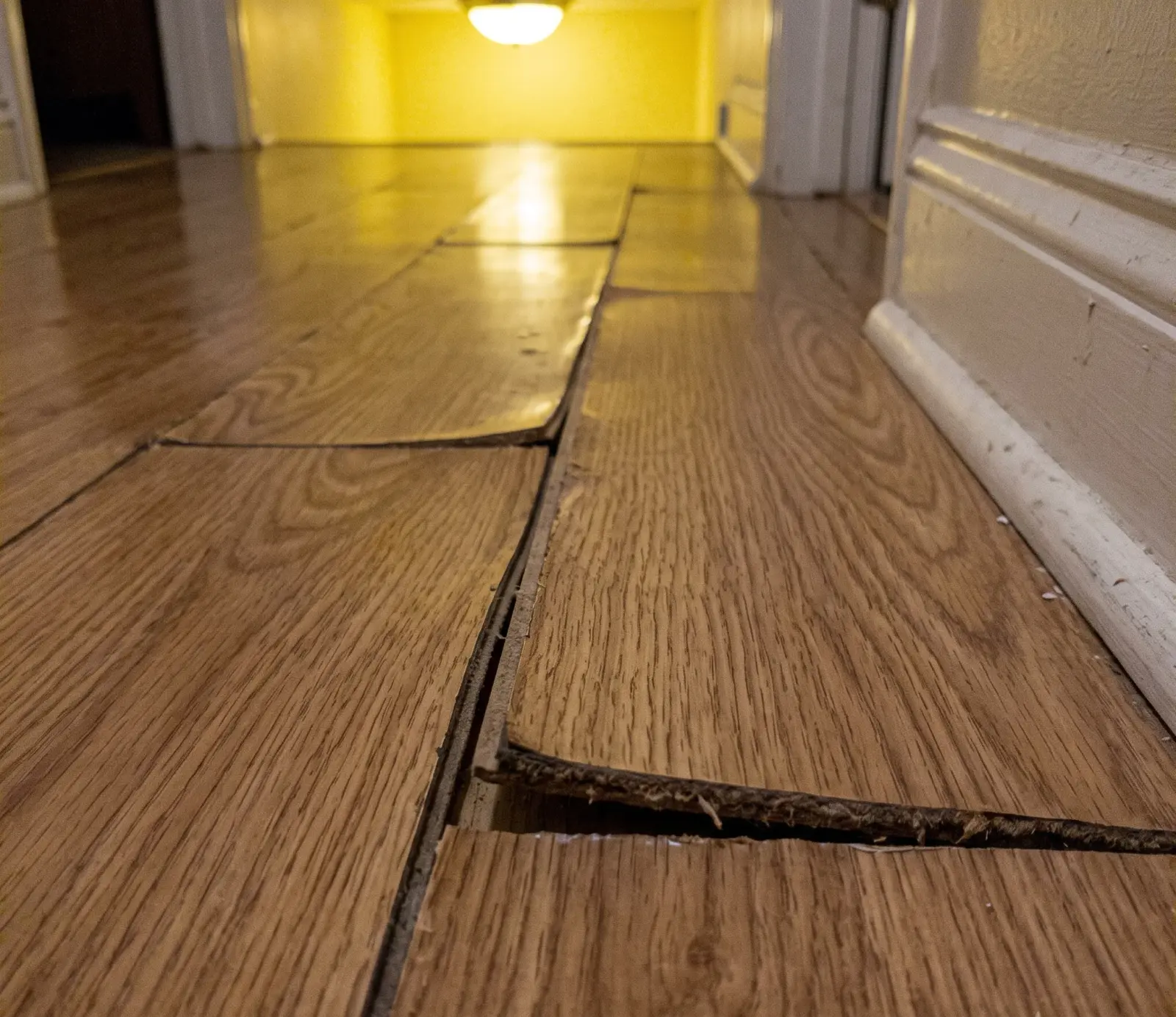
Before any mitigation starts, walk the damaged area and record what you see. Photograph every wet surface, every warped floorboard, every water line on drywall. Video the whole room in one slow pass so the adjuster sees spatial context, not just isolated shots. Note the time you found the leak and what caused it, whether that's a supply line under a Belmont-Hillsboro kitchen sink or a sump pump failure in a Bellevue crawl space.
Keep every receipt tied to the loss: hotel stays if the home is unlivable, fans or dehumidifiers you rented, materials pulled out and thrown away. An itemized estimate from the licensed pros we connect you with, listing labor, equipment and materials line by line, carries far more weight with an adjuster than a verbal number. Save damaged materials in a garage or shed until the adjuster releases them, rather than hauling everything to the curb.
- Photograph every wet surface before anything is moved or torn out. Wide shots of the room, then close shots of the waterline, the flooring, and the source itself.
- Photograph standing water before extraction starts, then keep shooting through each drying stage. Adjusters weigh dated images heavily, and gaps in the timeline invite a lower payout on the estimate.
- Keep a swatch or sample of ruined flooring, drywall, or insulation in a bag. An adjuster who never saw the material in place will ask what it was.
- List damaged belongings with the room they sat in, an estimated age, and a rough replacement price. This becomes the backbone of your proof of loss.
- Keep the itemized estimate, moisture logs, and any material samples pulled during the work. A supplemental claim needs this paper trail if hidden damage surfaces once walls open up.
- Call your insurer's claims line the same day if you can. This starts your notice of loss and puts a claim number on record right away.
Filing The Notice Of Loss With Your Insurer
Photos matter more than most homeowners realize. Before anything gets moved or torn out, walk through and photograph every wet wall, ceiling stain, and ruined item near West End Avenue or Gallatin Pike alike. Note when you first noticed water and what caused it. This record becomes the backbone of your proof of loss, and it's what an adjuster or a public adjuster will lean on if the scope of work ever gets disputed later.
Most homeowners policies split payment into actual cash value and replacement cost value. Actual cash value pays what the damaged item is worth today, after depreciation; replacement cost value pays what it costs to replace new, often released only after repairs are done and receipts submitted. Read your declarations page to see which one your policy promises, because the gap between the two on a flooded Germantown basement can be thousands of dollars.
- Get an itemized estimate, ideally built in Xactimate, the software most Nashville adjusters and contractors both use, so the two numbers can be compared line by line.
- Ask the adjuster to walk the scope of work with you in person, room by room, rather than emailing a summary you can't picture against your own house.
- If new damage turns up mid-repair, behind a wall near Sylvan Park or under old flooring in Bordeaux, file a supplemental claim before that section is closed.
- Keep every email and note the date of every phone call. A claim that drags past a reasonable time with no answer is worth raising directly with the insurer.
What A Nashville Homeowners Policy Usually Covers
Most homeowners policies cover water damage that is sudden and accidental, like a pipe that bursts during a hard freeze or a washing machine hose that fails overnight. What they typically exclude is gradual damage: a slow leak behind a wall that went unnoticed for months, or flooding from a rising river or creek, which usually needs a separate flood policy. A policy exclusion for surface water or backwater from Mill Creek is common language worth reading closely.
Sewer and drain backup is often excluded unless you bought a specific endorsement adding it back. Mold that grows because a claim sat unaddressed too long can also fall under an exclusion, since insurers expect prompt mitigation once the water is found. This is why the order of operations matters: document first, but start drying fast, because delay itself can become the reason for a denial.
| Cause Of Loss | Typically Covered | Usually Excluded |
|---|---|---|
| Burst pipe from a hard freeze | Water damage and pipe repair | Neglect if pipes were never protected |
| Roof leak during a storm | Interior damage from the storm event | Pre-existing roof wear or deferred upkeep |
| Cumberland River or creek flooding | Nothing under a standard policy | Requires separate flood insurance |
| Sump pump or drain backup | Only with a sewer backup endorsement | Excluded on a bare policy |
| Slow leak found in a crawl space | Sudden damage discovered late | Long-term seepage or maintenance neglect |
Working With The Adjuster Without Losing Ground
If the adjuster's number feels low against your own itemized estimate, ask for the line-item breakdown and compare it room by room. A number that skips damaged subfloor under a Bordeaux home's kitchen, or undercounts the drywall removed in an Inglewood living room, is a documentation gap you can push back on with photos and receipts. This is normal; a first offer is rarely a final one.
A supplemental claim reopens the file when hidden damage turns up mid-repair, like rot found after flooring is pulled in a Sylvan Heights home. Most policies also carry an appraisal clause: if you and the insurer can't agree on the amount after a denial or a lowball figure, each side picks an appraiser, and a third umpire settles disagreements. It's a formal step, but it exists for exactly this kind of stall.
What To Do If The Claim Gets Denied
A public adjuster works for you, not the insurance company, and negotiates the claim on your behalf, but in Tennessee only someone licensed under the state's Public Adjuster Licensing Act may legally do that job. Hiring one usually makes sense on larger, contested losses, not a straightforward burst-pipe claim in a Whitland kitchen that's moving along fine on its own.
A denial is not always final. Tennessee homeowner policies generally include an appraisal clause, a process where each side picks an appraiser and the two agree on a third if needed to settle the dollar amount. It will not overturn a coverage exclusion, but it can resolve a dispute over how much a covered loss in your Nashville home is actually worth. Read the denial letter closely before assuming the claim is dead.
Terms Worth Knowing Before You Call
- Demolition and drying do not require a Metro Nashville permit under current guidance; the rebuild phase, including drywall, electrical, and plumbing, does.
- A written estimate under $25,000 in Davidson County still requires at least a Home Improvement Contractor license.
- Tennessee requires public adjusters to hold a state license before negotiating a claim on someone else's behalf; an unlicensed contractor cannot legally fill that role.
- Tennessee law requires insurers to act on claim communications and proof of loss within a reasonable time.
- Local streams across Nashville can flood homes that sit outside the mapped hazard area, so a policy's flood exclusion can matter even far from the Cumberland River.
- An appraisal clause lets you and the insurer settle a disputed dollar amount without going to court first.
Frequently Asked Questions
How soon do I need to report water damage?
Call your insurer right away and get the claim opened, then reach out for mitigation before standing water sits long enough to warp floors or reach drywall in an older Nashville home. Document everything first. Acting quickly protects both your health and your claim, whether the water came from Mill Creek runoff or a failed water heater.
What does actual cash value mean on my payout?
Actual cash value pays the depreciated worth of damaged materials, not the cost to replace them new. Replacement cost value pays to rebuild at today's prices, sometimes in two payments. Check your Nashville policy's declarations page to see which one applies before you spend a dollar on repairs.
Can I hire my own adjuster in Nashville?
Yes. A public adjuster is licensed by the state of Tennessee and works for you, not the insurance company, negotiating your payout for a fee. Most Nashville homeowners never need one, but a large or disputed loss on an older home near Belmont-Hillsboro or Inglewood is where one earns their cost back.
What if my claim gets denied?
Read the denial letter closely; it must cite a specific policy exclusion. You can request the adjuster's full file, get your own itemized estimate, and invoke the appraisal clause in your policy if the two sides can't agree on the number. A denial is not always the final word.
Do I need a permit to start drying out?
Metro Nashville does not require a permit for the water-extraction and demolition phase of a loss. A permit is only required once you rebuild drywall, electrical, plumbing, or HVAC, so mitigation can start the same day water is found.
Ready to talk through your claim?
Standing water in a Nashville home does not wait for paperwork to catch up. Call and the licensed pros we connect you with can start documenting the loss the same day.
Call (615) 821-1762