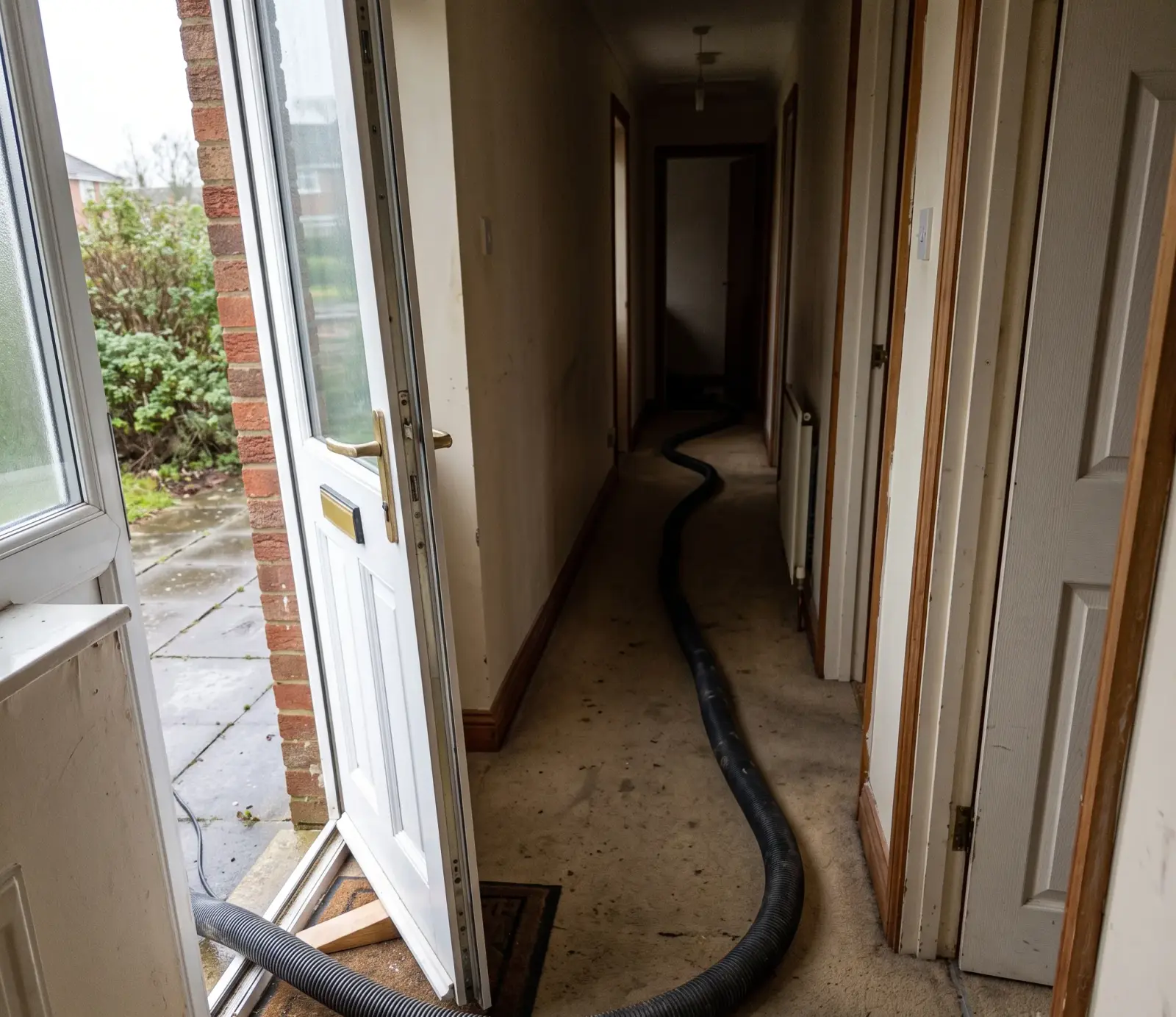
Emergency Water Extraction
Truck-mounted extraction to pull standing water fast, day or night
Learn about Emergency Water ExtractionBellevue's homes split between crawl space, slab-on-grade and basement foundations, so no single drying approach works for the whole area. The low ground near the Harpeth River floods first when clay soil stops draining.
Bellevue sits along the Harpeth River in southwest Davidson County, and most of it was built out from the 1970s through the 1990s as single-family subdivisions on crawl space or slab-on-grade foundations. In the hillier ground closer to the river, some newer homes were built with basements instead. That mix matters after a hard rain: a slab home floods differently than a crawl space, and a crawl space traps moisture differently than a basement. Add Nashville's clay soil, which swells and cracks instead of draining, and water finds the low-lying stretches near the Harpeth first. The licensed pros we connect you with have worked all three foundation types across Bellevue and bring the right approach for whichever one is under your house.
Clay soil, older crawl spaces, and Cumberland River backup near Mill Creek all push water into Nashville homes after hard rain.
The building stock in Bellevue runs to mostly 1970s-1990s subdivisions, with newer basement homes in hillier ground near the river. That matters because older roofing and original flashing give water more paths in, and because decades-old plumbing holds the risk of a slab leak or a burst supply line before anyone notices the damage.
Properties sitting near Harpeth River and Mill Creek hold groundwater far longer through the wet season. Persistent humidity around a foundation or exterior wall is the single strongest predictor of mold growth and moisture-related damage, so a meter reading comes before any recommendation.
Bellevue's mix of crawl space, slab-on-grade and basement homes near the Harpeth River means clay soil drainage problems and low-lying flooding both show up here, not just one or the other, depending on where in Bellevue a house sits. Winter thaw after a freeze is when a lot of Nashville homeowners find the damage. Pipes that cracked in the cold snap finally leak once the ice inside melts, and the water has usually been moving for hours by then.
Bellevue has Bellevue retail corridor nearby, which means multi-unit and commercial buildings as well as houses. Those jobs live or die on discretion and documentation — service outside trading hours, and a written record of every visit.
A slow leak found early costs less to fix than water that sat for days under a floor.
| Service | Estimated cost |
|---|---|
| Emergency Water Extraction | an estimated $450–$1600 |
| Structural Drying | an estimated $1200–$4500 |
| Mold Remediation | an estimated $599–$4500 |
| Mold Inspection & Testing | an estimated $299–$899 |
| Sewage Cleanup | an estimated $1900–$8000 |
The river Bellevue is built along, with lower ground nearby that floods first when clay soil stops draining after heavy rain.
A major Nashville route connecting Bellevue to the rest of Davidson County for faster response when water damage hits.
Nashville's other river, a reminder that Bellevue's Harpeth River flooding is a separate, local risk from downtown's.
Truck-mounted extraction to pull standing water fast, day or night
Learn about Emergency Water Extraction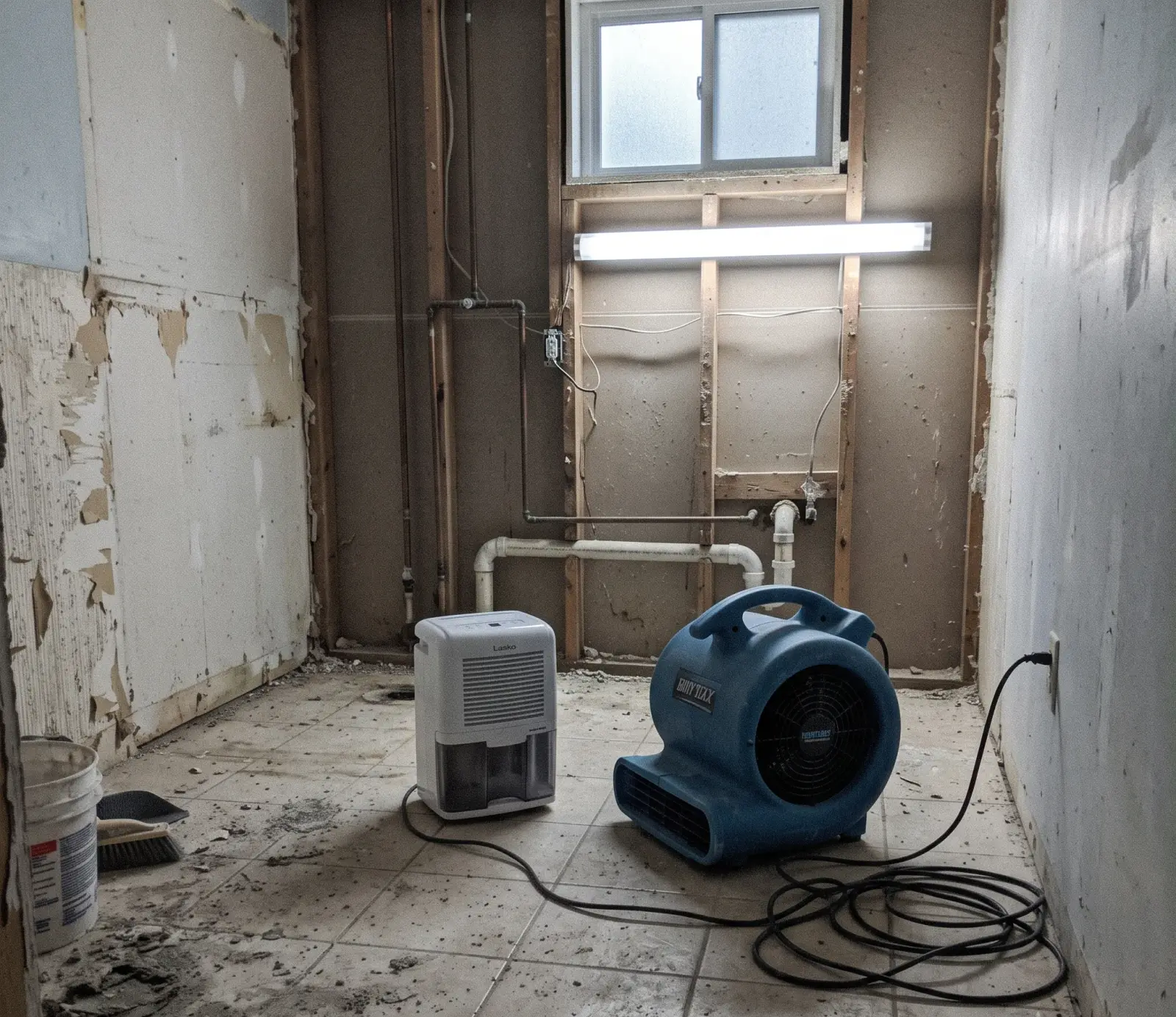
Monitored drying for Nashville homes, tracked daily until framing and drywall test dry.
Learn about Structural Drying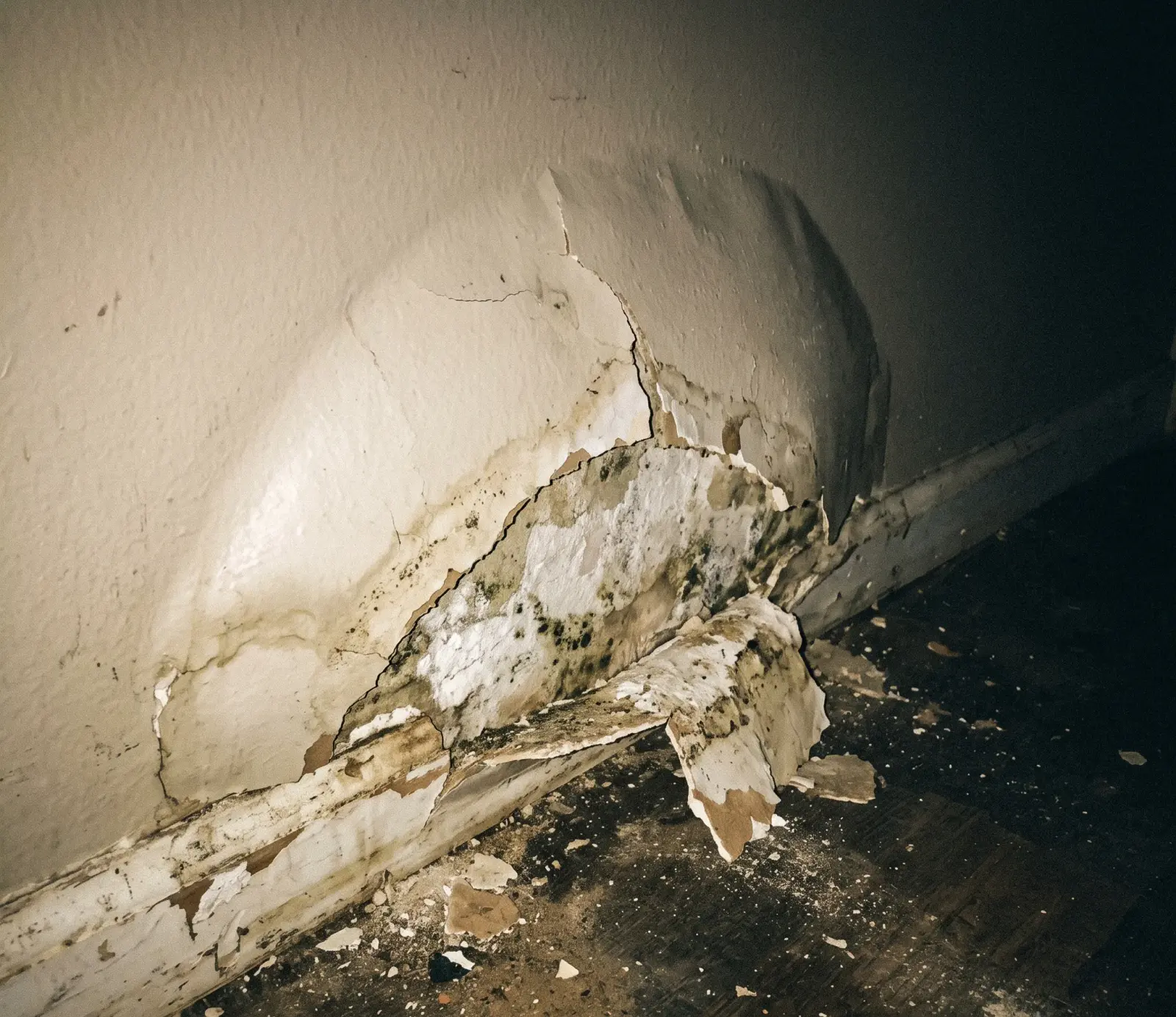
Containment and HEPA removal for active mold, done to stop it from coming back.
Learn about Mold Remediation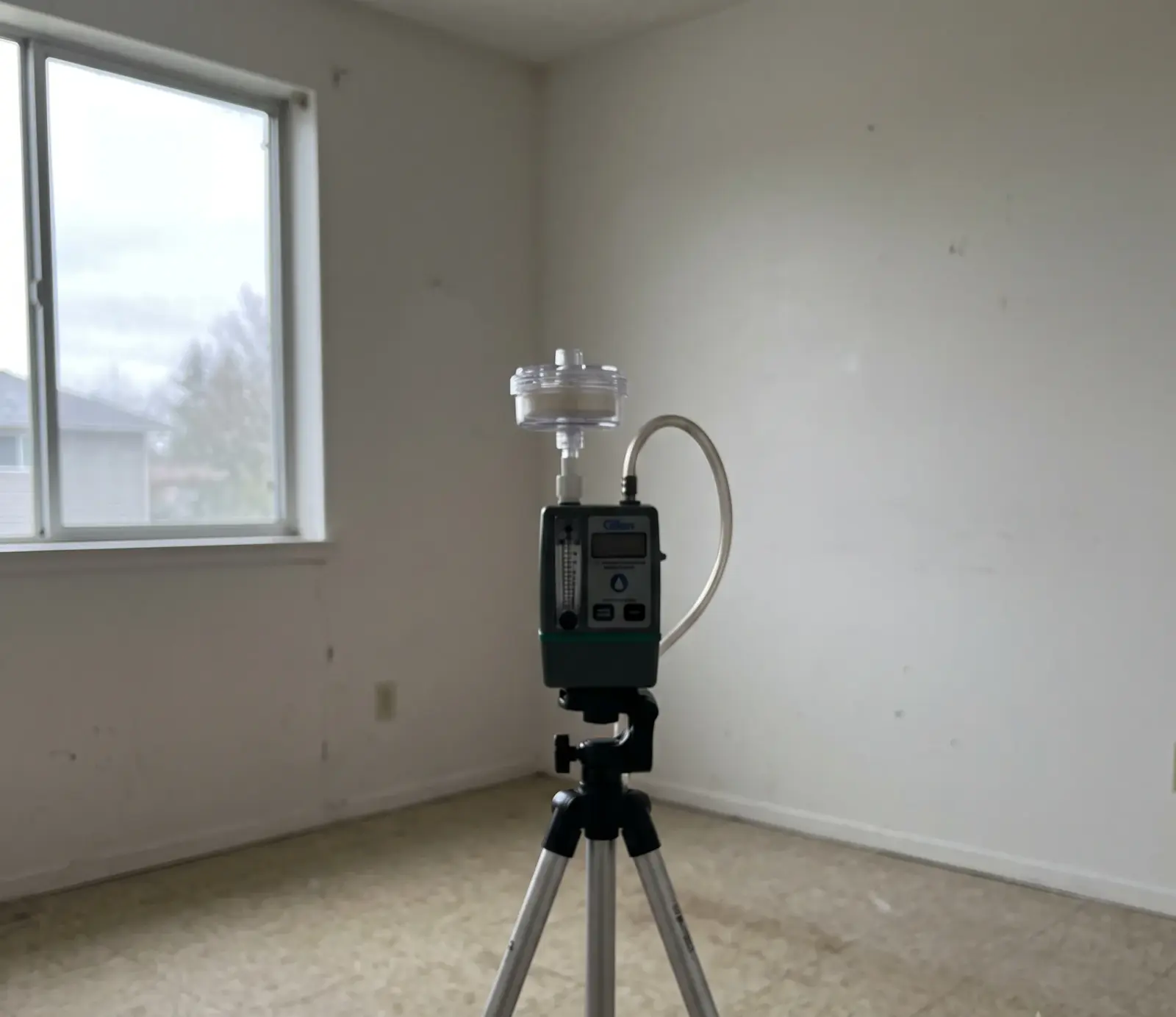
Moisture mapping and lab-tested air sampling before you decide on remediation.
Learn about Mold Inspection & TestingDonelson · Green Hills · Bordeaux · Capitol Hill · Downtown Nashville · Midtown · 12 South · West Meade
Yes. Bellevue sits in southwest Davidson County along the Harpeth River, and the licensed pros we connect you with cover it the same as the rest of Nashville. Subdivisions built from the 1970s through the 1990s sit on crawl space or slab foundations, with some newer homes on basements in the hillier ground near the river.
The Harpeth River runs through Bellevue, and homes in the hillier sections near it are more likely to have basements, while most of the 1970s-1990s subdivisions sit on crawl space or slab. A hard rain can push water into any of the three, so the pros check crawl spaces and low basement corners first.
Clay soil under Bellevue swells when wet and cracks when it dries, which opens paths for water around foundations. Combined with low-lying ground near the Harpeth River, that makes drainage a bigger factor here than in higher, sandier parts of Nashville.
Humidity in a closed-up Bellevue crawl space or basement lets mold take hold within one to two days after a leak or flood, especially through a humid Middle Tennessee summer. Getting air moving and moisture pulled out quickly matters more than the type of foundation.
Bellevue's housing is mostly single-family subdivisions from the 1970s through the 1990s, with crawl space and slab foundations common and some newer basement construction in the hillier ground near the Harpeth River. That age and mix means aging pipes and varied foundation types both come up in Bellevue calls.
A slow leak in a crawl space and a burst pipe during a hard freeze both start small. What decides the final bill is how fast someone gets equipment in and moisture pulled out, not which one looked worse the day it happened. Waiting a day usually costs more than the water did.
Every part of Nashville has its own relationship with water, shaped by how close it sits to the Cumberland River, how old the houses are, and what the clay soil underneath has done to the foundations over the years. That is true whether you are near Belle Meade or out toward Donelson. The licensed pros we connect you with take that into account before they touch anything. Call Now and let them know where you are so the response actually fits your street.
Call (615) 821-1762