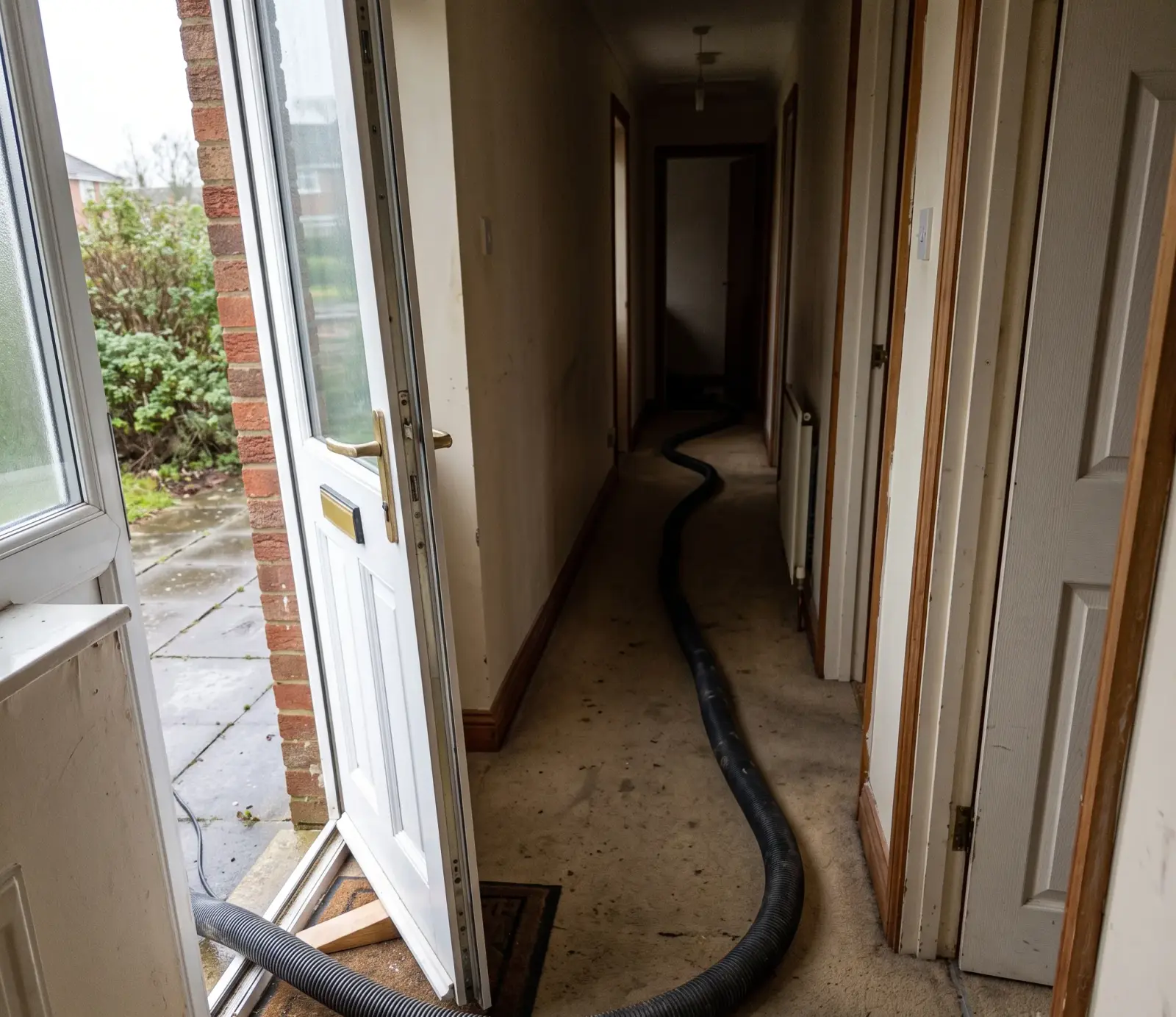
Emergency Water Extraction
Truck-mounted extraction to pull standing water fast, day or night
Learn about Emergency Water ExtractionDowntown Nashville is almost entirely condo towers on slab or podium construction, not standalone houses, so a water problem here usually starts in a unit above and travels down through shared walls and floors rather than up from a crawl space.
Downtown Nashville along the Cumberland River is almost entirely condo towers and mid-rise buildings put up from the 2000s on. There's no basement or crawl space to check here — these are slab-on-grade and podium-built structures on Metro water and sewer, so a leak means water moving sideways across a hard floor and down through the units below it before anyone upstairs even knows. A supply line failure in a high-rise near Broadway or the Ryman Auditorium can travel through several floors fast, soaking finishes and drywall on its way down. Add a hard freeze on an exposed line, or a heavy rain overwhelming drainage near the river, and a single unit's water problem quickly becomes a building's. The licensed pros we connect you with handle multi-unit and high-rise water losses in Downtown Nashville and respond around the clock, because water moving through a shared structure does not wait for morning.
Clay soil, older crawl spaces, and Cumberland River backup near Mill Creek all push water into Nashville homes after hard rain.
Because Downtown Nashville is largely mid- and high-rise condo towers built mostly from the 2000s onward, slab and podium construction, the same handful of weak points come up on job after job. Roof valleys, older supply lines, and the seals around exterior fixtures account for a large share of the water damage calls we take here.
Anywhere close to Cumberland River and Broadway, expect slower-draining soil and higher humidity at ground level around the house. Musty odors and surface mold follow that moisture indoors, and treating them without addressing the damp just means treating them again next season.
Nashville's humid summers mean any water sitting behind downtown's drywall or under flooring dries slowly and can support mold growth within days, not weeks. Slab and podium construction traps moisture against concrete unless it's pulled out fast. Spring storms bring the flash flooding after a hard rain that catches Nashville homeowners off guard. Mill Creek and the Cumberland River both rise fast, and water finds its way into crawl spaces long before anyone notices a leak upstairs.
Given Downtown Nashville businesses nearby, commercial standards apply to a lot of the work here: defined treatment zones, product records, and a report the property manager can hand to an inspector without explanation.
How much water spread, how long it sat, and whether it reached a crawl space or a finished basement all move the number.
| Service | Estimated cost |
|---|---|
| Emergency Water Extraction | an estimated $450–$1600 |
| Structural Drying | an estimated $1200–$4500 |
| Mold Remediation | an estimated $599–$4500 |
The Ryman Auditorium anchors the district's east edge, close to condo towers where upper-floor leaks can travel down through several units.
Broadway runs through the heart of downtown, lined with the mid-rise and high-rise buildings that make up most of the local housing stock.
Music City Center sits near the Cumberland River, in the same low-lying stretch of downtown where street-level runoff collects after heavy rain.
Truck-mounted extraction to pull standing water fast, day or night
Learn about Emergency Water Extraction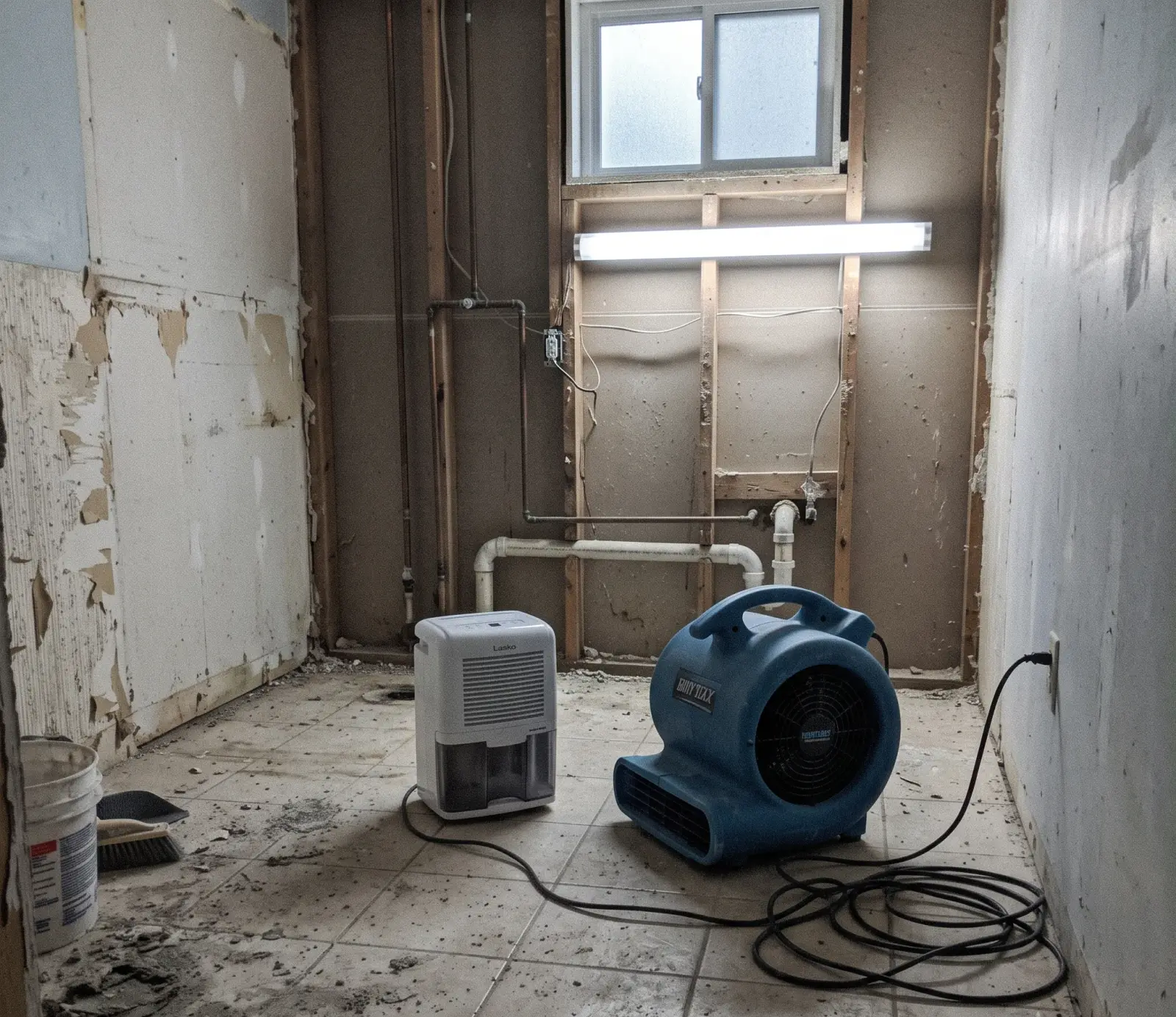
Monitored drying for Nashville homes, tracked daily until framing and drywall test dry.
Learn about Structural Drying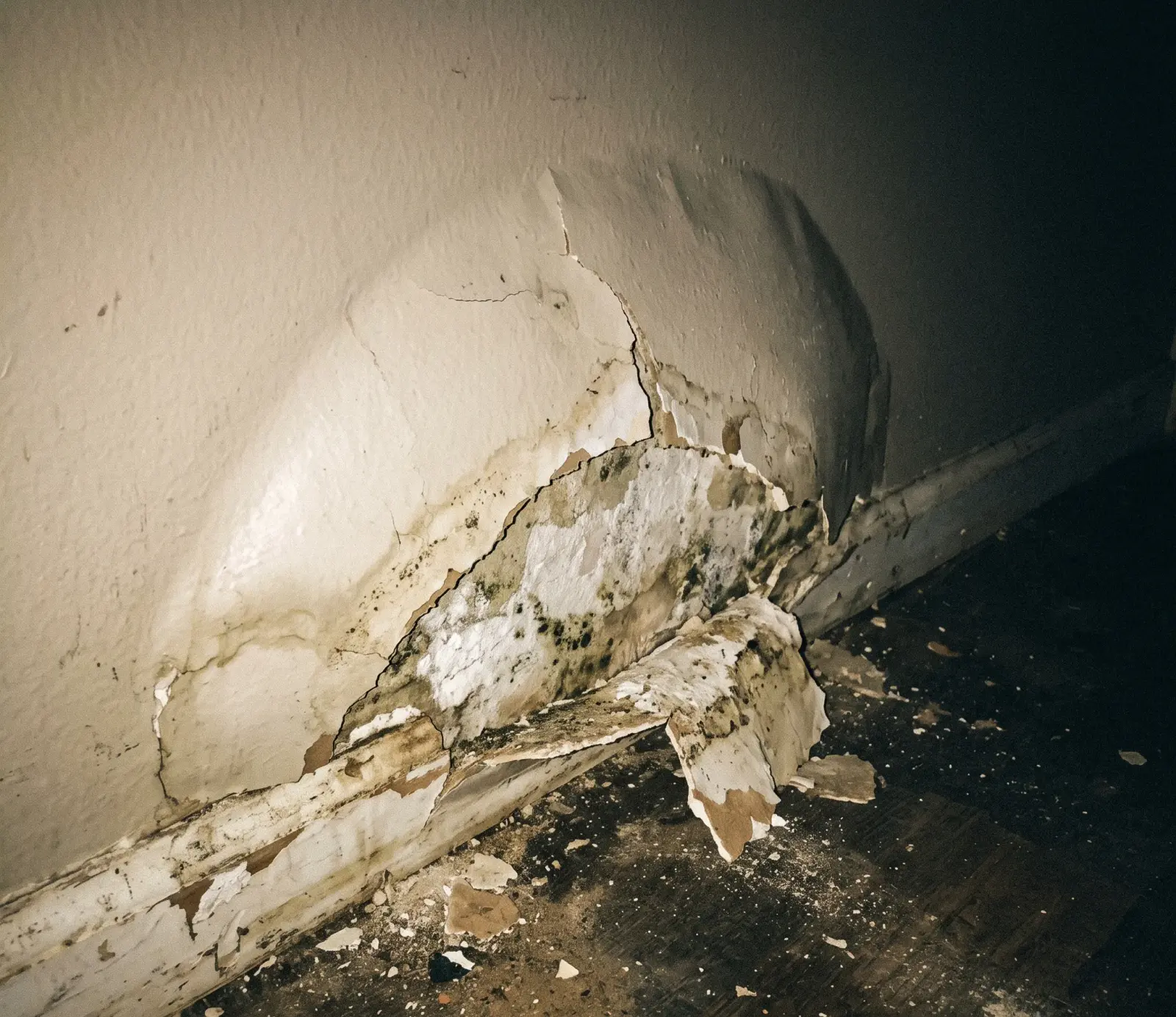
Containment and HEPA removal for active mold, done to stop it from coming back.
Learn about Mold Remediation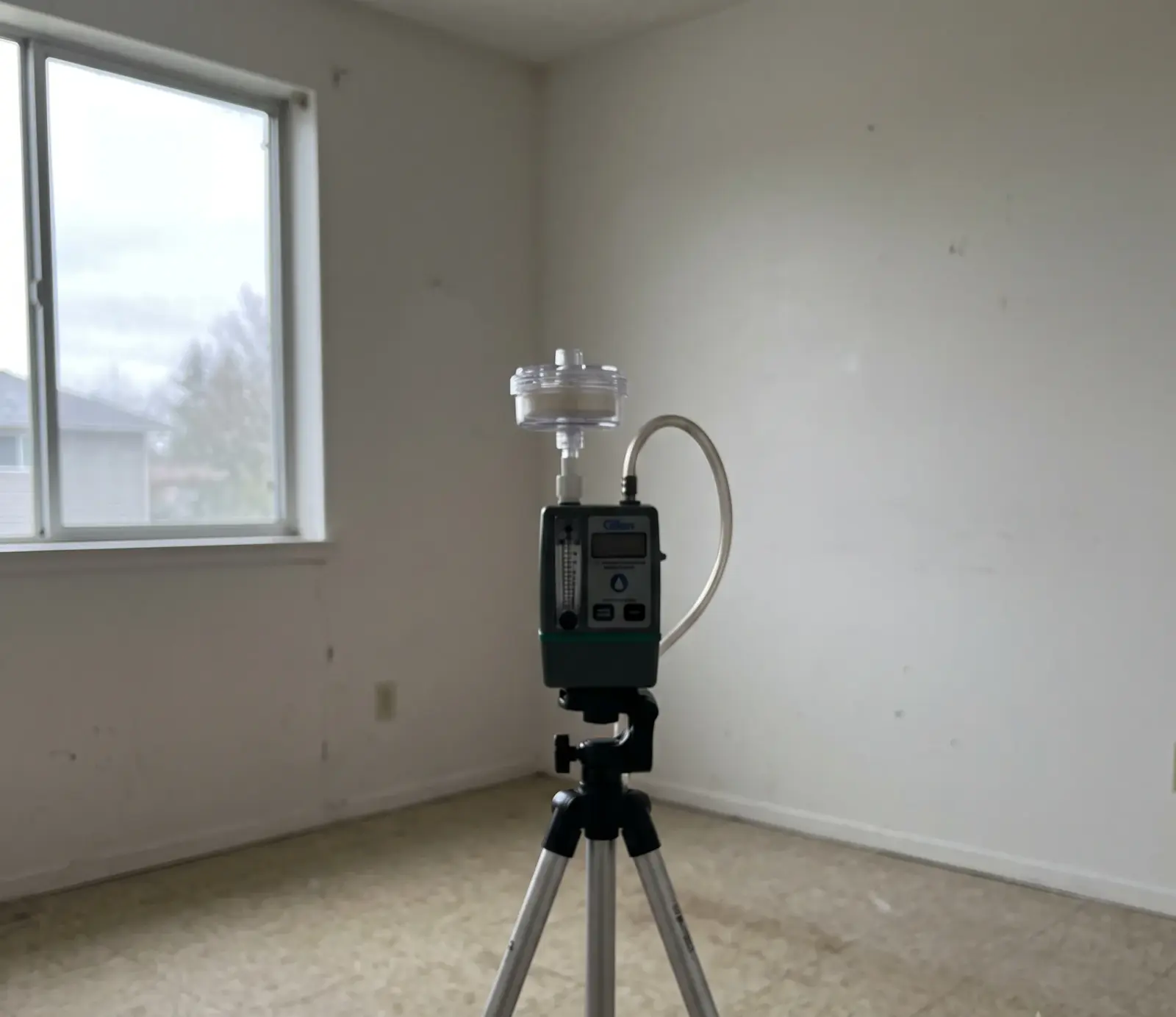
Moisture mapping and lab-tested air sampling before you decide on remediation.
Learn about Mold Inspection & TestingGlencliff · Hillsboro Village · Donelson · Green Hills · Bordeaux · Capitol Hill · Bellevue · Midtown
Downtown condo buildings don't have basements or crawl spaces, so water almost always comes from above: a burst supply line, a failed washing machine hose, or an overflow in the unit upstairs traveling down through the floor.
Yes. Downtown sits low near the Cumberland River, and Metro's stormwater department is clear that a property doesn't need to be inside a mapped flood zone to take on water from heavy rain and street-level runoff.
The pros we connect you with can reach downtown Nashville buildings near Broadway and the central business district quickly, including after hours, since condo emergencies like a burst line often can't wait until morning.
Most downtown buildings went up in the 2000s or later on slab or podium decks with municipal water and sewer, so there's no basement to pump out. The concern is drywall, flooring, and drainage on lower parking levels.
Downtown Nashville buildings are slab-on-grade or podium-built with no basement or crawl space, so water from a burst line or a roof or window leak spreads across hard flooring and drops straight into the unit below. The licensed pros we connect you with handle water loss inside individual units and shared building areas.
Humid Middle Tennessee summers give mold a head start once drywall or insulation stays wet past a couple of days. A musty smell in a closet or a soft spot near a baseboard is worth a same-week call, not a wait-and-see. Early drying is cheaper than a mold job later.
Every part of Nashville has its own relationship with water, shaped by how close it sits to the Cumberland River, how old the houses are, and what the clay soil underneath has done to the foundations over the years. That is true whether you are near Belle Meade or out toward Donelson. The licensed pros we connect you with take that into account before they touch anything. Call Now and let them know where you are so the response actually fits your street.
Call (615) 821-1762