Hotels & Hospitality
Hotels and short-term rentals in Nashville
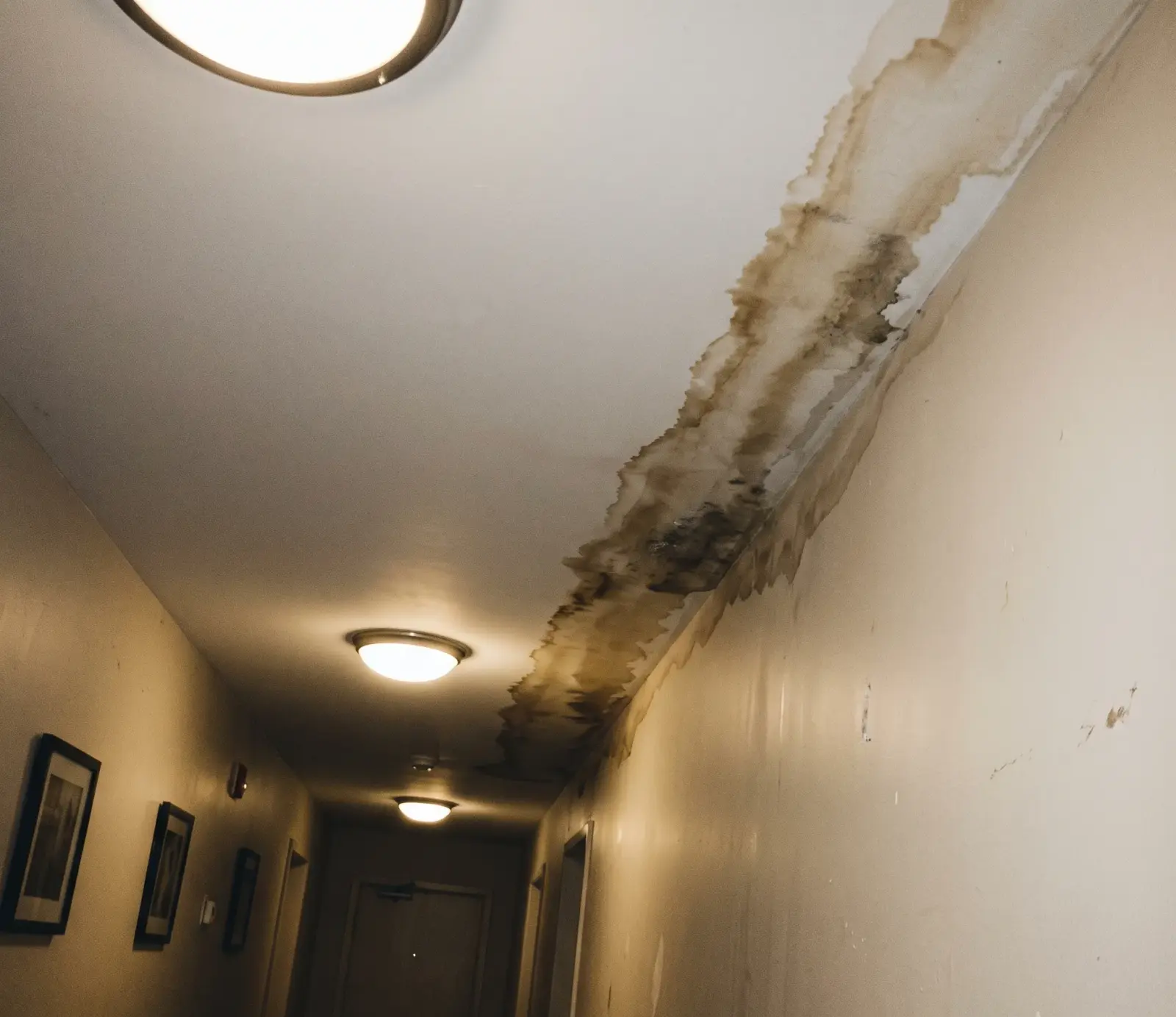
Fast leak response for Nashville multifamily properties, from The Gulch high-rises to Antioch garden apartments.
A leak in one Nashville unit becomes several units' problem fast. Water follows the path of least resistance through a shared wall or down a riser into the unit below, then into the corridor. Property managers need a fast response to limit tenant relocation, protect the lease schedule, and keep the building's common areas usable.
A leak in one unit rarely stays there. In a Nashville multifamily building, water follows the path a single-family home never has: through a shared wall, down a riser, into the corridor carpet, and onto the ceiling of the adjacent unit below. One slow leak can turn into a multi-unit claim before a property manager even gets the first call. The licensed pros we connect you with treat that spread as the emergency, not the original leak, moving fast to protect occupied units, common areas, and your tenant relocation costs.
Corridors and common areas complicate drying in ways a single-family home never faces. Fans and dehumidifiers have to run without blocking a fire exit or a tenant's daily path to their door, and Nashville's humid summer air works against you the longer moisture sits in a wall cavity. Building management needs a plan that keeps units occupied and leases intact, with tenant relocation used only when a unit truly cannot be lived in during drying.
Property managers juggling multiple buildings need someone who can assess every affected unit at once, not just the one that called first. The licensed pros we connect you with treat a multifamily loss as one job with several addresses, not several separate small jobs that happen to share a hallway.
A hard freeze in Middle Tennessee puts unheated risers and pipes running through exterior walls at real risk, and a single burst can send water down through two or three floors before anyone shuts off the supply. Corridor flooring and shared ceilings take the brunt of it, since that is where water travels once it leaves the wall cavity.
Flash flooding after a hard rain is its own separate problem for ground-floor and below-grade units, particularly in older Nashville buildings that were not built with today's drainage standards in mind. A unit near grade can take on water from outside while a unit upstairs is dealing with a plumbing failure at the same time, and both need attention on the same visit.
| Risk Point | Why It Spreads | Response Priority |
|---|---|---|
| Who gets hurt by one leak | One household | Every unit sharing that wall or riser |
| Where water travels | Stays inside one home | Drops through floors into units below |
| Who decides to call for help | The homeowner, right away | Property manager, tenant, or both at once |
| Access to the leak source | Owner lets crews in directly | May need entry into a locked adjacent unit |
| Drying setup | Equipment in one house | Equipment staged in corridor and several units |
| Who has to move out | One family, maybe | Tenant relocation across multiple leases if a unit is unlivable |
| Mold timeline pressure | One structure to dry out | Shared walls carry moisture to units nobody's watching |
| Cost of delay | One repair bill | Vacant-unit income loss stacked with repair and relocation costs |
An empty unit between leases is often the last one anyone checks. During turnover, a make-ready crew can leave a supply line untested or a water heater connection loose, and nobody notices until the unit below reports a stain on the ceiling.
Vacancy periods change how a leak gets found. In an occupied unit, a tenant usually reports water within hours. In a vacant unit waiting on turnover, days can pass, and days matter when drywall and subfloor are already wet.
Building management juggling several make-ready units at once needs a fast read on which ones are actually affected and which are fine. The licensed pros we connect you with can check adjoining units on the same trip, so a vacancy isn't the reason damage goes unnoticed until move-in day.
Warm, humid Middle Tennessee summers push mold growth quickly once drywall or carpet pad stays wet, and a shared wall between two units means moisture doesn't respect a lease line. If one side dries and the other doesn't, mold can establish in the wet side and eventually show up on the dry side too.
Tennessee has no dedicated state license for mold remediation the way some states do; mold work here falls under the general contractor licensing framework through the Tennessee Board for Licensing Contractors. What matters for a multifamily building is less the paperwork and more whether every affected unit, not just the one with visible staining, gets checked before it's called done.
A tenant standing in a wet apartment wants to know two things: when will this be fixed, and where do I sleep tonight. Tenant relocation decisions often fall to building management within hours of a loss, especially when a unit's flooring or ceiling isn't safe to occupy.
Nashville's rental market moves fast, and an apartment sitting damaged and unrentable is a cost every day it stays that way. Getting a clear scope of which units are affected, which are borderline, and which are untouched helps building management make relocation and lease decisions without guessing.
A loss that touches four units in a Nashville building isn't four small claims, it's one event with four different leases attached, and often four different insurance conversations. Getting the documentation right from the start matters more here than in a single-family home.
The licensed pros we connect you with keep a record for each unit involved, tracking what moisture readings showed and what work happened where. That record is what a property manager hands to an insurance adjuster or a tenant's own renter's policy when someone asks what happened and when.
Shared-wall and stack losses tend to raise questions about who's responsible for what, especially between a building's master coverage and an individual tenant's renter's policy. Clear, unit-by-unit records make that conversation shorter, whether it happens once or across every unit the water reached.
Water finds its own path through Nashville, whether it's Mill Creek climbing its banks in Berry Hill or a slab home in Antioch taking on runoff from clay soil that never really drains. The licensed pros we connect you with know Davidson County's older crawl spaces and its newer slab-built streets equally well, and show up fast in either one.Downtown Nashville, Midtown and 12 South. A hard freeze in Middle Tennessee catches a lot of Nashville homeowners off guard. Pipes crack in a crawl space nobody checked all winter, and the leak runs for days before anyone in Inglewood or Donelson notices the ceiling stain. The licensed pros we connect you with know that pattern and check for it first.
A hard freeze burst a pipe, or a storm off the Cumberland River backed up your street — either way, the water is already spreading into your floors. The licensed pros we connect you with get out fast, cut power to wet areas first, and start drying before your Nashville home's older framing and drywall soak up more than they can shed.A number on a screen doesn't tell you what's soaked or how far it traveled under your floors. Walk through the Sylvan Park or Inglewood house with the person who'll do the drying, point at what's wet, and get a price built off your rooms, not a stranger's guess from a phone call. pricing guide, and the commercial overview covers how a scheduled program works.
Hotels and short-term rentals in Nashville
Restaurants & Food Service in Nashville
Condo & HOA Properties
Get every unit checked, not just the one where the leak started. Water travels through shared walls, risers, and corridor flooring in Nashville apartment buildings, so a unit with no visible sign yet can still be wet behind the wall. Building management should have all adjoining units assessed the same day.
Usually not much. Most Nashville leases make the landlord or building management responsible for pipe failures, roof leaks and other building-side causes, while renters cover damage to their own belongings through renters insurance. If a tenant's action caused the loss, that split can shift. Check your lease and ask building management which policy applies to your unit.
Tenant relocation decisions belong to building management, but the pros we connect you with can advise on how long a unit needs to stay vacated for drying and repairs, and can document the affected unit and any adjacent units for the property's insurance claim.
Yes. A vacant make-ready unit between leases has no tenant to notice a slow leak, so water can sit for days and reach the corridor or the unit next door before building management finds it during a routine check.
If a unit, riser, or common area at your Nashville property has water damage, call now. The licensed pros we connect you with work directly with building management to move fast and keep tenants informed.
Call (615) 821-1762