Condo & HOA Properties
Condo & HOA Properties
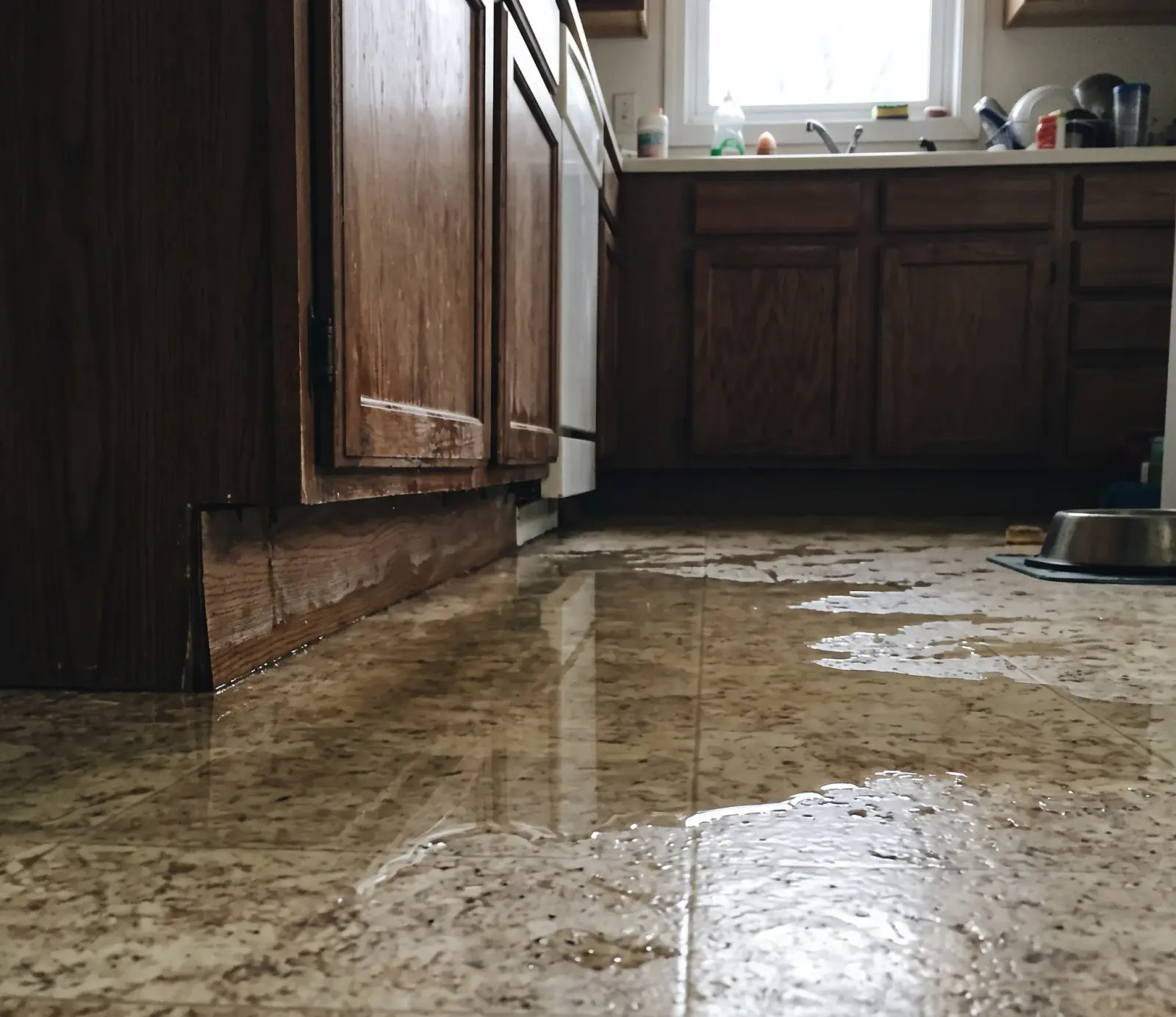
Fast response for kitchens and dining rooms near Broadway, 12 South, and Donelson
A restaurant with water damage near the kitchen or dining area should shut off the source, protect perishable inventory in the walk-in cooler, and call for extraction right away. Standing water near a grease trap or commercial hood area raises sanitation and cross-contamination concerns that a health inspector will look for before reopening.
A kitchen line or dish pit leak in Nashville rarely stays contained to one spot. Water tracks under equipment, along grout lines, and into the wall behind a walk-in cooler before staff notice. Grease mixed in from a trap or interceptor changes how the mess behaves and how it has to be handled, and a health inspector will care about that mix as much as about the water itself.
Standing water near a commercial hood, a walk-in cooler, or dry storage is not just a mess, it is a health code problem. A health inspector who shows up before the floor is dry can shut a dining room that was otherwise ready to open. Every hour of that closure in Downtown Nashville, The Gulch, or Midtown is lost revenue on top of the repair itself.
Restaurants across Nashville, from a small kitchen near 12 South to a larger dining operation near Music Row, share the same exposure: water and grease do not stay where they land. They travel into wall cavities, under flooring, and toward electrical runs behind cook equipment, and every hour that passes before extraction widens the area that has to be dried, tested, and cleared.
A grease interceptor failure or an overflowing grease trap is not the same job as a burst pipe in a house. The water carries fats and food residue, which changes how it has to be extracted and where it can spread cross-contamination risk across food storage and prep surfaces. The pros we connect Nashville kitchens with know to treat that water as contaminated from the start, not as plain water that happens to smell bad.
A walk-in cooler or freezer sitting on a wet floor is a second clock running alongside the water damage itself. If the compressor or wiring gets close to standing water, perishable inventory inside is at risk even before the unit fails outright. Getting water off that floor fast is as much about protecting food safety as it is about protecting the building.
| Area | Risk | Why Speed Matters |
|---|---|---|
| Kitchen line and cook area | Grease-carrying water fouls flooring fast | Health inspector can close the line |
| Walk-in cooler | Wet insulation risks losing perishable inventory | Full inventory loss within hours |
| Grease trap and interceptor area | Backup mixes grease with standing water | Cross-contamination risk near food storage |
| Dining area | Ceiling or floor leak over seating | Fewer tables, direct revenue hit |
| Dry storage and pantry | Cardboard and boxed goods wick water | Silent spoilage found late |
| Under commercial hood | Grease film traps moisture against surfaces | Slower drying, sanitation flagged |
| Restroom and handwash stations | Leak near handwashing sinks | Health code compliance question raised |
| Basement or crawl space storage | Slow leak reaches stored dry goods | Found only during inventory count |
A soaked kitchen floor near the walk-in cooler or grease trap is not a spot to leave standing. Water that sits under equipment in a Nashville restaurant invites cross-contamination and gives a health inspector reason to write up the space. The licensed pros we connect you with check flooring, storage areas, and the line for trapped moisture before anyone talks about reopening the dining area.
Flooring under cook lines and dish pits takes a different kind of damage than flooring in an office. Tile, sealed concrete, and the substrate underneath can trap water and grease residue that keeps a floor from passing a health inspector's look even after it appears dry on the surface. Drying has to reach what the eye cannot check.
Humid Middle Tennessee summers make this worse. A kitchen already running hot equipment and steam has less margin before trapped moisture under flooring or behind a hood line turns into a mold problem, which is a second closure risk stacked on top of the first.
Metro Nashville's Department of Codes and Building Safety does not require a permit to remove wet drywall, damaged flooring, or other clean-up work after a water event. That means extraction and initial drying in a Nashville kitchen can start immediately, without waiting on a permit, which matters when every hour of closure has a cost.
A permit is required before repairing electrical, plumbing, or mechanical systems, or before hanging new drywall behind a cook line. If a Nashville restaurant's damage reaches wiring near a hood system or plumbing under a three-compartment sink, that rebuild phase goes through Metro Codes before it is closed up, which is worth planning for early rather than at the end of the job.
A restaurant near the Cumberland River in a lower-lying stretch of the city, or a kitchen in an older building near Germantown built before code caught up with the area's clay soil, carries added exposure to slow leaks and foundation-related moisture. Neither is a reason to wait; both are reasons a kitchen floor should be checked as soon as anything feels off underfoot.
A dining area with carpet or upholstered booths, common in sit-down restaurants across Nashville, holds moisture differently than a hard-floored kitchen. Odor and mold risk in that seating area can develop even if the front of house never saw visible standing water, especially if it shares a wall or floor level with the kitchen behind it.
Every hour a Nashville kitchen stays closed is lost revenue and perishable inventory going bad in a warm walk-in. The licensed pros we connect you with treat the grease interceptor, hood area, and dining room as separate problems needing separate drying, so the health inspector sees a clean sanitation record instead of a longer shutdown.
Sanitation sign-off matters as much as dry readings do. A kitchen can be structurally dry and still fail a health inspector's review if grease residue or contaminated flooring was not addressed as part of the cleanup, not just the water.
Every Nashville restaurant is different, from a counter-service spot near Belmont University to a full kitchen near Nissan Stadium on an event night. The right response depends on the equipment involved, the flooring, and how contaminated the water is, which is worth discussing before assuming the job is routine.
Flash flooding after a hard rain isn't limited to the mapped floodplain along the Cumberland River. Metro's own stormwater guidance says any property, including blocks near Berry Hill or Wedgewood-Houston, can take on water from a swollen creek. Fast extraction matters more than which zone a house sits in.Green Hills, Bordeaux and Capitol Hill. A humid Middle Tennessee summer turns a damp crawl space into a mold problem fast, whether the house sits near Mill Creek or up in Hermitage. Tennessee has no separate mold license, so what matters is experience, not a certificate. The licensed pros we connect you with have handled it before.
A pipe bursting during a hard freeze near Green Hills or Donelson can dump gallons before anyone notices. The longer standing water sits in a humid Middle Tennessee summer, the faster damage spreads. Fast drying matters more than which room the leak started in.A number on a screen doesn't tell you what's soaked or how far it traveled under your floors. Walk through the Sylvan Park or Inglewood house with the person who'll do the drying, point at what's wet, and get a price built off your rooms, not a stranger's guess from a phone call. pricing guide, and the commercial overview covers how a scheduled program works.
Condo & HOA Properties
Hotels and short-term rentals in Nashville
Water damage in Nashville apartment buildings
No. Metro Nashville's own guidance says the clean-up phase, removing wet drywall or damaged flooring, does not require a permit. A permit is required before the rebuild phase: new drywall, electrical, plumbing, or mechanical work tied to a hood line or kitchen equipment. That split lets extraction start immediately.
Once water reaches food storage or a walk-in cooler, cross-contamination risk means most health inspectors expect spoiled or exposed inventory discarded, not salvaged. The licensed pros we connect you with can document losses for your claim while drying the space so new stock isn't at risk too.
Yes. A Nashville health inspector can shut down a restaurant kitchen after water damage if grease trap backup, contaminated flooring, or a flooded walk-in cooler creates a sanitation risk. The licensed pros we connect you with prioritize kitchens and dining areas to get food storage areas dry and documented, so you can reopen without a repeat inspection failure.
Response depends on when you call, not the hour. Restaurants near Berry Hill or East Nashville that catch a leak overnight can still reach the licensed pros we connect you with before the morning shift, which matters most for keeping the dining area usable by service time.
Water near your grease interceptor or dining area is a downtime problem, not just a mess. Call the number on this page and the licensed pros we connect you with can get extraction moving in your Nashville kitchen today.
Call (615) 821-1762