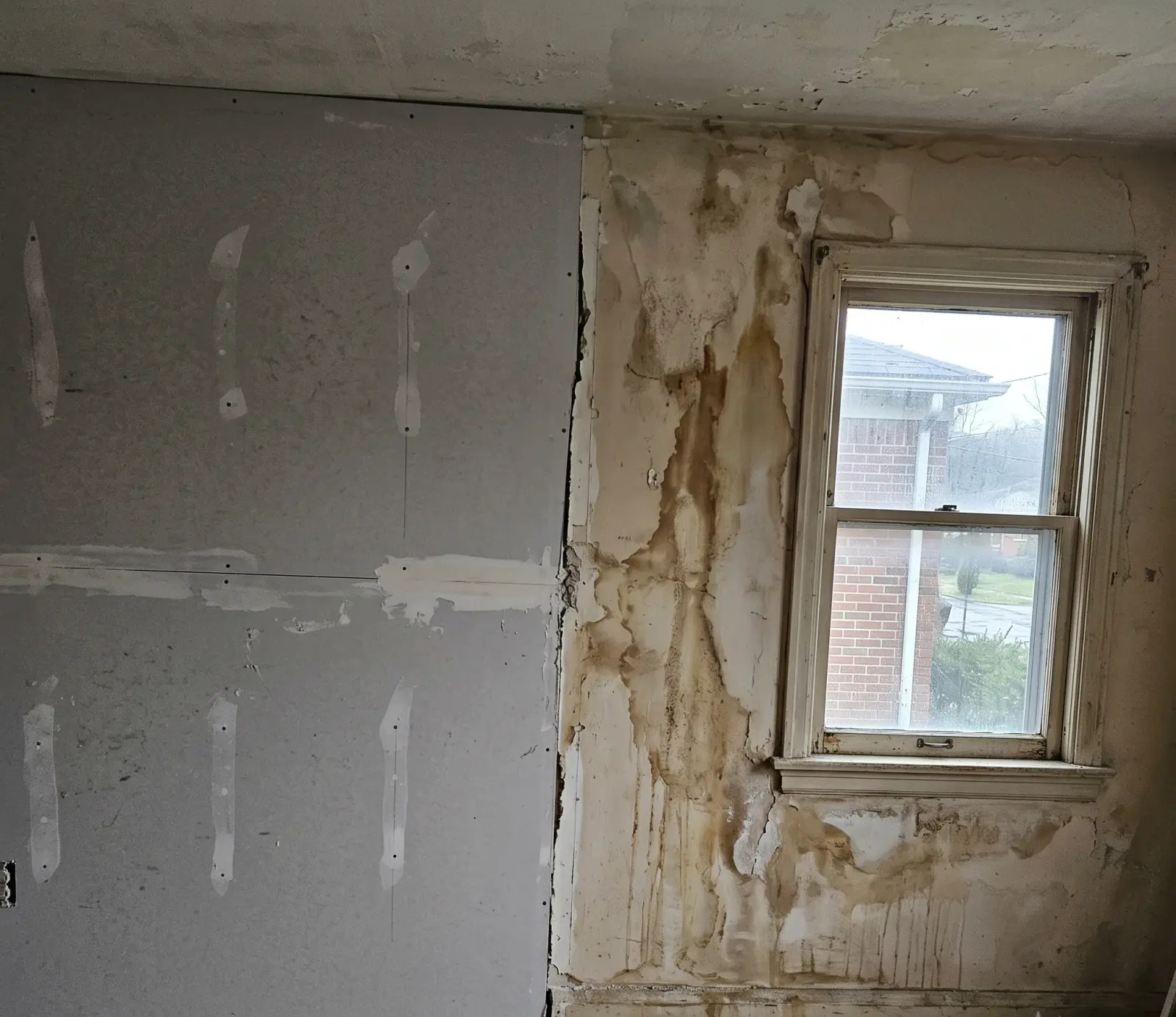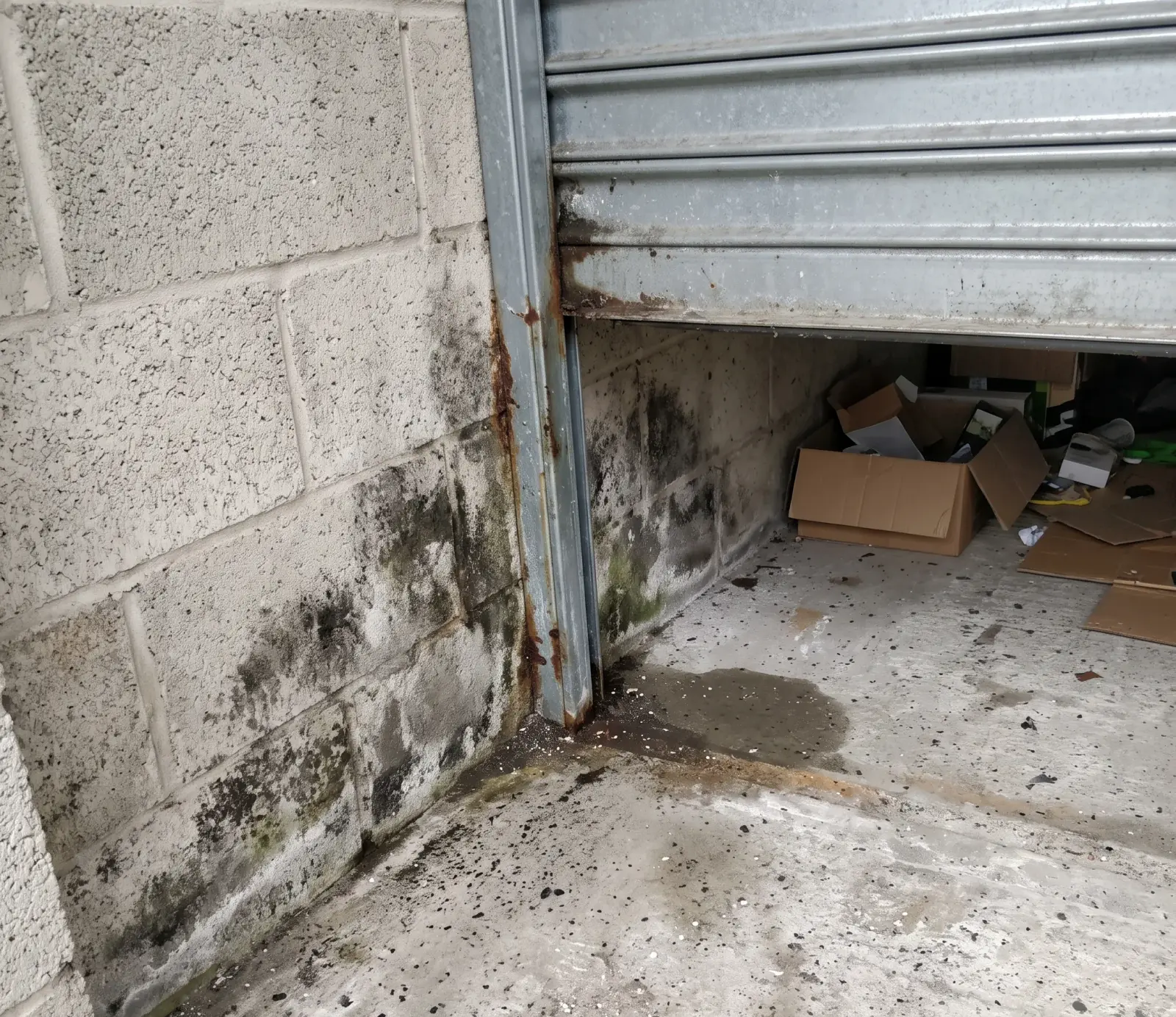
You pull up a search and the words are already scary: toxic mold, black mold, cancer. If you found a dark patch after a leak in your Nashville home, you want a straight answer, not a scare. Stachybotrys, the species people mean by black mold, is real, and it does matter. But the story around it is messier than most headlines let on.
What Stachybotrys Actually Is
Stachybotrys is one mold species among several found in homes, alongside Cladosporium, Penicillium, Alternaria, and Aspergillus. It's slimy and dark green-black, usually greasy-looking rather than fuzzy, and it grows on wet paper-backed drywall, ceiling tile, and cardboard. Species identification by eye is unreliable. A dark stain in a Nashville crawl space or ceiling could be Stachybotrys, or it could be one of the others.
Where The Toxic Mold Fear Started
The "toxic mold" label comes from mycotoxins, chemical compounds some mold species can produce under certain conditions. Stachybotrys is one of the species capable of producing mycotoxins, which is where its reputation comes from. But producing mycotoxins isn't the same as poisoning a house on contact. Whether a colony is actively making them depends on conditions that aren't easy to judge just by looking at a wall.
What Health Effects Are Confirmed
Stachybotrys chartarum earned the black mold label from news coverage decades ago, and the fear stuck harder than the facts did. What CDC actually documents is narrower: some people exposed to mold develop nasal congestion, throat irritation, coughing, or itchy eyes, and those with asthma or existing mold sensitivity can react more severely. That is a real pattern worth taking seriously in a Green Hills or Antioch home, just not the doomsday version.
Sorting Fact From Black Mold Myth
A common black mold myth is that Stachybotrys alone causes serious, permanent illness in anyone who breathes near it, while other household molds are harmless. That's not what the health effects data shows. Sensitivity varies a lot person to person. Someone with allergies or asthma may react to ordinary Cladosporium, while someone else tolerates a damp Nashville basement with little issue at all.
Why Species Alone Isn't The Point
EPA guidance is blunt about timing: materials that stay wet past roughly a day or two without drying out are already at risk of growth starting. In a humid Middle Tennessee summer, a slow leak behind a wall in Inglewood or a damp crawl space out toward Hermitage does not need weeks to turn into a colony. The clock that matters most is how fast standing water gets removed and the area actually dries.
Can You Test For It Yourself
Air quality testing and spore count sampling exist, but the EPA is clear that there's no federal number that defines a safe or unsafe level of airborne mold indoors. A lab can help confirm what species is present. It can't hand you a pass or fail score on its own. That's a judgment call, usually made alongside fixing the moisture problem, not a substitute for it.
Who Should Take It More Seriously
Not every household faces the same stakes. People with asthma, existing mold allergies, weakened immune systems, or chronic lung disease are named specifically by the CDC as facing more severe reactions, including lung infections in some cases. If anyone in a Nashville home fits that description, a dark patch after a leak near the Cumberland River or a slow crawl space leak is worth taking seriously sooner rather than later.
What Doesn't Prove Danger
A musty smell, a dark stain, or a patch of discoloration doesn't by itself tell you whether mycotoxins are present or whether the species is Stachybotrys. It tells you moisture got in. Homeowners in older parts of Nashville, including homes near Germantown or North Nashville built well before current code, often assume the darkest-looking patch is automatically the most dangerous one. Color alone isn't a reliable measure of risk.
What Actually Ends The Exposure
The EPA's own completion guidance isn't a lab number either. It's a checklist: the moisture source is fixed, visible mold and moldy odors are gone, indoor air is back in line with outdoor air if it was tested, and occupants can return without symptoms. That framing matters because it puts the fix, drying out the material and removing what grew, ahead of identifying the exact species involved.
When A Patch Is Worth A Second Look
A small spot on a bathroom ceiling tile is different from a spreading patch after flash flooding or a hard freeze burst a pipe. Size, location, and how long the area stayed wet matter more than color. A patch that followed standing water in a Nashville crawl space or a slow leak behind drywall has had time and food to grow, which is a different situation than surface mildew on tile grout.
Getting A Straight Answer On It
None of this replaces a look at the actual space. If a ceiling stain near Sylvan Park or a musty crawl space smell in Donelson has you wondering whether it is Stachybotrys or something more ordinary, the licensed pros we connect you with can identify what is growing and how far it has spread before anyone starts guessing from a photo online.
Dealing with this in your home?
Water shows up in Nashville homes for reasons that trace back to the ground itself. Clay soil under neighborhoods like Sylvan Park and Inglewood swells and cracks with the weather, opening paths for water into crawl spaces. Add flash flooding near Mill Creek and the Cumberland River, and a slab, crawl space or basement all fail differently. This page walks through why, and what a homeowner does next.