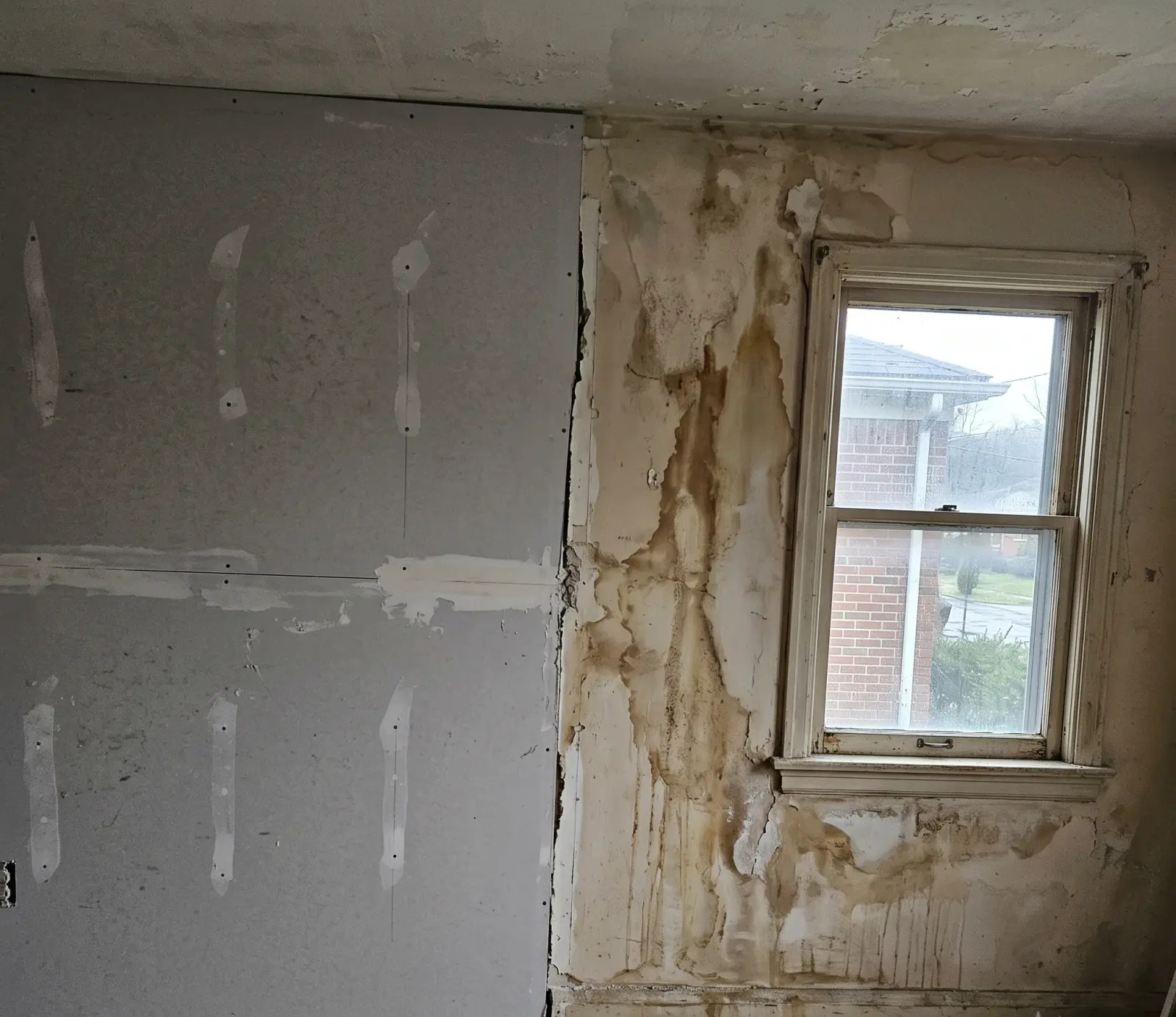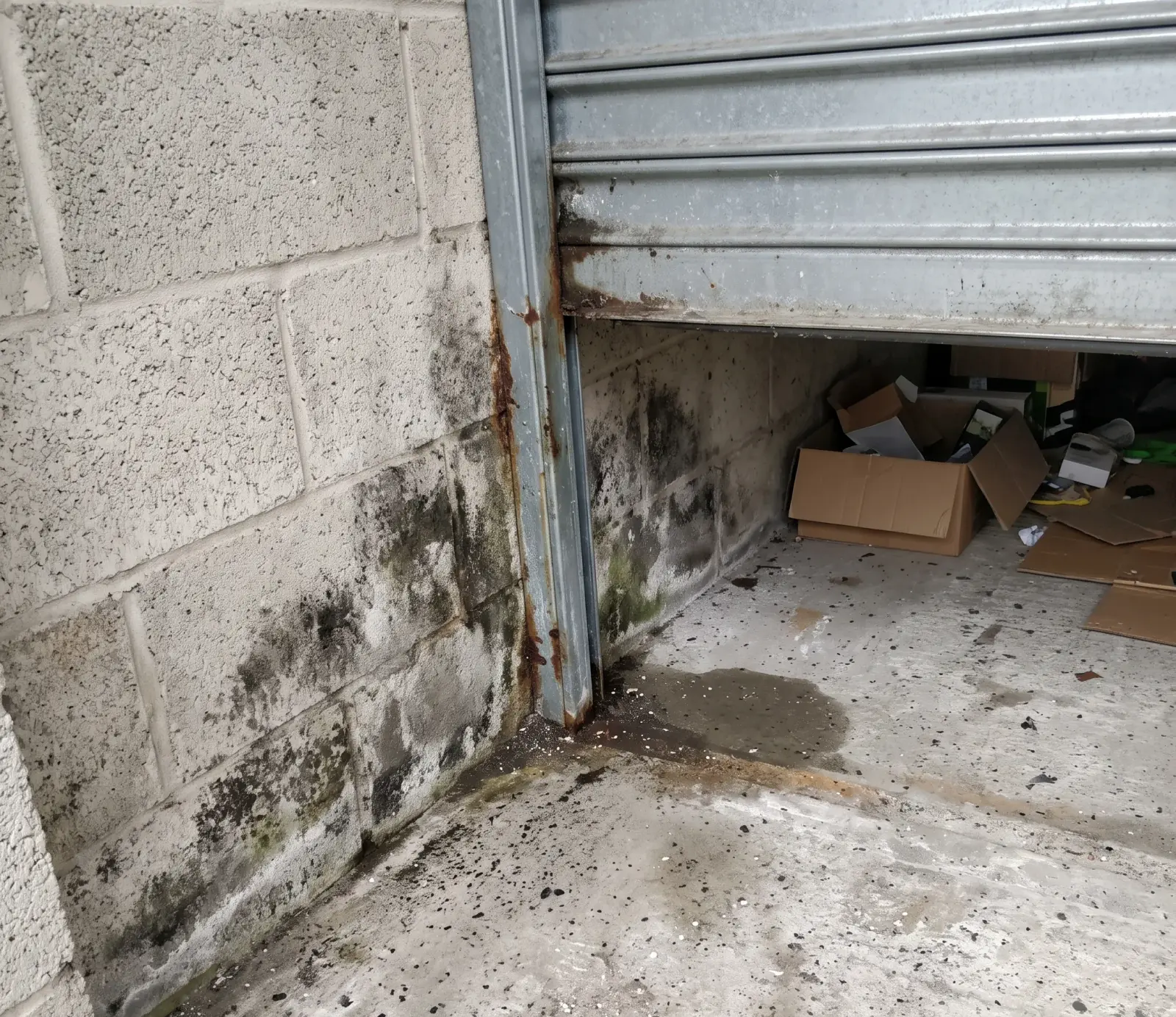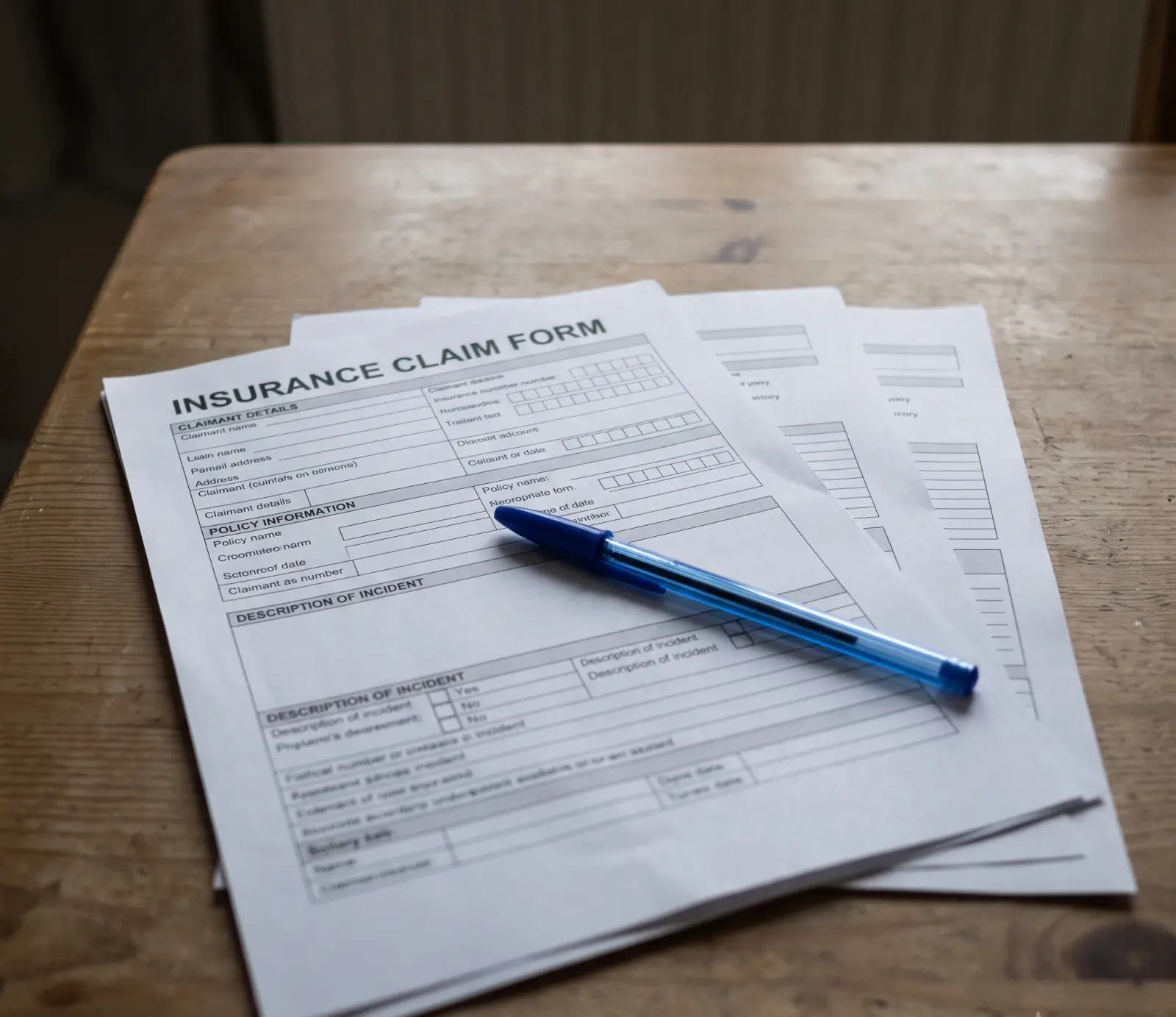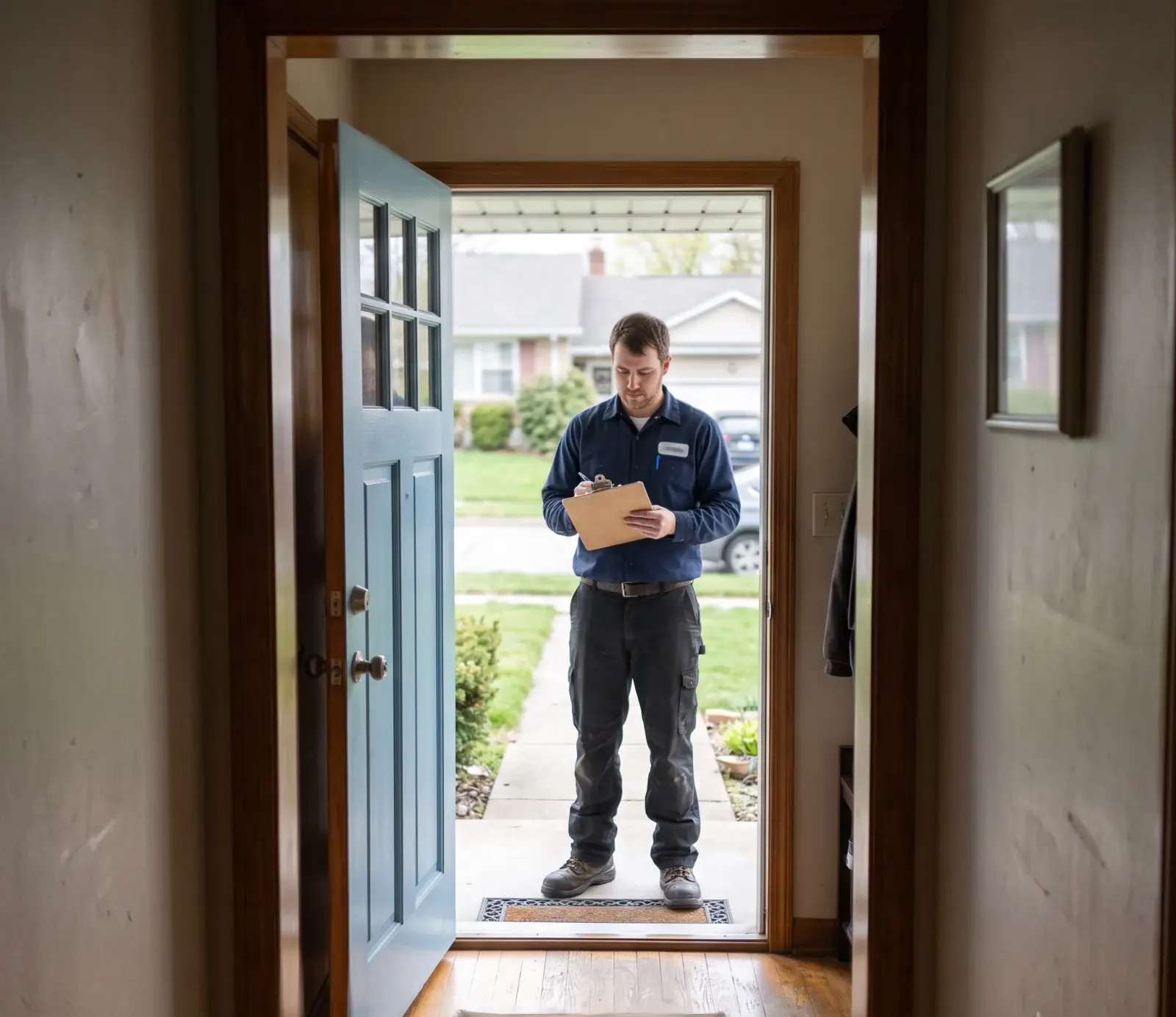
Water is already spreading across the floor and every minute matters more than getting it perfect. Before anyone from Belle Meade to East Nashville can send the licensed pros we connect you with, a few quick moves protect the house. Find the shutoff valve first. Then move wet items off the floor, check for an electrical hazard near outlets, and start building a photo record for the insurance claim.
Stop The Water Source
Once the water is off, move fast on the things you can still save. Lift wet items onto dry ground, and slide aluminum foil squares under furniture legs so wood and metal never sit directly on a soaked carpet in the meantime. A phone snapped now, room by room, becomes the photo record an adjuster will ask for later, so take it before anything gets moved out to the curb near Charlotte Pike or Nolensville Pike.
Cut Power, Not Corners
Standing water sitting on a floor in Germantown or Donelson keeps soaking into subfloor and drywall the longer it waits, so speed matters even before anyone arrives. Set furniture legs on aluminum foil squares to stop wood stain from bleeding into wet carpet. Open windows for ventilation if it's safe, since humid Middle Tennessee air makes everything dry slower than you'd expect.
Watch For Structural Warning Signs
A sagging ceiling, a bowed wall, or a floor that feels soft underfoot means the structure may be compromised, not just wet. Stay out of that room and keep others out too. This matters more in homes sitting on Nashville's clay soil, where shifting can already stress framing before a water loss ever adds weight to it.
Move What You Can Safely Reach
Once the water and power are handled, move wet items and dry belongings out of the affected area if you can do it without wading through standing water. Set furniture legs up on blocks or foil to keep wood and metal from staining or wicking more water. Aluminum foil works because it doesn't transfer moisture or color the way wood or cardboard blocks can.
Photograph Before You Touch Anything
Before you move or toss a single wet item, build a photo record of the damage: the water line on the walls, the source if you can see it, and anything ruined. Insurers and the licensed pros we connect you with will both want this record, and it's much easier to capture it now than to reconstruct later what a room in Belle Meade or East Nashville looked like an hour after the loss.
Get Air Moving Through The Space
Open windows and doors where it's safe to do so, and turn on fans if the power in that room is confirmed safe. Ventilation slows the humid Middle Tennessee air from turning a wet room into a mold problem, since mold can start growing on damp materials within one to two days. This step buys time until drying equipment arrives, it doesn't replace it.
Protect Yourself Before The Cleanup
Standing water in Nashville can carry more than it looks like, especially after backwater flooding from a swollen creek. Put on safety gear, boots and gloves at minimum, before you step into any wet area, and skip that room entirely if the water looks dark, smells foul, or came from outside during heavy rain.
Know What Not To Touch
Leave sagging drywall, wet insulation, and damaged electrical fixtures alone rather than pulling them down yourself. In Metro Nashville-Davidson County, the demolition and cleanup phase itself doesn't require a permit, but anything involving new drywall, electrical, plumbing, or HVAC repair does, so tearing into a wall now can complicate the rebuild step later.
Separate Salvageable From Ruined
Paper goods, particleboard furniture, and soaked carpet padding rarely survive a water loss, but solid wood furniture, some electronics, and hard-surface flooring sometimes do if dried fast. Sort as you go rather than guessing later, and set aside anything sentimental or valuable for the licensed pros we connect you with to evaluate before you decide it's a loss.
Track Time, Not Just Damage
Note when the water first appeared and when you shut off the source, since that timeline matters for drying decisions and for any claim you file. A pipe that froze overnight during a hard freeze behaves differently than a slow leak found days later in a Donelson or Antioch crawl space, and the pros arriving will ask.
When To Just Leave The Room
If you're ever unsure whether a room is safe, whether from electrical hazard, a weak floor, or water that's still rising, leave it and shut the door. No item in a Nashville home is worth a fall through a compromised floor or a shock from water-soaked wiring. The checklist above covers what's safe to do; a first responder or the licensed pros we connect you with can handle the rest.
Dealing with this in your home?
Water shows up in Nashville homes for reasons that trace back to the ground itself. Clay soil under neighborhoods like Sylvan Park and Inglewood swells and cracks with the weather, opening paths for water into crawl spaces. Add flash flooding near Mill Creek and the Cumberland River, and a slab, crawl space or basement all fail differently. This page walks through why, and what a homeowner does next.