If your Nashville home has ever had water damage, you can still sell it. Tennessee does not ban the sale of a house with prior damage. What matters is honesty on the disclosure form. Buyers from Germantown to Antioch expect an older home to have some history. What causes trouble later is not the damage itself, it's leaving it off the paperwork.
What Seller Disclosure Actually Covers
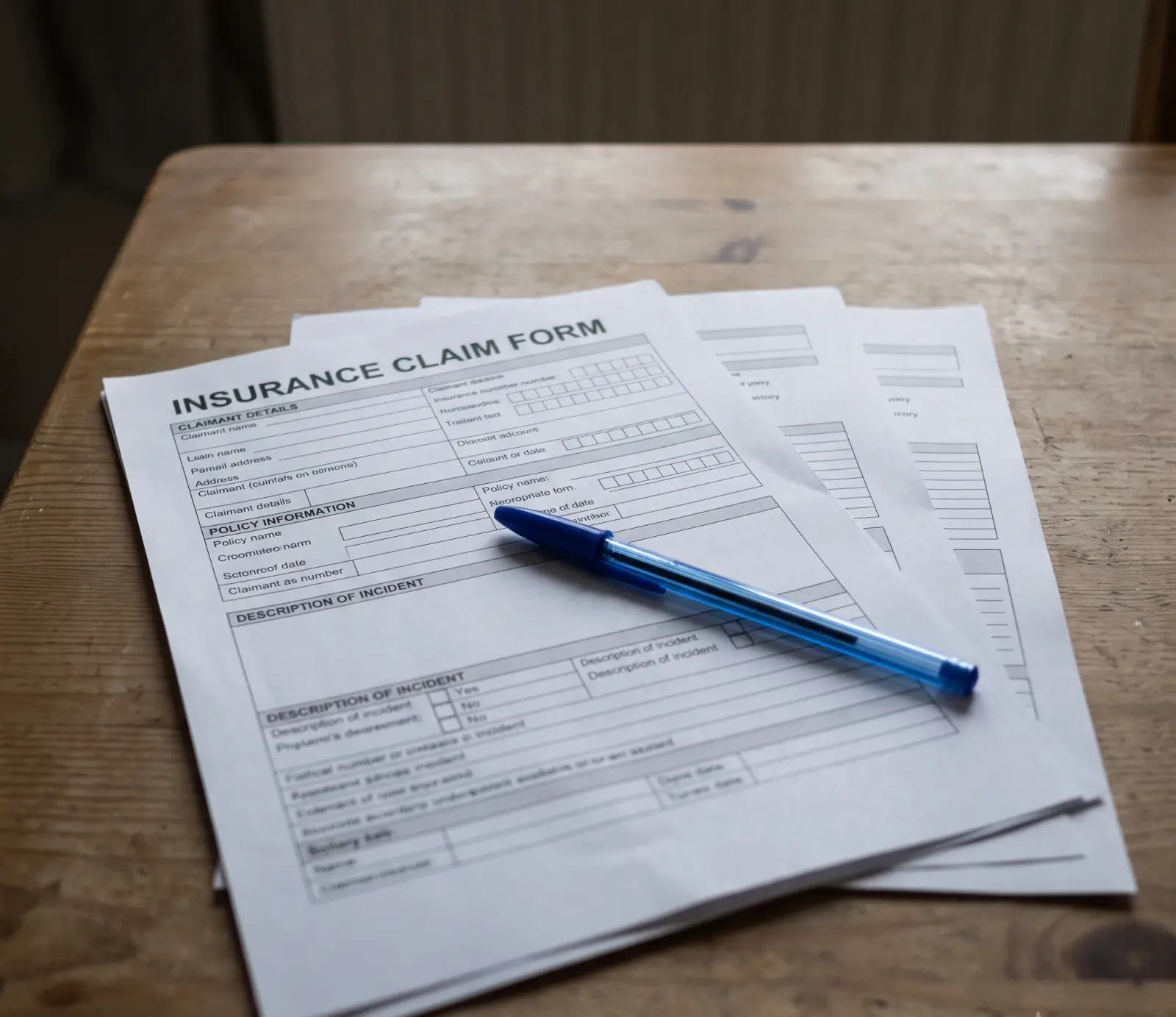
Tennessee real estate transactions generally involve a seller disclosure form, where you describe known conditions of the property, including past water intrusion. This form exists so a buyer in a Nashville real estate transaction can make an informed decision. Skipping a known issue, rather than the issue itself, is usually what turns into a legal problem after closing.
Prior Water Damage As A Material Defect
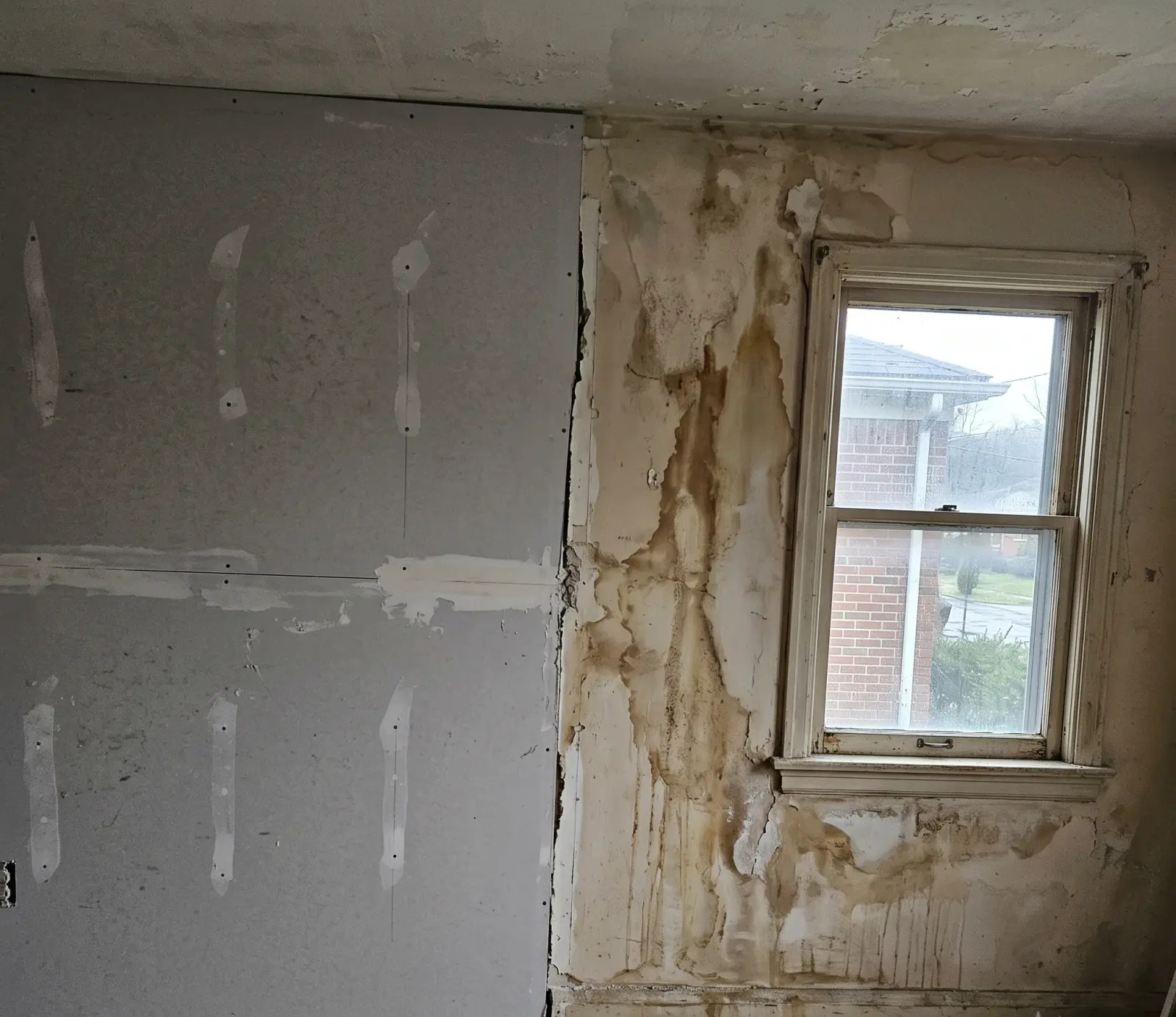
A material defect is a condition that affects the value or safety of the home, or that a reasonable buyer would want to know about before making an offer. Past flooding in a crawl space, a leak that reached drywall, or a soaked basement in an older Sylvan Park or Inglewood home generally counts. If it happened and you knew, it likely belongs on the form.
Mold History And What To Say
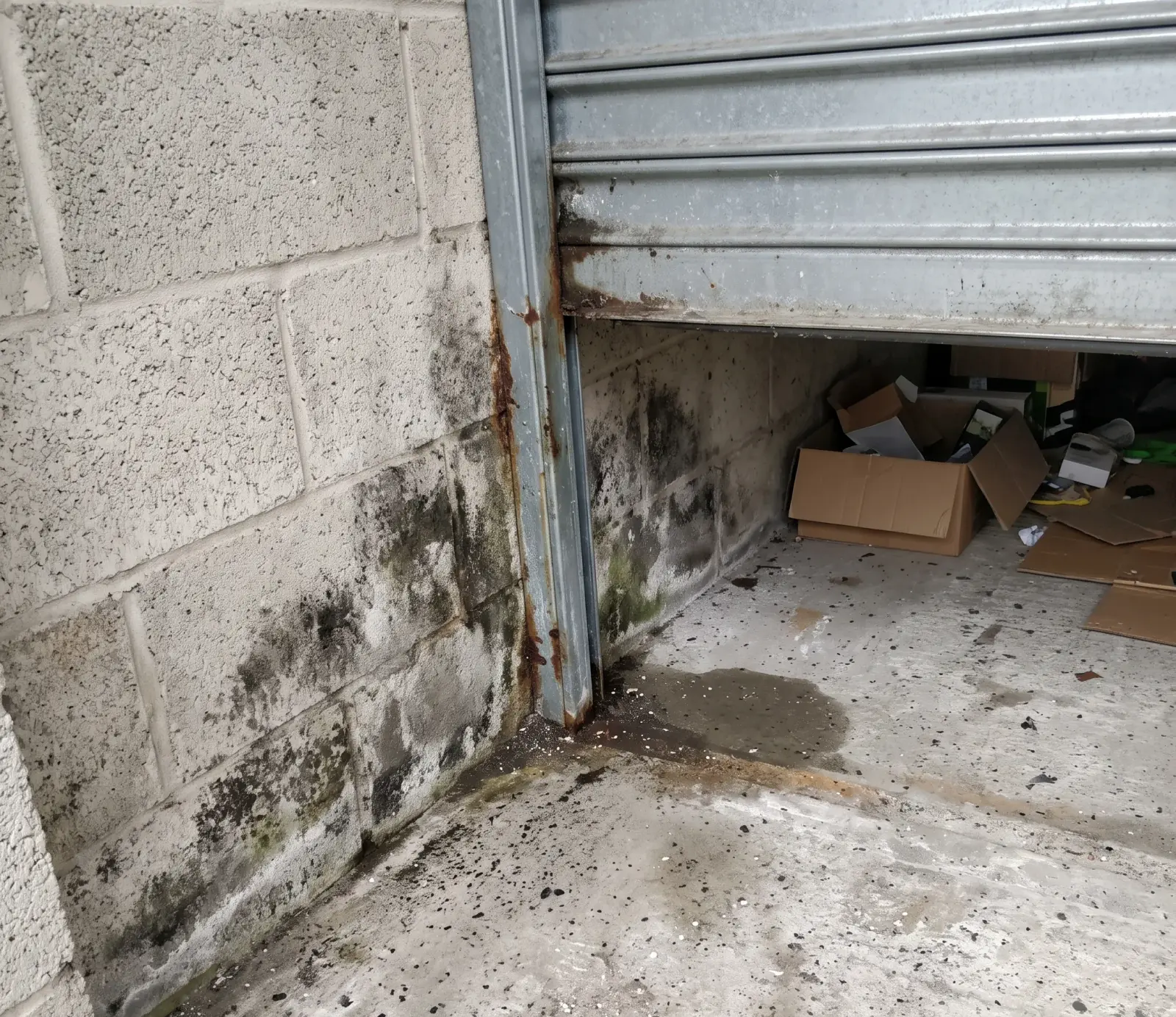
Mold history deserves its own line, separate from the water event itself. If mold ever showed up after a leak or flood, note it, even if it was cleaned up. Humid Middle Tennessee summers make mold return without warning if moisture is still trapped somewhere in the walls or under the floor. Disclosing past mold history, not hiding it, protects you at closing.
Latent Defects You Cannot See
A latent defect is damage a buyer cannot see just by walking through the house. Water that soaked into subfloor in a 12 South bungalow or behind a wall in a Green Hills split-level might be invisible until an inspector opens something up. If you know about it, it is not latent to you anymore. That is exactly what disclosure exists to surface.
As-Is Sales Do Not Erase Disclosure
Selling a Nashville property as-is does not remove your duty to disclose known problems. An as-is sale means the buyer accepts the home's current condition and you are not agreeing to make repairs. It does not mean you can leave a known water event or mold history off the disclosure form. Those are two separate parts of the deal.
What A Buyer Inspection Turns Up
A buyer inspection often finds what a disclosure form left out. An inspector walking a crawl space in Donelson or a basement in West Meade may spot staining, a musty smell, or warped subfloor tied to an old leak. If that inspection report contradicts your disclosure, the sale can stall, or the buyer can walk, right when you thought you were near closing.
Repair Records Help Your Case
If your home in Belle Meade or East Nashville had water damage repaired properly, keep the paperwork. Invoices, drying records, and any notes from the licensed pros we connect you with show the problem was addressed, not just painted over. That property history can reassure a buyer far more than silence ever will.
Misrepresentation And What It Risks
Misrepresentation means stating something false, or leaving out something material, on the disclosure form. In a Nashville real estate transaction, a buyer who discovers hidden water damage or mold history after closing may have grounds to pursue you for what wasn't disclosed. Accurate disclosure up front is a far shorter path than that dispute later.
Neighborhoods Where This Comes Up Often
A buyer's home inspector in Nashville can flag stained subfloor near Mill Creek or a musty crawl space in an East Nashville bungalow long after repairs looked finished. Tennessee disclosure law asks sellers to report what they actually know, not to guess. If a past leak was fixed and no mold history remains, say so plainly on the form rather than leaving the question blank.
Getting Ready Before You List
Before you list, walk through what you actually know. Any past leak, any flash flooding after a hard rain that reached the house, any mold you dealt with, write it down plainly. Pull together repair records if you have them. A clear, complete disclosure form is less work now than answering questions from a buyer's attorney after closing.
Talking To Your Real Estate Agent
Your real estate agent has handled disclosure forms before and can tell you what belongs on yours. Bring them everything, even the small stuff, and let them tell you what's relevant to a Nashville sale. Underselling your home's water history to an agent only means it surfaces later, at a worse time, in front of a buyer instead of a professional.
Dealing with this in your home?
Water shows up in Nashville homes for reasons that trace back to the ground itself. Clay soil under neighborhoods like Sylvan Park and Inglewood swells and cracks with the weather, opening paths for water into crawl spaces. Add flash flooding near Mill Creek and the Cumberland River, and a slab, crawl space or basement all fail differently. This page walks through why, and what a homeowner does next.