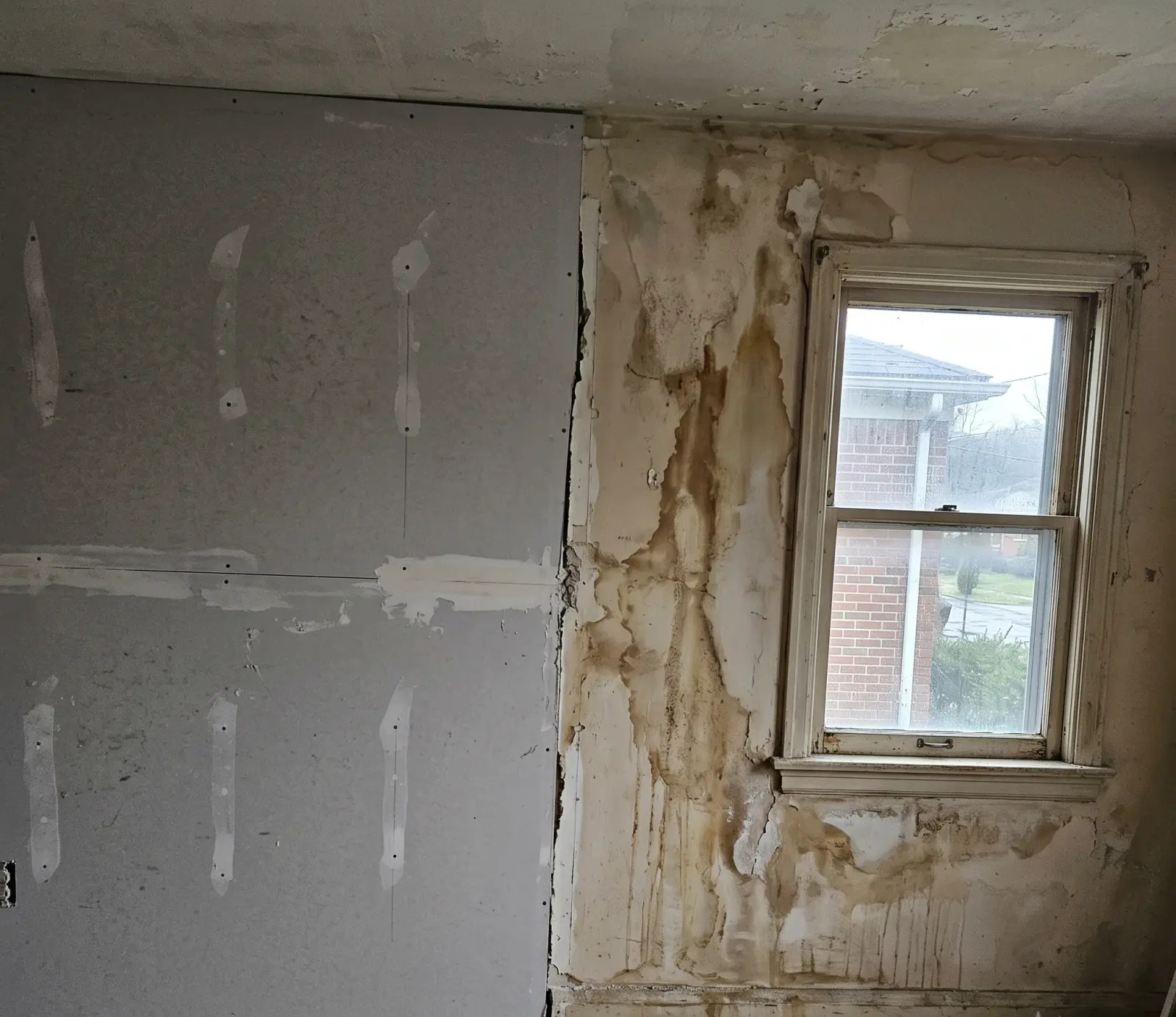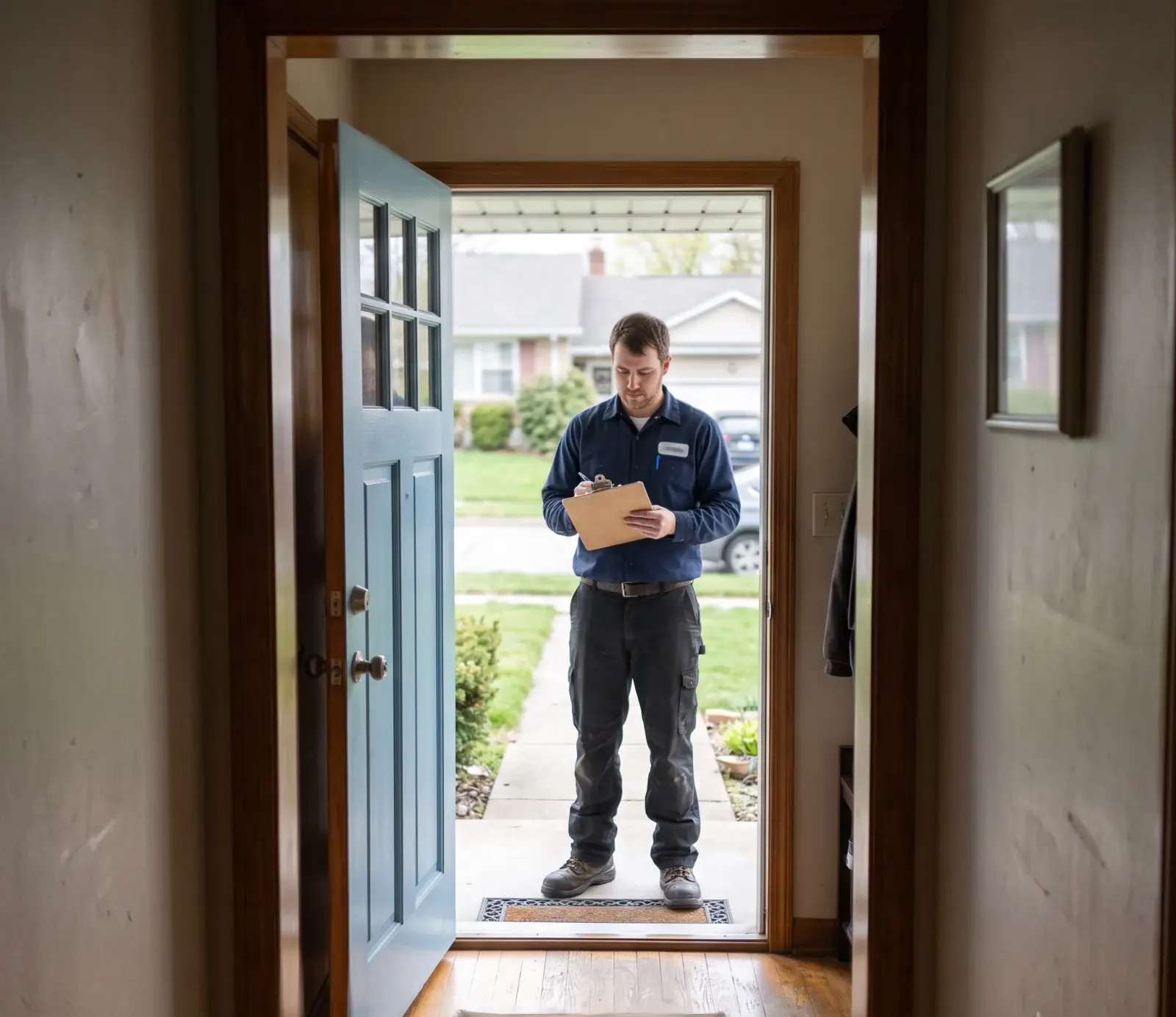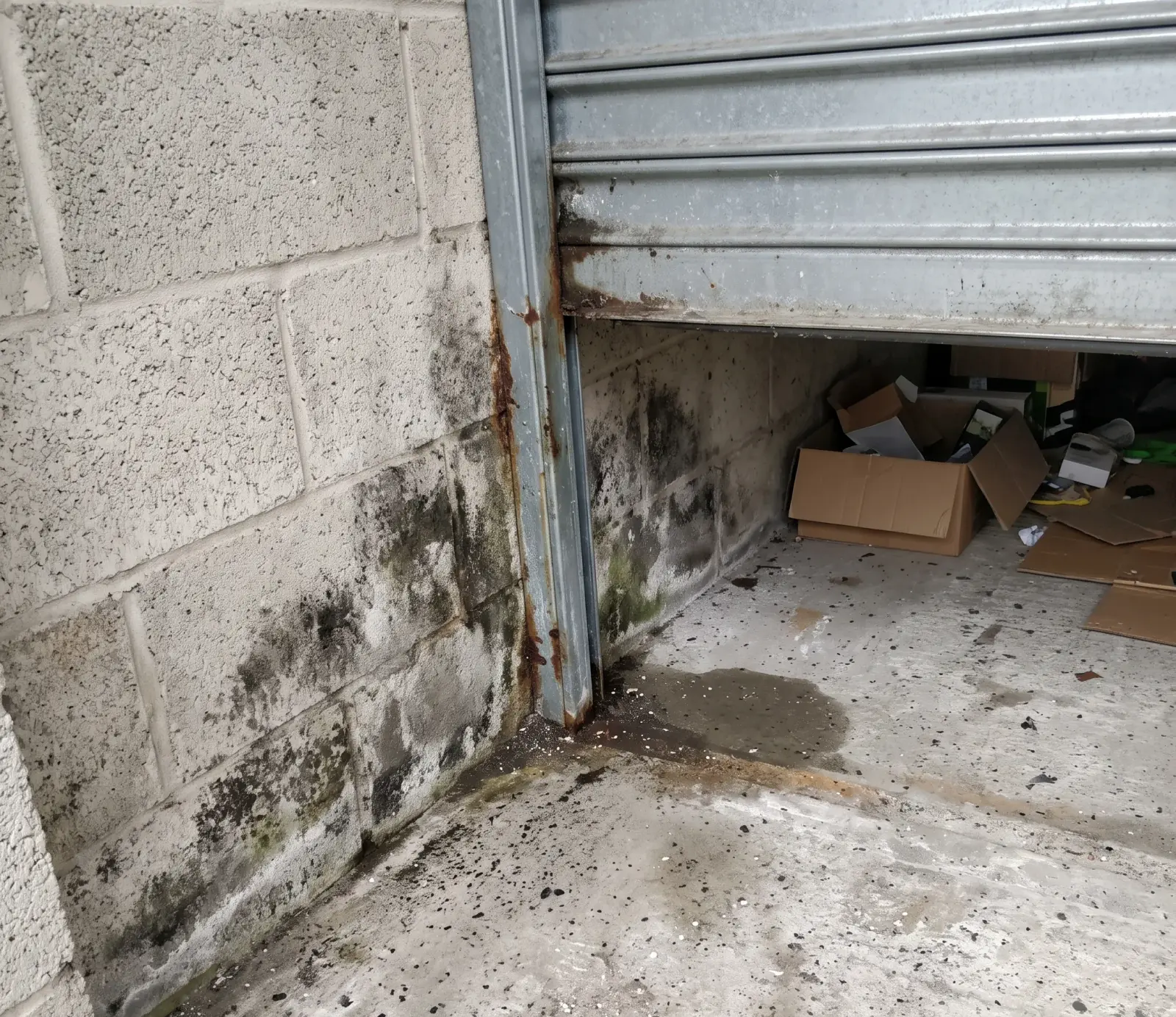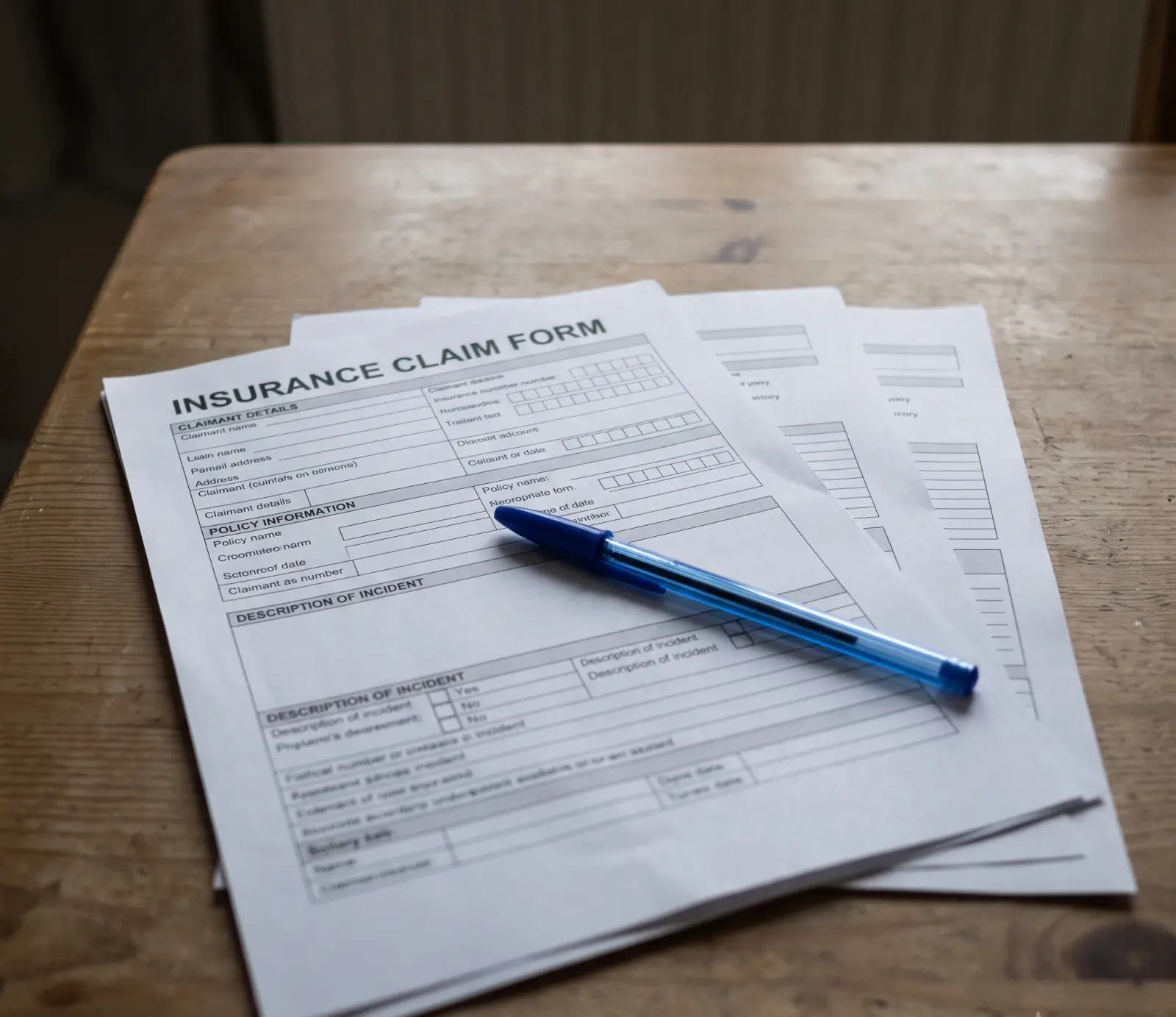
Before anyone starts pulling wet drywall or hauling out ruined furniture, slow down long enough to document what the water did. Insurers in Nashville lean on photo and video proof more than they lean on your description of the damage. A phone is enough. What matters is doing it in order, before cleanup starts, so the record shows the affected area the way the water actually left it, not the way it looked after someone started fixing it.
Start With a Wide Shot
Before moving a single damaged item, stand in the doorway of each affected area and take a wide shot of the whole room. Do this from more than one angle if the room is large. A wide shot shows water lines on the wall, how far the water traveled, and what furniture sat where before anyone touched it.
Move Into Close-Up Photos
After the wide shots, move in for a close-up photo of every damaged surface: warped flooring, bubbled paint, stained ceiling tile, buckled baseboard. Get close enough that the damage is unmistakable, but keep at least one photo that still shows the surrounding wall or floor for context.
Take a Moisture Reading Log
If a moisture meter is available, write down a moisture reading for each affected area, not just a general note that it was wet. A reading taken in a hallway in Sylvan Park means little without the room and surface it came from. Note the date and location next to each number as you go.
Record a Video Walkthrough
A video walkthrough fills in what still photos miss: the sound of water underfoot, standing puddles, a sump pump running nonstop, or a musty smell you can describe out loud as you walk. Narrate the room name and date as you film so the file makes sense weeks later without needing memory to fill gaps.
List Every Damaged Item
Build an inventory list of every damaged item as you find it: furniture, rugs, electronics, boxes stored in a crawl space or closet. Write down what each item is, roughly how old it was, and where it sat in the home. This list matters more the longer cleanup takes, since memory fades fast once items are gone.
Keep the Serial Numbers
For anything with a serial number, appliances, electronics, an HVAC unit, write it down or photograph the tag directly. A serial number ties a specific damaged item to a specific purchase, which matters far more than a general description once someone is trying to match a loss to a claim.
Save Every Receipt You Can
Dig up any receipt you still have, even a faded one from a drawer, for higher-value damaged contents. A receipt confirms purchase price and date in a way memory cannot. No receipt for something old is common; note the approximate purchase year instead rather than leaving the item off the list entirely.
Timestamp Everything You Shoot
Every photo and video needs a timestamp, either the camera's automatic one or a note written by hand in a photo of a clock or a dated newspaper page held in frame. A pile of undated photos of a flooded Germantown basement is far less useful than the same pile with dates attached to each one.
Back Up the Files Twice
Once photos and video are taken, move them off the phone the same day. Email them to yourself, upload them to cloud storage, or copy them to a computer, ideally more than one digital backup in more than one place. A phone that gets dropped, lost, or waterlogged during cleanup should not be the only copy that exists.
Watch the Chain of Custody
Keep track of who has handled the documentation from the moment it was captured: who took the photos, who holds the originals, who it was shared with and when. This chain of custody matters if the same photos end up reviewed by more than one party later, since unexplained gaps invite questions about what changed.
What to Do With It All
Documentation is not a one-time task you finish and forget. As drying continues, keep tracking moisture readings and add new photos if damage spreads to another room or a ceiling starts showing a stain days later. Store everything as a digital backup, not just on one phone that could get dropped in the same water. A thorough, dated record, kept from the first hour to the last repair, is what turns a disputed claim into a straightforward one.
Dealing with this in your home?
Water shows up in Nashville homes for reasons that trace back to the ground itself. Clay soil under neighborhoods like Sylvan Park and Inglewood swells and cracks with the weather, opening paths for water into crawl spaces. Add flash flooding near Mill Creek and the Cumberland River, and a slab, crawl space or basement all fail differently. This page walks through why, and what a homeowner does next.