A musty odor in a Nashville home usually starts with moisture, not dirt. The humid Middle Tennessee summer pushes relative humidity indoors, and older homes on crawl spaces near the Cumberland River or Mill Creek pick up that damp, mildew smell fast. This page walks through when a musty odor is normal dampness and when it points to hidden mold behind a wall or under a damp carpet.
Where The Smell Starts
Most musty odors trace back to one moisture source: a crawl space with poor ventilation, a leaky window near Belmont-Hillsboro or Germantown, or condensation on cold pipes after a hard freeze. Warm, humid air meets a cooler surface and beads up as water. That water sits, organic growth begins, and the smell follows within a day or two.
Normal Damp Vs Hidden Mold
A faint mildew smell after a rainy week in East Nashville or Inglewood can be ordinary dampness that clears once the air dries out. A musty odor that lingers for weeks, gets stronger in one room, or comes back after you air the house out usually means hidden mold is feeding on a moisture source somewhere out of sight.
Crawl Spaces And Humidity
That musty smell in a Nashville home is usually microbial VOCs, the gas given off as mold or mildew digests damp material. It shows up most in a humid Middle Tennessee summer, when relative humidity climbs and air circulation drops in closed-up rooms. A crawl space, a closet against an outside wall, or a room near Mill Creek with poor ventilation are common starting points. The smell itself is a moisture source announcing itself before you can see it.
Bathrooms And Air Circulation
Bathrooms without a working exhaust fan build up condensation on tile, grout, and drywall every time someone showers. Weak air circulation lets that moisture linger instead of clearing out. Over months, a mildew smell settles into the grout lines and the wall behind the tub, even in newer construction around The Nations or Wedgewood-Houston.
The HVAC System's Role
An HVAC system that runs constantly through a humid Middle Tennessee summer pulls moisture out of the air, but a dirty coil, a clogged drain line, or a duct running through an unconditioned crawl space can grow its own musty odor. If the smell gets stronger right when the air handler kicks on, the source is likely inside the system itself.
Damp Carpet And Padding
Normal dampness usually fades once a Nashville house airs out or the HVAC system runs a dry cycle. A smell that lingers past a day or two, gets stronger in one specific room, or comes back after cleaning points to hidden mold rather than passing condensation. Homes near the Cumberland River or in low-lying spots like Metrocenter see this more often, since ground moisture works into a crawl space slower than a visible leak, staying out of sight while the odor builds.
When A Dehumidifier Helps
A dehumidifier can control ordinary humidity in a crawl space or basement and stop a mild mildew smell from forming in the first place. It will not fix a musty odor that already comes from hidden mold behind drywall or under damp carpet. In that case, the moisture source has to be found and dried before any odor treatment matters.
Signs Worth A Closer Look
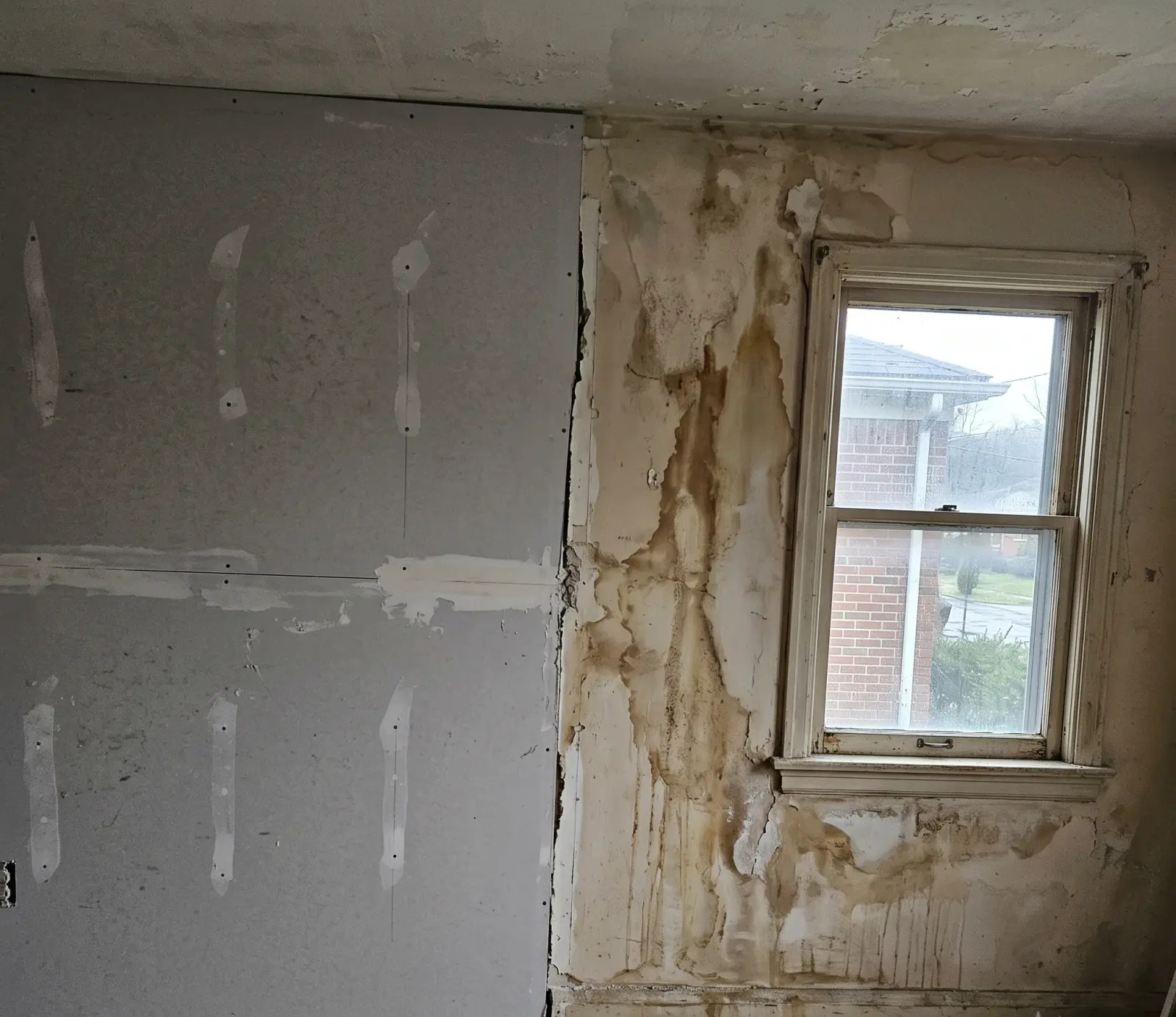
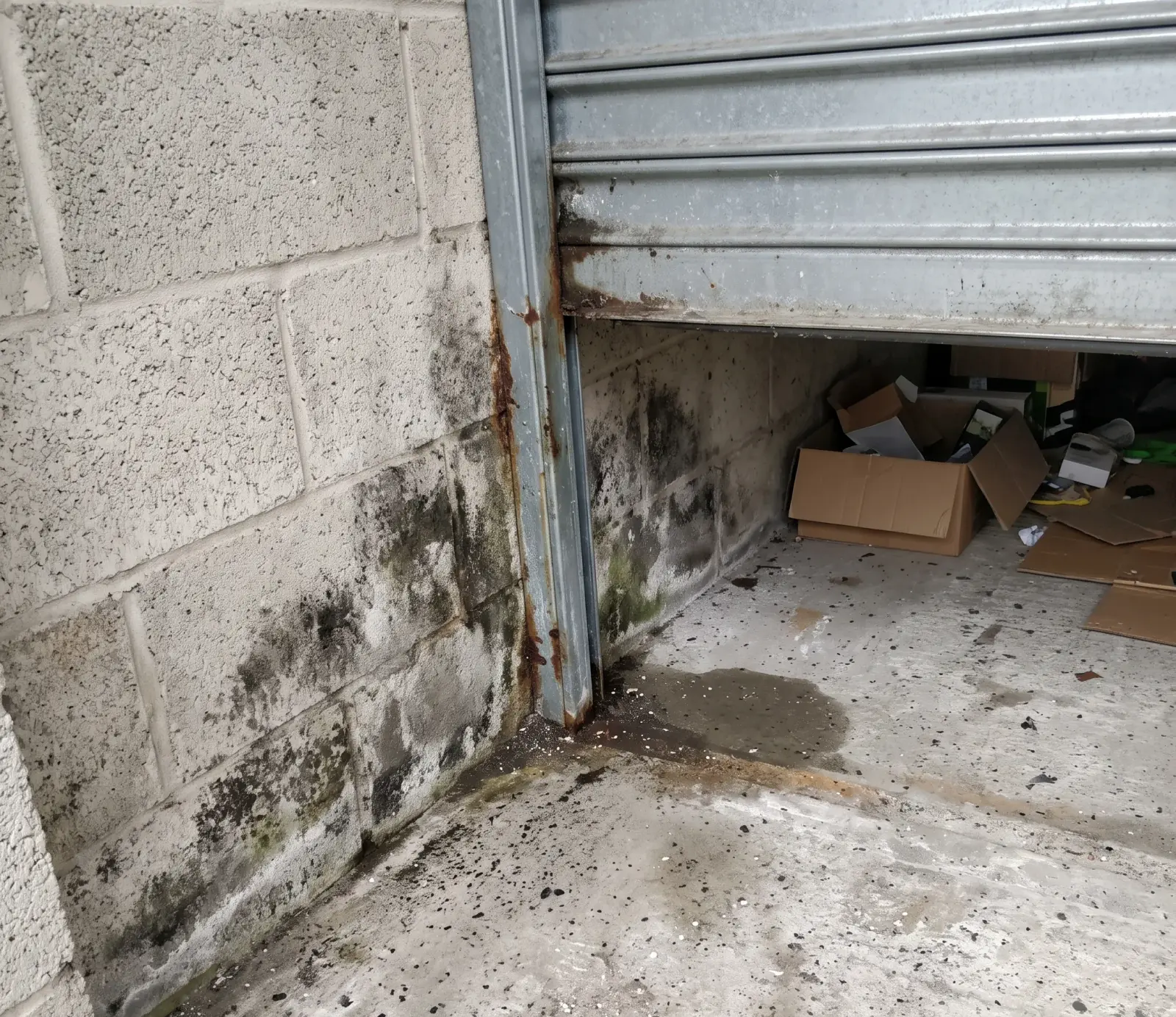
A musty odor tied to a visible water stain, a soft spot in flooring, peeling paint, or a spike after any flash flooding after a hard rain is worth a closer look. So is a smell that is stronger in one specific room, a recent history of a slow leak, or a home near low-lying ground close to the Cumberland River.
Older Homes And The Clay Soil
Check the usual damp spots first: under sinks, along exterior walls in East Nashville bungalows, and inside crawl spaces common in older Bordeaux homes. Feel for damp carpet, look for dark spotting on drywall, and note whether a dehumidifier or window unit ever runs in that room. Poor ventilation lets a small moisture source turn into organic growth over weeks. If the odor is strongest where air barely moves, that room is where the moisture is actually coming from.
What Fixing The Source Means
Fixing a musty odor at the source means finding where moisture is getting in, not just masking the smell. That could mean sealing a crawl space, repairing a slow leak, improving air circulation in a bathroom, or clearing an HVAC drain line. Once the moisture source is gone, a lingering mildew smell usually fades on its own within days.
When To Call For Help
A musty odor after a hard rain often means damp carpet or crawl space air is circulating through the HVAC system faster than it dries. Nashville's humid Middle Tennessee summers push relative humidity up, and poor ventilation traps it. If the smell fades once you run a dehumidifier and open windows, it's ordinary condensation. If it lingers past a few days, or gets stronger near a wall in Sylvan Park or Inglewood, the moisture source is likely hidden mold, not just dampness.
Dealing with this in your home?
Water shows up in Nashville homes for reasons that trace back to the ground itself. Clay soil under neighborhoods like Sylvan Park and Inglewood swells and cracks with the weather, opening paths for water into crawl spaces. Add flash flooding near Mill Creek and the Cumberland River, and a slab, crawl space or basement all fail differently. This page walks through why, and what a homeowner does next.