A pipe bursts or a storm rolls through Nashville, and the water you can see is only part of the story. Water travels inside walls, under floors, and through crawl spaces long after the puddle is gone. This page walks through the quiet clues homeowners in Davidson County miss, so a small leak does not turn into a bigger repair.
Paint That Bubbles Or Peels
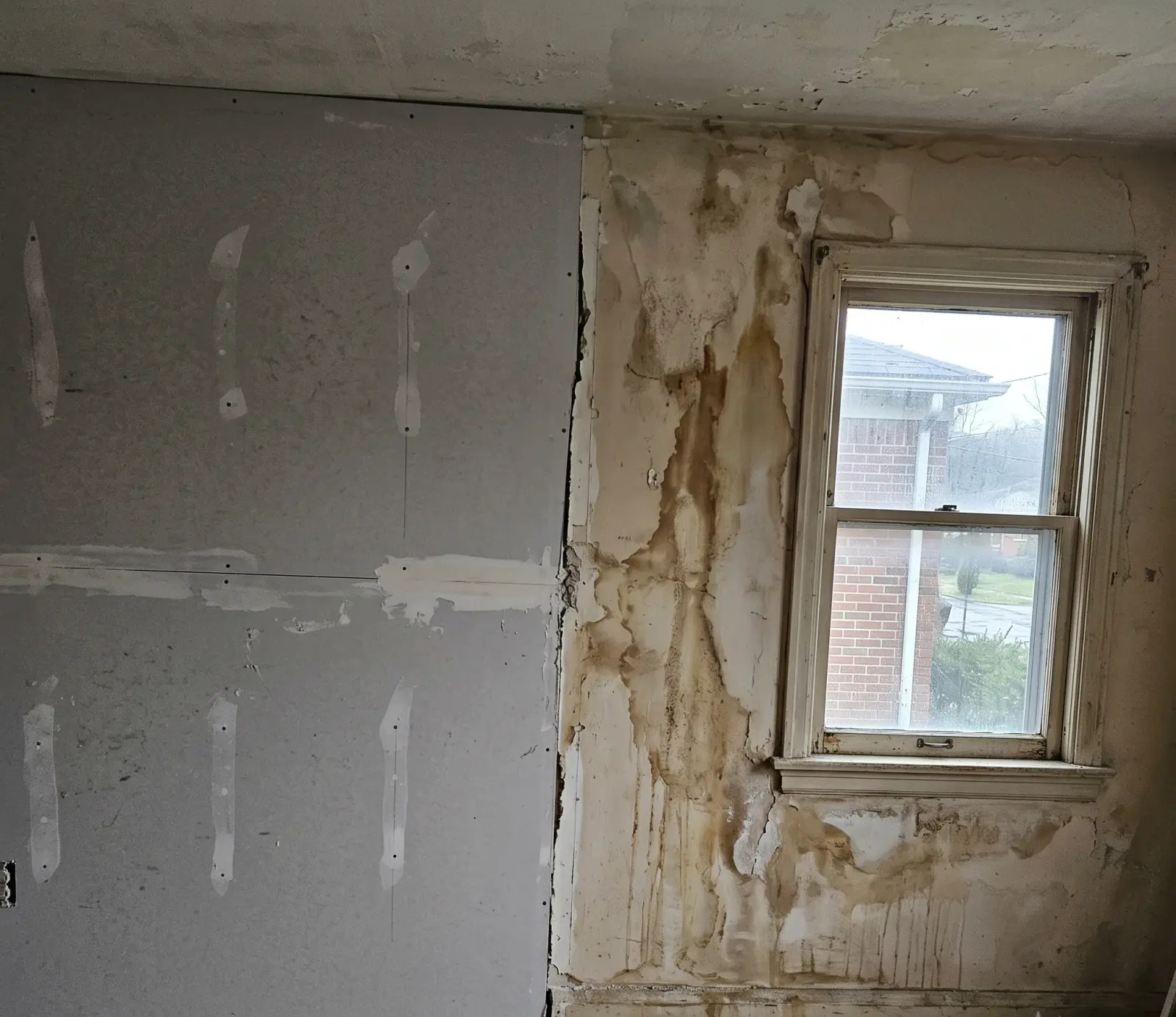
Some water damage never puddles on the floor. It shows up as peeling paint near a windowsill, a warped baseboard in a hallway, or a musty smell that gets stronger when the AC kicks on. In older Nashville homes near Lockeland Springs or East Nashville, a water stain on a ceiling or discoloration creeping up a wall often means moisture has been moving through the framing for weeks. Bubbling drywall and a soft spot in the subfloor are later signs of the same slow problem.
Baseboards That Warp Or Swell
Warped baseboards or swollen wood trim along the floor are among the earliest signs of a slow leak. Wood absorbs moisture and changes shape before drywall shows any damage. If a baseboard near a kitchen or bathroom looks bowed or feels soft when pressed, water has likely been getting in for a while, not just once.
A Musty Smell That Will Not Leave
A musty smell that lingers after cleaning is one of the most common complaints from Nashville homeowners with a crawl space foundation. Humid Middle Tennessee summers make it worse, since damp wood and insulation dry slowly. If the smell is strongest near one corner of a room, that is usually where to start looking.
Stains And Discoloration On Ceilings
A water stain on a ceiling, often a brown or yellow ring, forms as water evaporates and leaves minerals behind. A single stain might be old and dry. A stain that keeps returning after it is painted over, especially in homes near Donelson along the Cumberland River, points to an active source that has not been fixed.
A Ceiling That Sags Or Dips
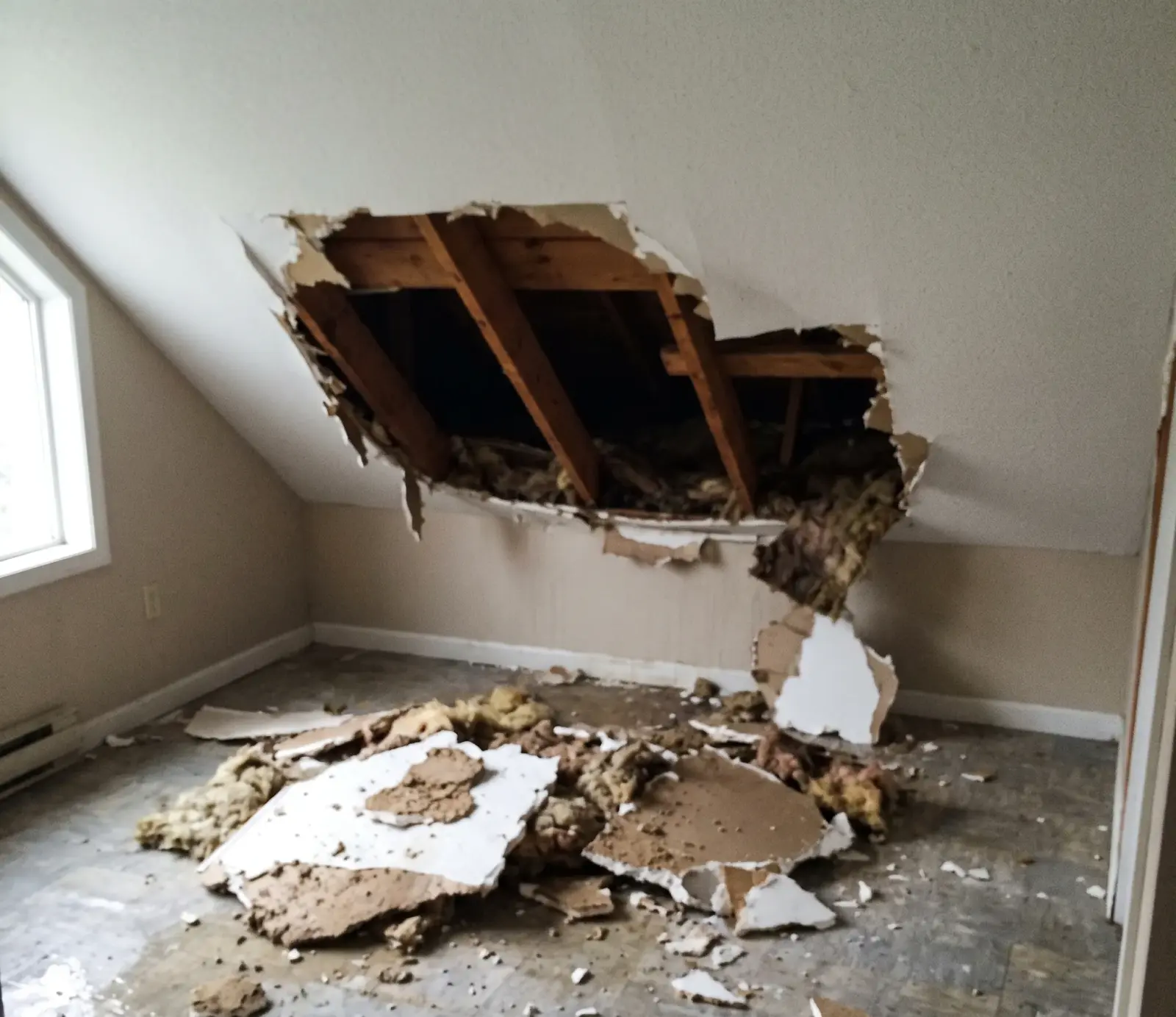
A sagging ceiling means drywall has absorbed enough water to lose its strength. This is farther along than a stain and can mean standing water above, often from a roof leak or an upstairs plumbing line. It is worth checking before the weight of the water causes the ceiling to give way on its own.
Floors That Buckle Or Feel Soft
Buckling floors, cupped hardwood, or a soft spot underfoot all describe wood or subflooring that has taken on moisture from below. In Nashville's mixed foundation types, basement, crawl space, and slab, the moisture path is different each time, but the result on the surface looks the same: flooring that no longer sits flat.
White Crust Or Rust On Surfaces
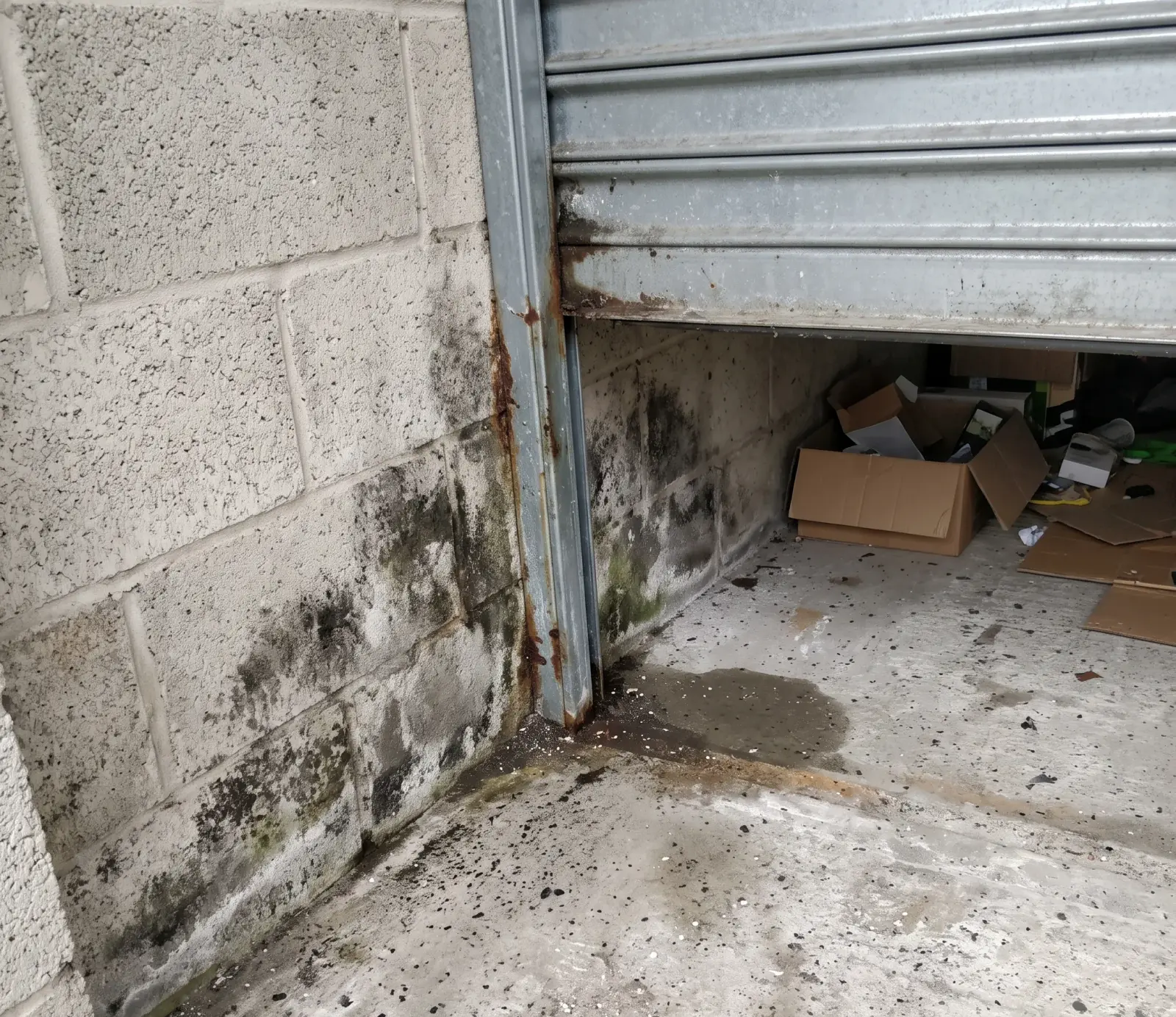
Efflorescence, the white, powdery crust that forms on concrete or brick, shows up when water carries minerals through a foundation wall and leaves them behind as it dries. A rust stain on metal fixtures or fasteners tells a similar story about moisture that has been present far longer than it looks.
Wood Layers Separating
Delamination, where layers of plywood, laminate flooring, or veneer start to separate, happens when water gets between glued layers and breaks the bond. It often shows first at seams or edges, near a doorway or under a window. Once it starts, the material usually needs to be replaced rather than dried out and reused.
A Line Marking Where Water Sat
A tide line, a faint horizontal mark on a wall or cabinet base, shows exactly how high standing water reached before it receded. Homeowners near Metrocenter and other low-lying spots along the Cumberland River sometimes find these marks after heavy rain, even when the water itself is long gone by the time they notice.
Why These Signs Show Up Late
Nashville sits on a mix of clay soil, older crawl space homes, and low areas near creeks like Mill Creek, so water does not always show itself right away. Metro's stormwater department has noted that any property in Davidson County can flood from local streams, whether or not it sits inside a mapped flood zone.
What To Do When You Notice One
Finding one of these signs does not always mean a disaster, but it does mean something is worth checking. Tracking down the source early, whether it is a roof, a pipe, or grading around the foundation, is easier and cheaper than waiting until a wall or floor has to come out entirely.
Dealing with this in your home?
Water shows up in Nashville homes for reasons that trace back to the ground itself. Clay soil under neighborhoods like Sylvan Park and Inglewood swells and cracks with the weather, opening paths for water into crawl spaces. Add flash flooding near Mill Creek and the Cumberland River, and a slab, crawl space or basement all fail differently. This page walks through why, and what a homeowner does next.