Nashville doesn't stay cold for long stretches most winters, but the National Weather Service still logs a normal January low near 30 degrees, and about 67 nights a year dip to freezing or below. That's enough to burst a pipe in an older home near Belmont-Hillsboro or Sylvan Park if nobody's checked the crawl space vents. A few short jobs before the first hard freeze cost less than one thawed-out ceiling.
Which Pipes Fail First
Pipes that fail first are the ones exposed to outside air: lines running along an exterior wall, anything in an unheated garage, and supply lines under a kitchen or bathroom sink that back up to a cold wall. In homes near Germantown and Historic Edgefield built decades before insulation standards improved, these runs often sit closer to the siding than a newer home would allow.
Hose Bibs Need Attention
Outdoor hose bibs are simple to miss because nobody uses them in winter. Disconnect the garden hose completely, since a hose left attached traps water in the fixture and stops it from draining. If the home has a frost-free spigot, that helps, but it still isn't foolproof once temperatures near Percy Priest Lake and the rest of Davidson County drop into the teens overnight.
Crawl Space Vents Matter
Crawl spaces are common across Nashville, from Antioch to Inglewood, and most have foundation vents meant for summer airflow. Closing them before winter keeps cold wind off the plumbing running underneath the house. Foam vent covers sold at most hardware stores work fine. Leave one or two cracked if the crawl space has a history of moisture, so trapped humidity has somewhere to go.
The Unheated Garage Problem
An attached garage with no heat source is one of the more overlooked risks in Nashville neighborhoods like Bellevue and Donelson, where many homes were built with utility lines running through garage walls. If a laundry hookup, water heater, or supply line sits in that space, garage doors should stay shut as much as possible during a hard freeze, and any exposed line deserves foam pipe insulation.
Why A Dripping Tap Helps
Hose bibs on the outside of a Nashville house sit right at the wall, with only a thin pipe run separating them from warm indoor air. Detach any garden hose before a hard freeze arrives, and if the fixture has no built-in shutoff, wrap it. Homes near Sylvan Park and Inglewood with older plumbing feel this first, since the supply line often has no insulation behind the brick.
Interior Doors, Open Cabinets
Warm air from inside the house needs a path to reach pipes hidden behind cabinetry. Opening cabinet doors under kitchen and bathroom sinks during the coldest nights lets household heat reach those supply lines. This costs nothing and takes thirty seconds, which makes it one of the easiest steps homeowners skip simply because it feels unnecessary.
Older Homes, Added Risk
Nashville's housing stock spans many decades, with a large share built well before 2000, according to a NeighborhoodScout summary of census data. Older construction near Woodbine and Eastwood often has less wall insulation around plumbing runs than homes built to more recent standards, so these houses tend to need extra attention before a cold snap arrives.
Know Your Main Shutoff
Crawl space vents matter more than most Nashville homeowners assume. An open vent lets freezing air reach pipes running under the floor, which is common in Bellevue and Donelson homes built on crawl space foundations. Close foundation vents before the cold snap, and keep a small heat source going if the space has flooded before or sits low against Mill Creek.
Insulate What's Exposed
Foam pipe sleeves are inexpensive and take an afternoon to install on any exposed line: under a house on piers, along a crawl space perimeter, or in a garage. Focus on the sections closest to outside walls first. It's a small task that pays off most in homes near Madison and Old Hickory, where crawl spaces run long distances under the structure.
Watch The Extended Forecast
A single cold night rarely causes trouble on its own. It's a multi-day stretch below freezing that lets cold work its way into walls and crawl spaces. Checking the extended forecast a few days ahead gives enough time to disconnect hoses, close vents, and open cabinet doors before temperatures near the Cumberland River drop and stay down.
When Prevention Isn't Enough
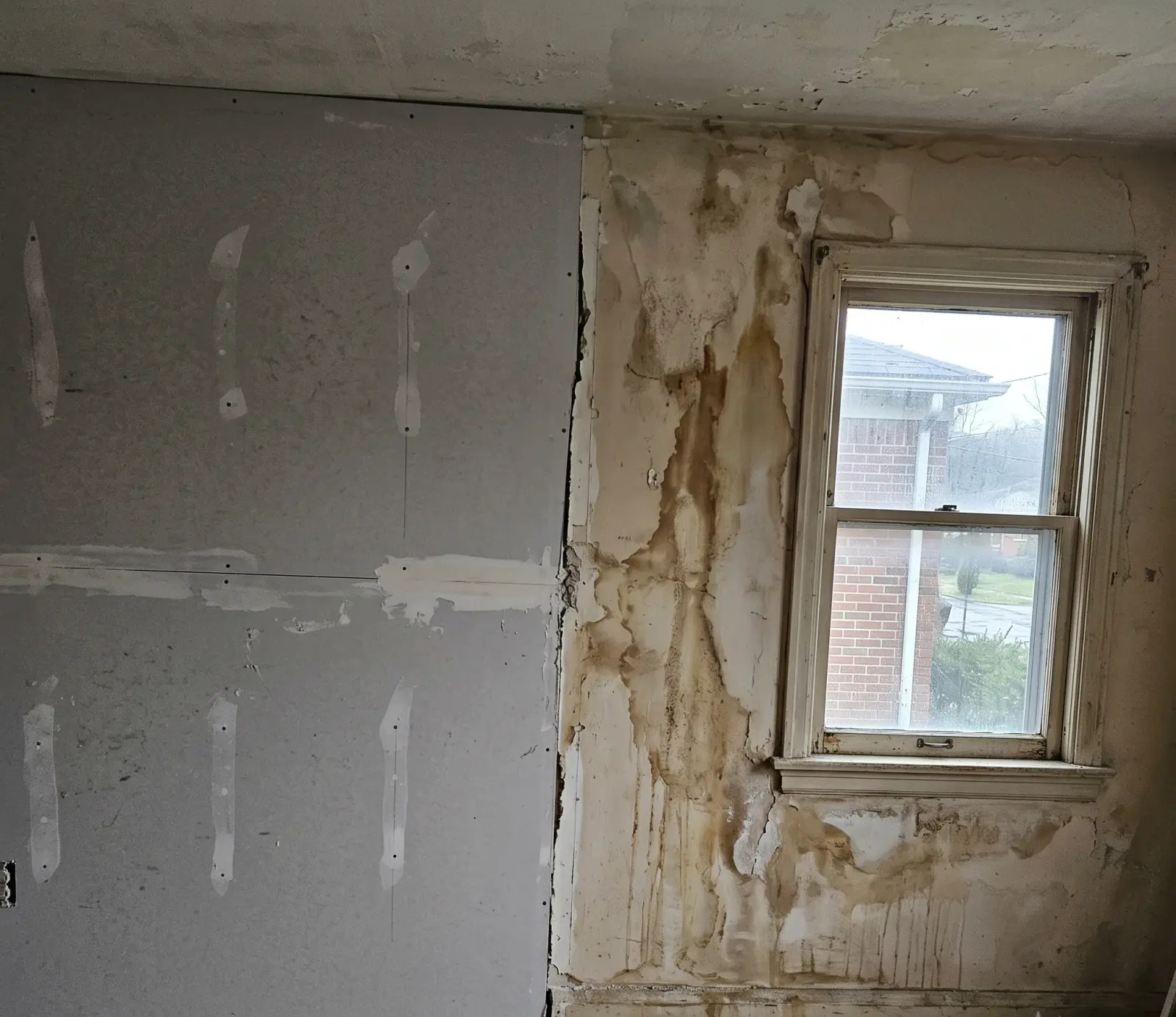
Even careful preparation doesn't guarantee a pipe-free winter, especially in a home with plumbing nobody's inspected in years. If a pipe already burst and water is spreading through the house, this checklist isn't the next step. Getting the water stopped and out fast matters more than figuring out why it happened.
Dealing with this in your home?
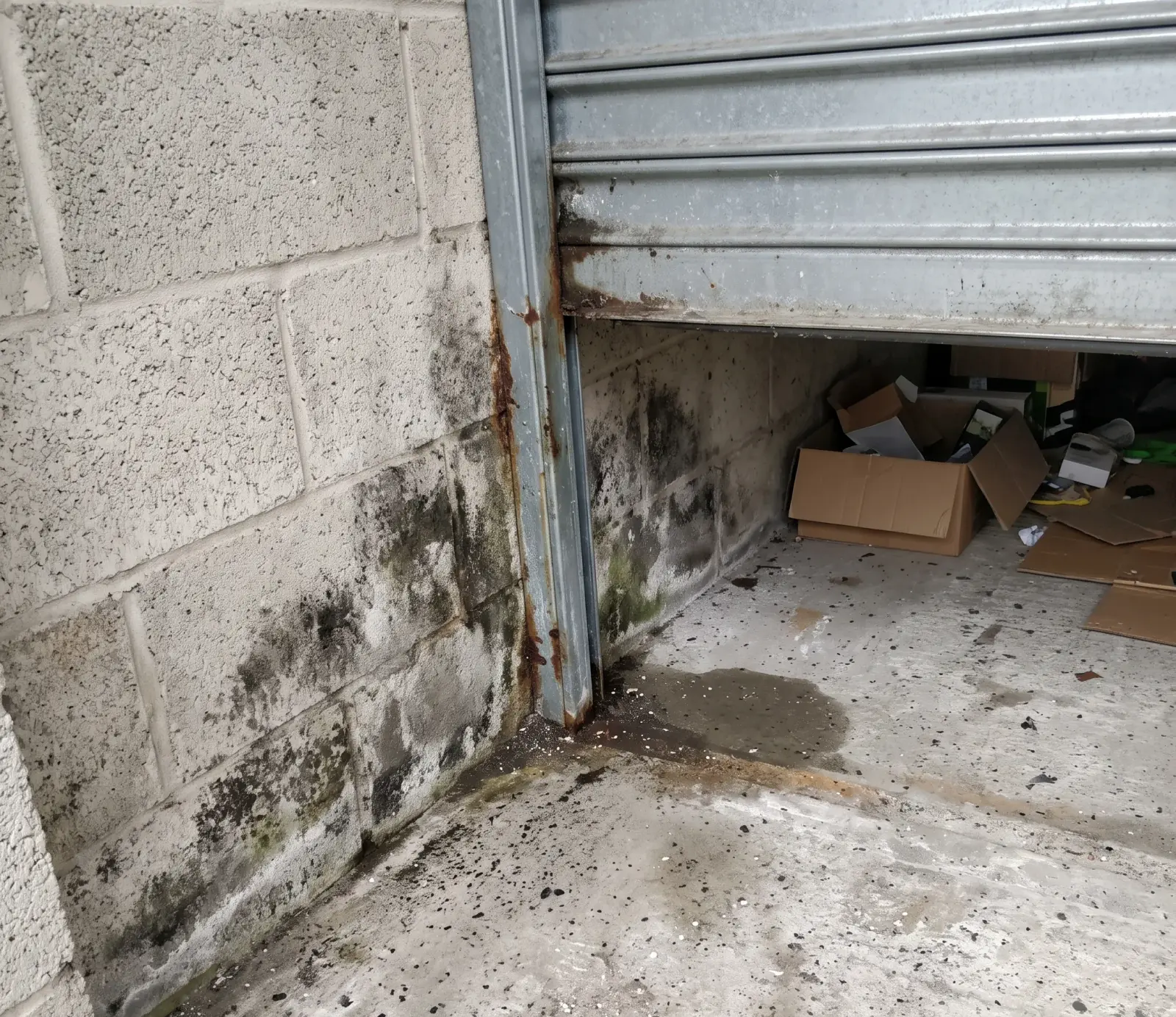
Water shows up in Nashville homes for reasons that trace back to the ground itself. Clay soil under neighborhoods like Sylvan Park and Inglewood swells and cracks with the weather, opening paths for water into crawl spaces. Add flash flooding near Mill Creek and the Cumberland River, and a slab, crawl space or basement all fail differently. This page walks through why, and what a homeowner does next.