A condo in Nashville comes with two insurance policies at once, and after a pipe breaks or water pushes through a shared wall, the split between them decides who pays. The condo association carries a master policy. Each unit owner carries a separate policy. Nashville buildings from The Gulch to Green Hills all draw this same line, though the exact spot the line falls depends on the bylaws.
What The Master Policy Covers
The master policy, held by the condo association, generally pays for damage to common elements. Common elements are the parts everyone shares: the roof, the exterior walls, hallways, shared plumbing lines, and common area amenities. If a pipe in a shared wall in a Midtown building fails and soaks the corridor outside a unit, that piece of the loss usually falls to the association's policy first.
What The Unit Owner Insures
A unit owner's policy is built to cover the unit interior: drywall, flooring, cabinets, and fixtures inside the unit's own walls. It also covers the owner's personal belongings and any upgrades the owner added beyond what the building originally included. In a 12 South or Sylvan Park condo, that means the owner's policy is the one paying to replace a soaked hardwood floor, not the association's.
Where Governing Documents Decide
Common elements and unit interior sound like a clean split, but the actual line is drawn by each building's governing documents, meaning the bylaws and declaration the association board adopted. Some Nashville buildings define the unit as ending at the drywall surface. Others include the drywall, paint, and even fixtures inside the association's responsibility. The only way to know for a specific building is to read that building's documents.
Betterment And Upgrades Explained
Betterment is the term for upgrades a unit owner made beyond the building's original finish, a kitchen remodel or upgraded flooring, for example. Master policies typically cover only the original, builder-grade finish, not the betterment. A unit owner who upgraded a bathroom in an East Nashville or Germantown condo usually needs their own policy, or a betterment endorsement, to cover the difference.
How A Loss Assessment Works
When damage to common elements costs more than the master policy pays out, or the deductible is large, the association board can issue a loss assessment. This charges each unit owner a share of the uncovered cost, separate from monthly dues. A shared-wall pipe failure in a Belmont-Hillsboro building that exceeds the master policy limit can turn into a bill every owner in the building receives.
Two Deductibles, Two Policies
Both the master policy and the unit owner's policy carry their own deductible, and they apply separately. The association pays its deductible before its policy responds to common-element damage. The unit owner pays a separate deductible before their own policy responds to unit interior damage. Some unit owner policies also include loss assessment coverage, which can help pay the owner's share if the board issues one.
Reading Your Building's Bylaws
The declaration and bylaws for a specific building are the actual answer key, more than any general rule. An owner in a Wedgewood-Houston or Berry Hill condo should ask the association board or property manager for the current governing documents and the certificate of insurance for the master policy, then compare that language against their own policy's unit interior definition.
When A Water Loss Crosses Units
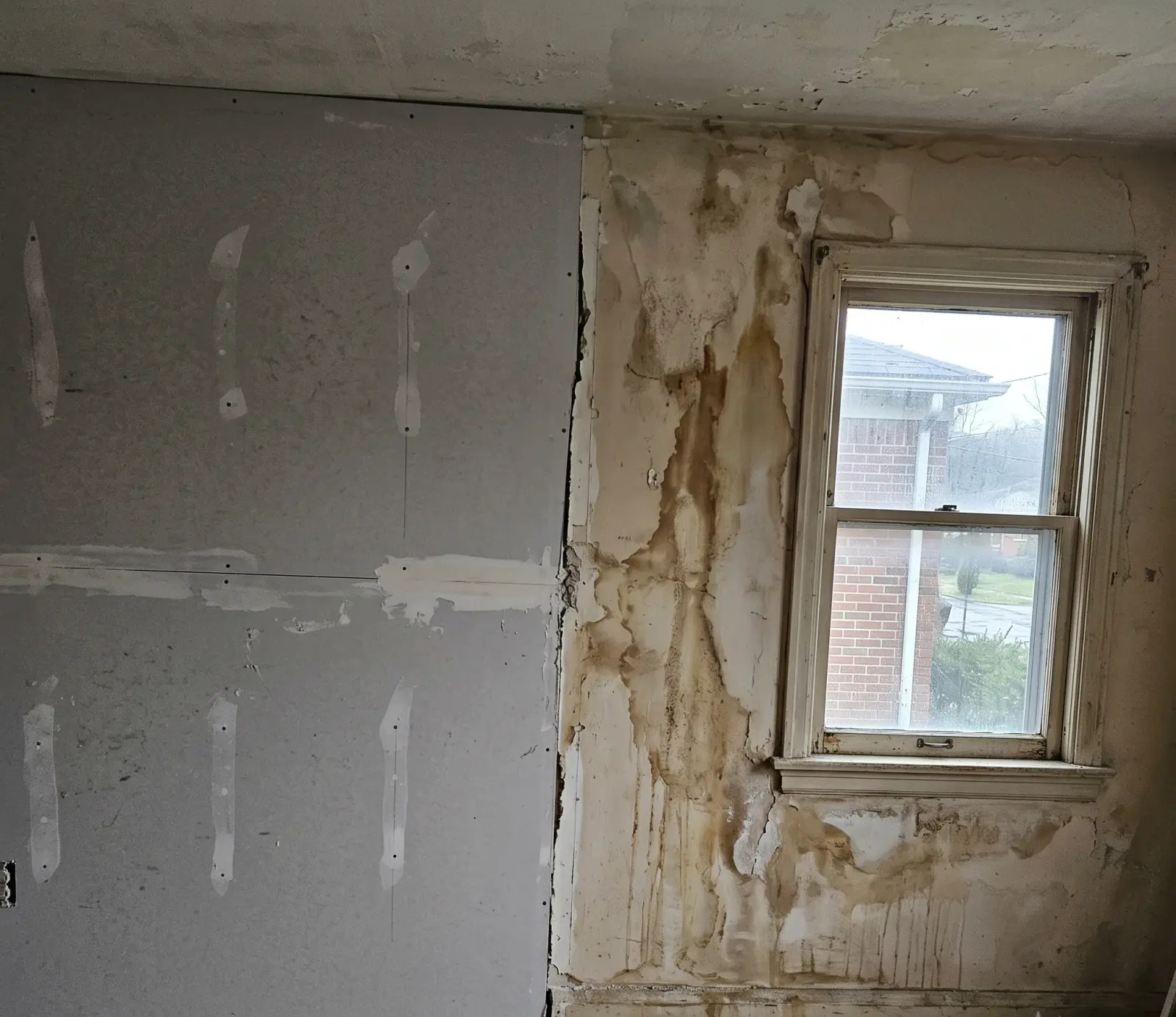
Water does not respect unit lines. A leak starting in one unit near Hillsboro Village can travel through a floor or shared wall into a unit below or beside it. When that happens, the source unit's owner, the affected owner, and the association may each have a policy responding to a different piece of the same event, which is part of why documenting the damage matters before repairs start.
Getting The Drying Started
None of that paperwork changes how fast water damages drywall, flooring, or cabinetry inside a unit. While the association and the owner's insurer sort out which policy covers what, the water itself keeps causing damage. Getting drying started quickly protects the unit interior regardless of which policy eventually pays for it.
Documenting Damage For Both Sides
Photos and a written record of what got wet, when, and where the water came from help both the association's insurer and the unit owner's insurer sort out their share. This is useful in any Nashville condo, from a high-rise in SoBro to a smaller building in Inglewood, since both insurers will likely ask for the same kind of documentation before paying anything.
Talking To The Association Board
In Nashville condo buildings, the association board's master policy generally covers the building structure and common elements — the roof, hallways, and shared plumbing lines running through walls. Unit owner policies usually pick up the interior: flooring, cabinets, and fixtures inside the unit. Bylaws and other governing documents spell out the exact split, including any loss assessment or betterment clause. When a pipe fails, check both the association's coverage and your own policy before assuming which one pays.
Dealing with this in your home?
Water shows up in Nashville homes for reasons that trace back to the ground itself. Clay soil under neighborhoods like Sylvan Park and Inglewood swells and cracks with the weather, opening paths for water into crawl spaces. Add flash flooding near Mill Creek and the Cumberland River, and a slab, crawl space or basement all fail differently. This page walks through why, and what a homeowner does next.